Zero-Waste Living: Refillable Personal Care Products Beginners Guide
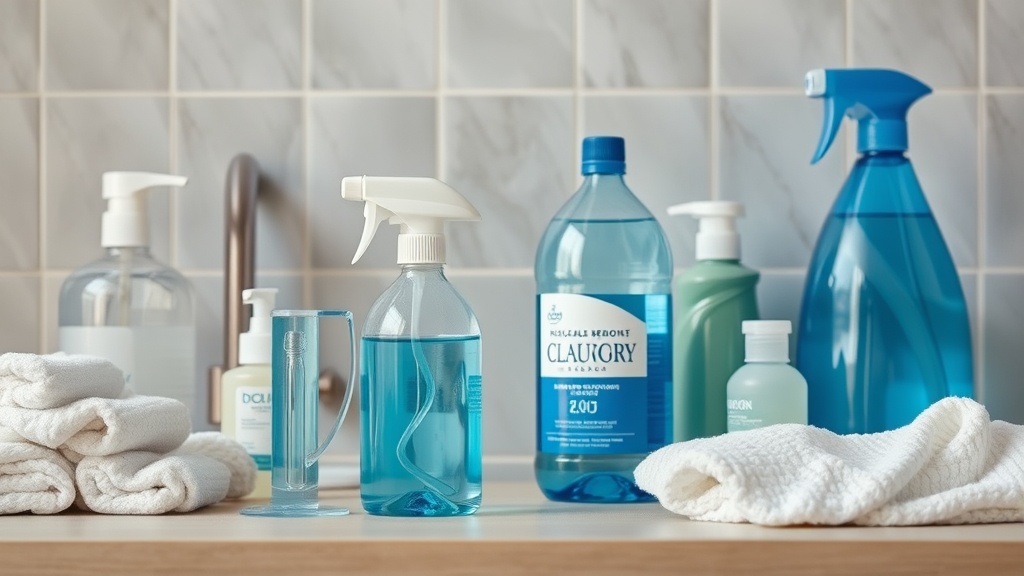
If you’re trying to cut down on single-use plastic and household product waste, personal care products are one of the toughest areas to tackle. Bottles and tubes for shampoo, conditioner, body wash, lotion, and deodorant add up fast—and most are designed for one-time use, contributing massively to plastic pollution. Switching to refillable personal care products promises a way to reduce waste, but it’s not always straightforward. This guide breaks down what refillable personal care products really are, how they work, when to use them, and what to watch out for, so you can make thoughtful choices that genuinely cut down on waste and save money.
See also: Personal Care Brand Showdown: Refillable Packaging vs. Conventional
What Are Refillable Personal Care Products?
Phone cases · 15% off first order
Galaxy Case Co.Built for Galaxy. Ready for impact. Code FIRST15GALRefillable personal care products are items designed to be reused multiple times by refilling them with concentrated formulas or bulk refills instead of buying entirely new bottles or packaging. Common categories include shampoo, conditioner, body wash, face wash, lotion, deodorant, toothpaste, and even some cosmetics.
Refillable products come in a few main formats:
- Reusable bottles or containers: Designed to be sturdy and washable, meant to last years.
- Cartridge systems: Replace a small internal cartridge or pod instead of the whole bottle.
- Concentrated formulas: Sold as powders, tablets, or highly concentrated liquids to be mixed with water in your own container.
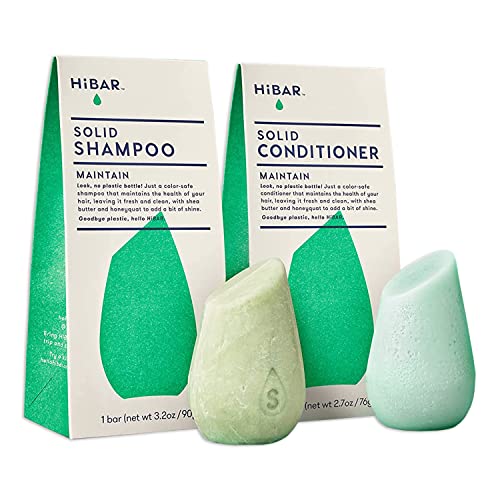
- Bar or solid form products: Shampoo bars, lotion bars, and deodorant sticks that avoid plastic entirely by eliminating liquid packaging.
How Do Refillable Systems Work?
Refillable systems generally aim to reduce packaging waste by allowing consumers to reuse the same container multiple times. Here’s how typical refill scenarios function:
- Bottle + Bulk Refill: You buy a reusable container the first time, then purchase refills in larger bulk pouches or bottles, usually with minimal or recyclable packaging. This reduces packaging used per unit of product.
- Concentrates + DIY Mixing: Concentrated liquid or solid tablets are shipped in very small, low-waste packaging. You add water at home in your own bottle. This cuts transport emissions and waste since water isn’t shipped in plastic.
- Cartridge Swaps: Instead of tossing out a whole bottle, you replace just the cartridge/filter inside. This can reduce plastic waste but depends on the cartridge’s packaging and reuse rate.
- Solid Bars: These avoid liquid packaging entirely by being in solid form. No refill needed, but containers for travel or storage are reusable.
When Should You Use Refillable Personal Care Products?
Phone cases · 15% off first order
Phone Case GiftFun finds for every vibe. Code FIRST15GIFTRefillable products are especially suitable if:
- You have a stable routine and know what products you use regularly.
- You want a low-waste option but still value convenience and product hygiene.
- You like the idea of bulk buying or DIY mixing to save money over time.
- You’re willing to handle some upfront effort and container cleaning.
- You want better ingredient transparency and reduced chemical exposure by opting for simple or natural formulations.
They’re less ideal if you:
- Travel frequently and need single-use options.
- Prefer one product/brand and worry about compatible refills.
- Use highly specialized products that come only in single-dose packaging.
Common Pitfalls and How to Avoid Them
Switching to refillable personal care products is not always perfectly zero-waste or cost-saving. Many people encounter these common pitfalls:
- Refill Packaging Waste: Some refill pouches still use multi-layer plastics or foil that aren’t recyclable in curbside bins. Research third-party refill materials carefully and seek compostable or easy-recycling options.
- Upfront Cost: Buying reusable bottles or cartridges can be pricier initially. Consider the total cost over multiple refill cycles to understand savings.
- Ingredient Transparency: Pre-made refills might contain additives or preservatives that aren’t always clearly listed. Buy from companies with clear, full ingredient disclosure.
- Shelf Life and Hygiene: Reusing containers without proper cleaning can lead to microbial growth or product degradation. Learn best cleaning practices.
- Concentration Confusion: Concentrated formulas mean you must correctly measure and mix to avoid diluted or overly strong products, affecting performance and cost-effectiveness.
Refillable vs Single-Use Personal Care: Cost, Waste, and Convenience Comparison
Phone cases · 15% off first order
Phone Cases For AllCases that match your energy. Code FIRST15ALL| Feature | Single-Use Bottles | Refillable Personal Care Products | Notes |
|---|---|---|---|
| Packaging Waste | High (full bottle discarded each use) | Low (reuse bottle, buy minimal refill pkg) | Depends on packaging recyclability of refills |
| Upfront Cost | Low initial cost | Moderate to high (container + refills) | Break-even after multiple refill uses |
| Ongoing Cost | Regular price for full bottles | Lower cost with bulk/refill purchasing | Concentrates especially cost-effective |
| Ingredient Transparency | Varies, often opaque | Can be better but varies by brand | Look for 3rd party transparency and honest labeling |
| Product Variety | Extensive (many brands, scents) | Limited; fewer refill compatible options | Variety grows but may not match every favorite product |
| Convenience | Very convenient; no mixing or transfers | Requires effort for refill, cleaning | Some prefer DIY, others find it a hassle |
| Travel Friendliness | Great, single use sealed packages | Requires secondary containers or special bars | Solid bars are ideal for travel |
| Environmental Impact | High plastic + CO2 per use | Low if refills well designed and used consistently | Total impact depends heavily on consumer habits |
How to Start with Refillable Personal Care Products: Step-by-Step Guide
- Audit Your Current Usage: Check what personal care products you use daily. Identify which ones contribute most packaging waste, such as shampoo, conditioner, and body wash bottles.
- Research Refillable Options: Look for refillable lines with transparent ingredients, recyclable or compostable refill packaging, and products suited to your needs. Consider bars or concentrates where practical.
- Buy a Durable Reusable Container: Invest in sturdy bottles or jars designed to last years and are easy to clean.
- Switch Gradually: Change one category at a time—start with shampoo or lotion to avoid overwhelm. Order your first reusable container and refill.
- Learn Proper Cleaning: Wash your containers well with hot water and mild soap between refills to prevent contamination and extend container life.
- Test Concentrates Carefully: Follow mixing instructions exactly when using tablets or powders to get the best results and cost savings.
- Store Smartly: Keep refills and concentrates in a cool, dry place to maximize shelf life.
- Recycle Packaging Properly: Separate and recycle or compost refill pouches, cartridges, or outer packaging according to local guidelines.
- Evaluate Over Time: Assess how the refills save waste and cost compared to buying new bottles constantly and tweak your approach as needed.
Top Picks

Watchdog picks
- Field Company Small Cast Iron Skillet – 8.38-Inch Pre-Seasoned Pan for 1–2 ServiCheck on Amazon → ·
- Backcountry Iron 12 Inch Round Large Pre-Seasoned Cast Iron SkilletCheck on Amazon → ·
- B001EQ4G0OCheck on Amazon → ·
- B01N7V39QJCheck on Amazon → ·
- B002BWQ6XKCheck on Amazon → ·
- B001ET76H8Check on Amazon → ·
- Astra Platinum Double Edge Safety Razor Blades,100 Blades (20 x 5)Check on Amazon → ·
- B01N5Q9Q6JCheck on Amazon → ·