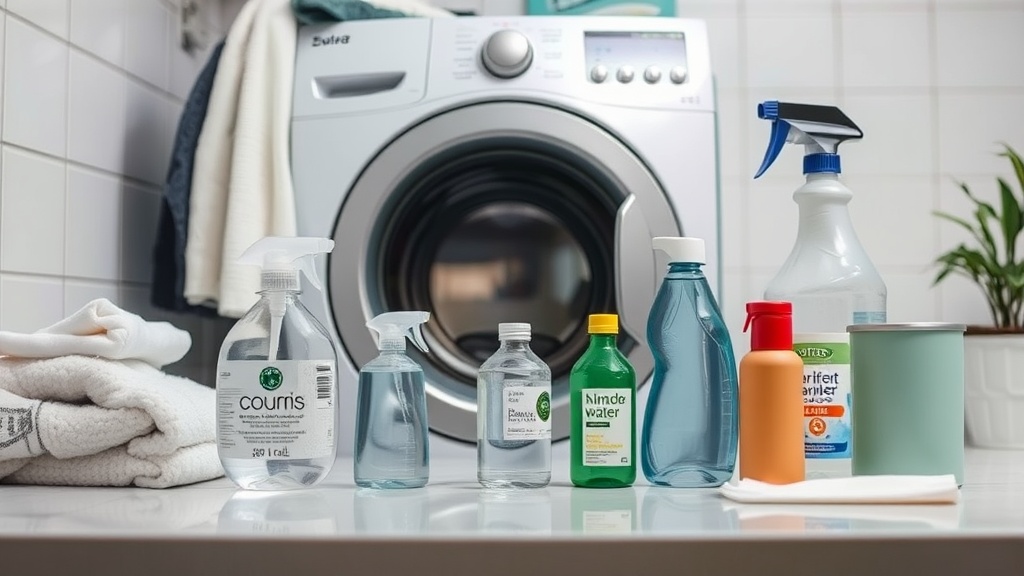
Zero-waste cleaning with refillable products can seem straightforward: just buy a bottle, refill it, and eliminate waste. But the reality is more nuanced—some refill systems truly reduce plastic and chemicals waste, while others might offer only minimal overall impact or even encourage over-packaging. If you’re trying to avoid single-use plastics and excess household-product waste, knowing which refillable options make the most environmental and economic sense is key.
What Zero-Waste Cleaning with Refillables Means
Zero-waste cleaning aims to eliminate or drastically reduce the throwaway waste generated by conventional cleaning products. This typically involves shifting away from:
- Single-use plastic bottles and trigger sprays.
- Single-use wipes and non-recyclable packaging.
- Products with excess water or non-concentrated formulas that increase carbon footprint due to shipping volume.
Refillable cleaning products offer a way to reuse containers, reduce packaging waste, and often buy more concentrated solutions that cut transportation and plastic use. However, the zero-waste promise depends heavily on:
- The refill packaging materials and volume.
- How concentrated the cleaning product formula is.
- Whether the refill unit is truly reusable or designed to be discarded anyway.
See also: Zero-Waste Cleaning Hacks Using Refillable Household Essentials
How Refillable Cleaning Products Work
Phone cases · 15% off first order
Galaxy Case Co.Built for Galaxy. Ready for impact. Code FIRST15GALRefill systems come in several shapes, each with different waste and cost implications:
1. Concentrated Cleaning Solutions (Dilutable Refills)
These are powerful, concentrated formulas delivered in small, often flexible or rigid containers. You add water at home in a reusable spray bottle or bucket. These greatly reduce plastic and transportation impacts because the product volume is small and lightweight.
2. Compatible Cartridges or Pods for Reusable Bottles
Here, you buy pre-measured refill cartridges or pods designed to fit a specific reusable spray bottle. You snap or drop in the cartridge, which dissolves or contains concentrated product. The bottle is kept indefinitely, and you only replace cartridges.
3. Brand-Name Bottles with Bulk or Third-Party Refills
Some brands sell refills in larger bottles or pouches intended to pour back into the original spray bottle. These may be more water-laden. Third-party refill options might be cheaper but vary in quality and transparency.
4. Refillable Delivery or Store Refill Stations
You bring your own containers to a store or participate in a delivery system that refills your bottles. This system depends more on scale and local infrastructure.
When to Use Which Refillable Approach
Choosing the best approach depends on your priorities and local options:
- For minimal plastic waste and transportation emissions: Use highly concentrated dilutable refills or pods/cartridges.
- For convenience and moderate waste reduction: Bulk refills poured into brand-name bottles work well.
- For maximum reuse and local support: Store refill stations or personal delivery refills excel but need local availability.
Key Factors to Evaluate Refillable Cleaning Products
Phone cases · 15% off first order
Phone Case GiftFun finds for every vibe. Code FIRST15GIFT1. Concentration and Formula Efficiency
Concentrated refills reduce the weight and volume shipped, thus lowering carbon emissions and cost. For example, a 30ml concentrated cleaning pouch diluted to 1 liter dramatically cuts packaging waste compared to buying a full 1-liter bottle.
2. Packaging Material and Reusability
Is the refill package recyclable, compostable, or biodegradable? Is the main bottle durable enough to last years? Some “refill” pouches are made of mixed plastics that are hard to recycle, so verify local recycling options.
3. Ingredient Transparency and Safety
Check if the brand or refill supplier provides full ingredient lists. Transparency helps avoid unwanted chemicals or allergens and supports conscious purchasing.
4. Actual Waste Savings
Some refill claims are misleading—like “refillable pods” that require new plastic casing each time or bulky concentrate containers shipped inside large plastic bottles. Focus on true waste reduction over marketing claims.
5. Cost Comparison
Refillables aren’t always cheaper. Calculate cost per use and factor in bottle reusability and your water costs if diluting concentrates at home.
Comparison Table: Refillable Cleaning Product Types
| Feature | Concentrated Dilutable Refills | Compatible Cartridges/Pods | Bulk/Third-Party Refills | Refill Stations/Delivery |
|---|---|---|---|---|
| Plastic Use | Very Low (small pack) | Low (small cartridge) | Moderate (large bottle/pouch) | Low (personal bottle reuse) |
| Formula Concentration | High | High | Variable (often dilute) | Variable |
| Packaging Recyclability | Often flexible plastic, varies | Often hard plastic pods | Depends on packaging | User container reuse |
| Convenience | Requires measuring/dilution | Easy, quick cartridge swap | Simple pouring, some bulkier | May require store trip/setup |
| Cost per Use | Usually lowest | Moderate | Variable | Often moderate to high |
| Ingredient Transparency | Often good | Depends on brand | Varies by source | High if local and trusted |
| Waste Reduction Impact | High | High | Moderate | High if local and reused |
| Typical Use Case | Household surface cleaners | Spray bottle products | Refill known bottles | Local refill enthusiasts |
Common Pitfalls to Avoid in Zero-Waste Cleaning
Phone cases · 15% off first order
Phone Cases For AllCases that match your energy. Code FIRST15ALL- Buying plastic “refill” pouches that can’t be recycled locally: Packaging that looks minimal but ends in landfill undermines zero-waste goals.
- Ignoring formula concentration: Bulk refills can be wasteful if heavily diluted already, leading to unnecessary shipping emissions and packaging volume.
- Not reusing bottles long-term: If you switch bottles frequently or damage them, the refill system’s benefits shrink.
- Purchasing without ingredient transparency: Unknown formulations may contain problematic ingredients.
- Overstocking or wasting unused concentrate: Especially if dilution instructions aren’t clear, or the concentrate expires quickly.
Practical Tips for Successful Zero-Waste Cleaning with Refillables
- Choose durable, well-made refillable bottles designed for reuse.
- Opt for high-concentrate refills whenever available.
- Verify local recycling availability for refill packaging.
- Track dilution ratios carefully to avoid wasting concentrate or overusing product.
- Prioritize refill systems that share full ingredient transparency.
- Consider making your own diluted cleaners using refills and water to control waste and cost.
- Store bottles carefully to avoid damage or premature bottle replacement.
Top Picks


Watchdog picks
- B00063RWT8Check on Amazon → ·
- Amazon Basics Pre-Seasoned Cast Iron Skillet, Oven Safe, Even Heating, Heat DistCheck on Amazon → ·
- B00CAZAU62Check on Amazon → ·
- B09DV14ZZLCheck on Amazon → ·
- B00B5JOC5CCheck on Amazon → ·
- B07ZPSFVX5Check on Amazon → ·
- WEP 926LED V3 Soldering Station 130W MAX Soldering Iron Kit with Solder Wire, 5 Check on Amazon → ·
- VEOZAH 45 MG TABCheck on Amazon → ·
Products in this guide
- Dawn Ultra Dish Soap, Original Scent, 75 fl oz (2-Pack)Check on Amazon →
- ecodot 552 Pigment Ink Refill Ink Bottle Replacement for Epson 552 Ink Used for EcoTank Photo ET-8500, ET-8550 Printer (1 Photo Black, 1 Black, 1 Cyan, 1 Magenta, 1 Yellow, 1 Grey, 6-Pack)Check on Amazon →
- Stargazer 10.5-Inch Cast Iron Skillet | Made in USA, Seasoned, Premium Frying Pan for Grilling, Searing, Baking & More – Durable Cast Iron with Smooth Cooking SurfaceCheck on Amazon →
- Soldering Iron Kit, 60W LED Display Digital Solder Pen, 5 Replaceable Tips, 21-in-1 Fast Heating with Solder Wire, Stand, Desoldering Pump, for Electronics Repair Hobby DIY 120V US Plug from PlusivoCheck on Amazon →