
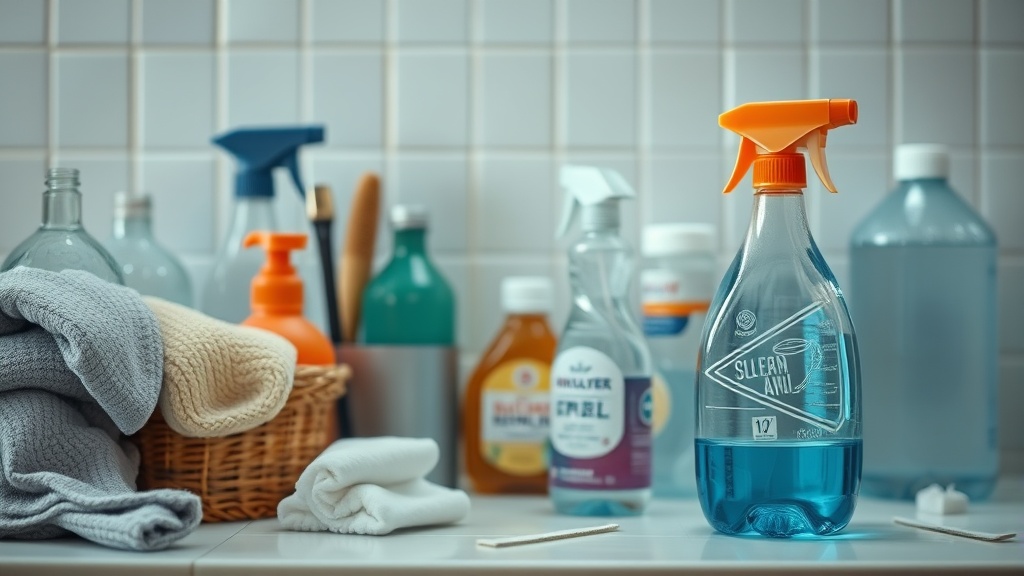
Zero-Waste Cleaning Hacks Using Refillable Household Essentials
If you’re trying to cut down on single-use plastics and household-product waste but feel overwhelmed by which refillable options actually make a difference, you’re not alone. Many people buy “refillable” products without understanding the concentration, cost benefits, and true environmental impact behind different systems. This article breaks down practical, zero-waste cleaning hacks centered on refillable household essentials — from soaps and detergents to all-purpose cleaners — so you can make informed, cost-effective choices that genuinely reduce waste.
What Are Refillable Household Essentials?
Refillable household essentials refer to cleaning products that come in reusable packaging designed to be replenished instead of discarded after one use. The most common examples include:
- Liquid dish soap
- Laundry detergent
- All-purpose cleaner
- Hand soap
- Glass cleaner
Refill systems vary widely:
- Concentrates requiring dilution
- Brand-name cartridges with proprietary packaging
- Third-party refill pouches or pods
- Bulk refill stations
How Refillable Systems Help Cut Waste and Save Money
Phone cases · 15% off first order
Galaxy Case Co.Built for Galaxy. Ready for impact. Code FIRST15GALReduction in Single-Use Plastic
Standard household cleaning products typically come in single-use plastic bottles or jugs, which contribute significantly to plastic waste. Refillable systems minimize this by:
- Using durable bottles designed to be reused repeatedly.
- Reducing packaging weight and volume with concentrate refills or pouches.
- Cutting down on manufacturing energy and transport emissions via smaller, lighter refills.
Concentration Ratios and Waste Minimization
One key factor in refillable systems is how concentrated the cleaning product is. Concentrates require dilution with water by the user, which enables smaller refill packages — often just a few ounces — to replace full-size bottles. This drastically reduces packaging and shipping waste.
For example, a highly concentrated laundry detergent that requires dilution at a 10:1 water-to-detergent ratio means a small 500 ml bottle replaces several liters of traditional detergent. The smaller bottle means fewer emissions and less plastic use per wash.
Cost Savings of Refills vs Bottles
Refill formats that use concentrates or pouches are generally cheaper per unit of cleaning power, particularly when compatible third-party refills are an option. Here’s a rough math comparison illustrating refill cost efficiency:
| Format | Size | Approx. Cost per Use | Packaging Waste | Notes |
|---|---|---|---|---|
| Single-use bottle | 750 ml | $0.50 | High (bottle discarded) | Convenient but high waste |
| Brand-name cartridge | 300 ml | $0.35 | Medium (cartridge replaced) | Proprietary, limited reuse |
| Third-party concentrate | 250 ml (diluted to 2.5 L) | $0.20 | Low (pouch or bottle) | Requires user dilution |
| Bulk refill station | Varies | $0.15-$0.25 | Minimal (customer bottles reused) | Best waste reduction, needs refill access |
Ingredient Transparency and Safety
Another important consideration is ingredient transparency. Many refill concentrates list ingredients plainly, sometimes with fewer additives and preservatives than pre-diluted bottles. This transparency helps you avoid unnecessary chemicals and choose products better suited for sensitive skin or pets.
When Does “Refillable” Truly Save Waste?
Not all “refillable” claims translate into meaningful waste reduction. Here’s when refillable systems provide the most benefit:
- When the primary packaging (usually thick plastic bottles) is durable and designed for many refills, reducing the number of bottles produced and discarded.
- When the refill package itself uses substantially less plastic or alternative packaging, like pouches or cardboard.
- When the refill uses concentrated formulas, reducing shipping weight and frequency.
- When refill centers or bulk dispensing stations reduce or eliminate packaging altogether.
Beware of “refillable” bottles where the refill pack is a rigid plastic bottle nearly as big as the initial packaging — this cuts little waste and adds complexity.
Zero-Waste Cleaning Hacks: How to Get Started
Phone cases · 15% off first order
Phone Case GiftFun finds for every vibe. Code FIRST15GIFTStep 1: Choose Durable Reusable Bottles
Start by buying high-quality reusable spray bottles or pump dispensers designed for many refills. Glass or thick HDPE plastic bottles work well. Label and keep all your bottles to avoid unnecessary new purchases.
Step 2: Use Concentrated Refills
Whenever possible, buy concentrated cleaning solutions that require dilution. Whether for dish soap, laundry detergent, or all-purpose cleaners, concentrates reduce volume and waste.
- Use a marked bottle to measure dilution ratios accurately.
- Dilute with tap water to save water with careful measuring.
Step 3: Explore Third-Party or Bulk Refills
If you find brand-name cartridge refills costly or opaque on ingredients, look for third-party refill pouches with transparent ingredient lists. Alternatively, seek bulk refill stations offered at many zero-waste stores or co-ops so you can refill your bottles directly.
Step 4: Try Multi-Purpose Cleaners
Minimize the number of different cleaning products by using truly multi-purpose cleaners that can handle kitchen, bathroom, glass, and floor jobs. This reduces the number of bottles and refill types needed.
Step 5: DIY Simple Essentials
For certain household essentials like glass cleaners or all-purpose sprays, DIY recipes using refillable bottles can be an effective zero-waste hack. Common simple recipes include:
- White vinegar + water (for glass and all-purpose)
- Castile soap + water + essential oils (for gentle cleaning)
Make sure to label homemade solutions and never mix incompatible ingredients.
What to Watch Out For: Common Pitfalls
- Refill packaging may still be plastic: Some concentrates come in flexible pouches, but others still use plastic bottles or pouches that aren’t widely recyclable. Look for recyclable or compostable packaging if possible.
- Refill vs disposal emissions: If refills require shipping from distant locations, their environmental footprint might undercut some benefits.
- Dilution errors: Too little concentrate may reduce cleaning effectiveness, leading to increased product use and waste.
- Switch costs: Upfront costs for reusable bottles or buying bulk may be off-putting, though typically recouped over time.
- Ingredient considerations: Some concentrates use stronger chemicals or preservatives; check transparency to avoid unwanted toxins.
Comparison Table: Refillable Cleaning Essentials Formats
Phone cases · 15% off first order
Phone Cases For AllCases that match your energy. Code FIRST15ALL| Attribute | Single-use Bottles | Brand-name Cartridges | Concentrated Refills (Pouches) | Bulk Refill Stations |
|---|---|---|---|---|
| Packaging Waste | High | Medium | Low | Minimal |
| Cost per Use | Highest | Medium | Lower | Lowest |
| Ingredient Transparency | Low to Medium | Low | Medium to High | Depends on supplier |
| Convenience | Very high | High | Medium (requires dilution) | Variable (need refill access) |
| Equipment Needed | None | Proprietary dispenser | Reusable bottle + measuring tool | Reusable bottle |
| Environmental Impact | Highest overall | Medium | Lower | Lowest |
| Best For | Occasional users | Dedicated brand users | Zero-waste minded households | Committed zero-waste adopters |
Final Thoughts
Transitioning to zero-waste cleaning is both feasible and rewarding, but it requires some upfront planning and learning. Focus on durable bottles, concentrated refills, ingredient transparency, and leveraging local bulk refill offers when possible. By carefully choosing refill products that genuinely reduce single-use plastic and packaging waste, your household can take meaningful steps toward sustainability without sacrificing cleaning effectiveness or breaking the bank.
Top Picks



Watchdog picks
- VEOZAH 45 MG TABCheck on Amazon → ·
- B01N4QAK9OCheck on Amazon → ·
- Amazon Basics Pre-Seasoned Cast Iron Skillet, Oven Safe, Even Heating, Heat DistCheck on Amazon → ·
- B00NQ1CLTICheck on Amazon → ·
- Lodge 12” Cast Iron Skillet - Chef Collection - Perfect Sear - Ergonomic HandleCheck on Amazon → ·
- Toner Kingdom Compatible Toner-Cartridge Replacement for Canon 054H 054 High YieCheck on Amazon → ·
- Soldering Kit, 60W Soldering Iron, 110V Welding Kit with Ceramic Heater, PortablCheck on Amazon → ·
- Soldering Iron Kit, 80W 110V Fast Heat up in 10s LCD Digital Adjustable TemperatCheck on Amazon → ·