
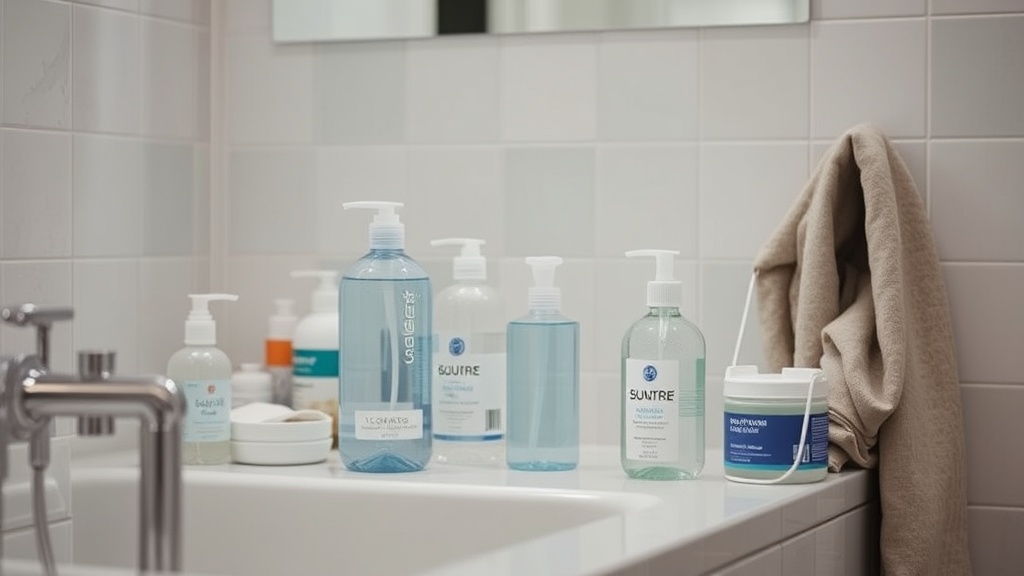
Zero-Waste Bathroom: Essential Refillable Personal Care Products
Many households trying to reduce single-use plastic and household waste get stuck at the bathroom sink or shower, where popular personal care items come wrapped in plastic bottles or disposable pods. The challenge: how to replace shampoo, conditioner, body wash, toothpaste, and other daily essentials with refillable versions without compromising price, convenience, or ingredient transparency. This article unpack some common hurdles and practical solutions for assembling a zero-waste bathroom with genuine refill savings.
What Are Refillable Personal Care Products?
Refillable personal care products are those designed to reduce plastic waste by allowing the user to replenish the product container multiple times instead of discarding it after single use. This general category can include:
- Concentrated liquids or powders dissolved in water to reduce volume and packaging
- Bulk refills provided in larger containers or sachets
- Cartridge or pouch systems designed to fit specific dispensers
- Bar products (e.g., shampoo bars) paired with reusable containers
By focusing on refillability, the goal is to minimize single-use plastic bottles, reduce product transportation footprint, and often improve control over ingredients and packaging materials.
See also: Zero-Waste Living: Refillable Personal Care Products Beginners Guide
How Refillable Personal Care Products Work
Phone cases · 15% off first order
Galaxy Case Co.Built for Galaxy. Ready for impact. Code FIRST15GALMost refillable systems fall into a few structural models:
-
Concentrate + Reusable Bottle: You buy a concentrated version of the shampoo, body wash, or toothpaste—often as a powder, liquid concentrate, or solid bar—to dilute or dispense into a sturdy container designed for multiple uses. This method often yields the best environmental outcome because you reduce product weight and volume shipped.
-
Third-Party Bulk Refill: Customers purchase large refill containers or sachets (often plastic, sometimes biodegradable) from retailers or refill stations and pour or pump product into their existing bottle or dispenser. Some systems allow for direct refill, others require manual transfer.
-
Cartridge/Pouch Cartridge Systems: These proprietary cartridges snap into a dedicated dispenser or cartridge holder. The dispenser is reused indefinitely, while the cartridge is replaced. Some cartridges are recyclable or biodegradable, but others may still create plastic waste.
-
Bar-Based Products: Shampoo bars, conditioner bars, and solid deodorants are inherently low-waste and can be paired with reusable tins or pouches.
When to Use Which Refillable Products
Your choice should consider your household’s ease of use, budget, environmental impact, and ingredient preferences.
| Product Form | Typical Packaging Reduction | Convenience | Cost Savings Potential | Ingredient Transparency | Waste Reduced |
|---|---|---|---|---|---|
| Concentrated liquids/powders | Up to 70–90% less packaging | Medium (mix or dilute) | High | Often good (ingredients listed clearly) | Plastic bottles, transport footprint |
| Bulk refill sachets | 50–80% less packaging | Medium (manual refill) | Medium to High | Varies (depends on source) | Bottle reuse, pouch waste possible |
| Cartridge Systems | 30–60% less packaging | High (snap-in use) | Medium | Usually transparent but proprietary | Plastic waste from cartridges |
| Bar/Bulk Solids | 90–100% less packaging | High | High | Very good (usually minimal ingredients) | Almost zero packaging waste |
Practical Steps to Transition to a Zero-Waste Bathroom
Phone cases · 15% off first order
Phone Case GiftFun finds for every vibe. Code FIRST15GIFT1. Audit Your Current Bathroom Consumables
Start by listing all products you use daily: shampoo, conditioner, body wash, soap, toothpaste, deodorant, lotion, and perhaps razors or dental floss. Note how much plastic or disposable packaging they create in a month.
2. Identify Refillable and Zero-Waste Alternatives
Choose refillable versions based on your priorities and lifestyle.
For example:
- Shampoo & Conditioner: Concentrated powders or shampoo bars paired with reusable bottles avoid plastic bottles and reduce transported water volume.
- Body Wash & Soap: Bar soaps eliminate bottles completely; for body wash, bulk refill pouches are an option where bar soaps don’t work.
- Toothpaste: Powder or gel concentrates refilled into glass jars or silicone tubes can minimize plastic waste.
- Deodorant: Refillable tins or sticks from solid deodorant bars are great to cut down on plastic sticks.
- Lotion: Concentrated lotions that dilute with water or lotion bars refillable into glass allow cutting bottle usage.
3. Calculate Cost and Environmental Trade-Offs
It’s tempting to assume refills always save money. However, concentrated formulas sometimes come at a higher upfront cost but save money over several uses. Bulk refills can be cheaper, but packaging type and transport energy also matter. Check the cost per usable ounce compared to your existing bottled products.
4. Commit to Reusing Containers and Responsible Disposal
Save sturdy bottles, soap tins, or dispenser pumps. Rinse and reuse them with new refill products to get the full environmental benefit. When containers no longer last, recycle or compost if materials allow.
5. Maintain Ingredient Awareness and Safety
Refill systems aren’t equal in ingredient transparency. Look for refill concentrates and bulk products listing full ingredients clearly, avoiding hidden chemicals that might irritate sensitive skin. Stick to brands or refill sources known for ingredient transparency.
Common Pitfalls to Avoid
- Refills that aren’t truly refillable: Some “refill pouches” still use single-use plastic that cannot be reused or recycled efficiently.
- Assuming cheaper equals greener: Sometimes third-party refills include more plastic than brand bottles to fit dispensers.
- Neglecting concentration and dilution ratios: Buying cosmetics in concentrated form but mixing too weakly can waste product and packaging benefits.
- Using incompatible refill cartridges: Proprietary cartridge spares may limit access to lower-cost or zero-waste refill options.
Head-to-Head Comparison: Concentrates vs Cartridge Systems for Shampoo
Phone cases · 15% off first order
Phone Cases For AllCases that match your energy. Code FIRST15ALL| Feature | Concentrates (Powders/Liquids) | Cartridge-Pouch Systems |
|---|---|---|
| Packaging Waste Reduction | High (up to 90%) | Medium (30–60%) |
| Cost per Use | Low to Medium | Medium to High |
| Convenience | Moderate (requires mixing or refilling) | High (snap-in, pre-mixed) |
| Ingredient Transparency | Typically good, full listings | Variable, sometimes proprietary formulations |
| Availability | Wide range, can be purchased online/offline | Often tied to specific brands |
| Environmental Footprint | Low shipping volume, less transport weight | Moderate, proprietary cartridge production |
| Waste & Disposal | Less packaging but may need measured mixing | Cartridges can be hard to recycle |
Top Picks



Watchdog picks
- B0014D3N0QCheck on Amazon → ·
- Brother HL-L2300D Monochrome Laser Printer with Duplex PrintingCheck on Amazon → ·
- Stargazer 10.5-Inch Cast Iron Skillet - Made in USA, Seasoned, Premium Frying PaCheck on Amazon → ·
- YIHUA 939D+ Digital Soldering Station, 75W Equivalent with Precision Heat ControCheck on Amazon → ·
- B08PDHVZ4NCheck on Amazon → ·
- WEP 926LED V3 Soldering Station 130W MAX Soldering Iron Kit with Solder Wire, 5 Check on Amazon → ·
- B07P5BNQJGCheck on Amazon → ·
- LEVOIT Air Purifier for Home Allergies Pet Hair in Bedroom, Covers Up to 1073 ftCheck on Amazon → ·