Refillable hand soap sounds simple, but if you’ve ever stared at your overflowing trash bin or monthly budget wondering where your money and plastic waste keep going, you’re not alone. Single-use plastic bottles from hand soap add up fast and cost more over time than most realize. This article breaks down exactly why switching to refillable hand soap can be a smart financial and environmental move, and how to make that switch work best for your household.
What is Refillable Hand Soap?
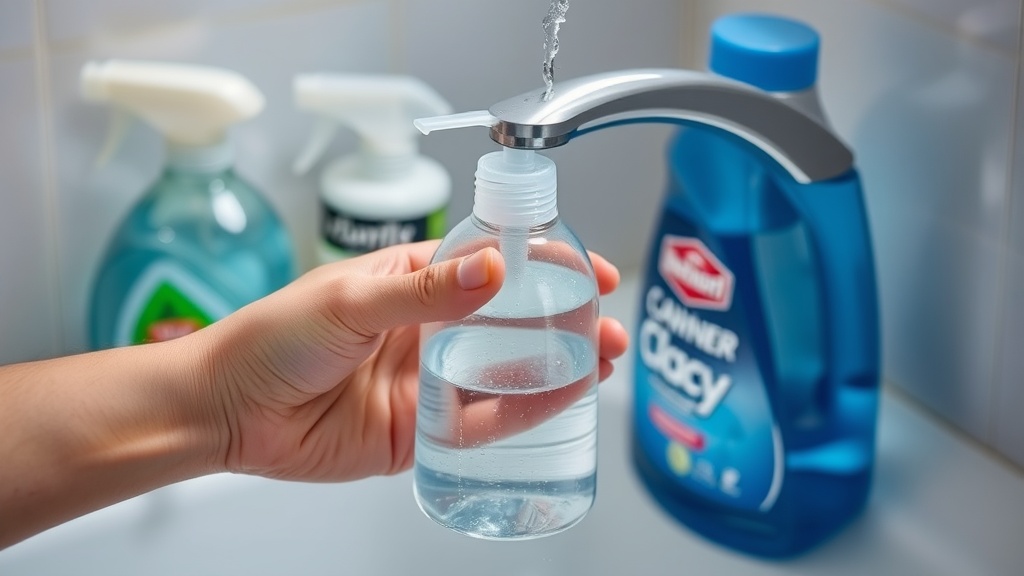
Refillable hand soap refers to soap products designed to be used multiple times by refilling the same dispenser rather than discarding the entire bottle after it’s empty. This can involve:
- Buying soap in bulk refill pouches or larger bottles to pour into smaller pump dispensers at home.
- Using compatible soap cartridges designed to snap into specific dispensers.
- Purchasing concentrated soap that requires dilution before use, thereby extending how many hand washes one container provides.
The goal is to reduce single-use plastic, minimize packaging waste, and cut down on the overall cost of hand soap over time.
See also: Zero-Waste Cleaning Hacks Using Refillable Household Essentials
How Using Refillable Hand Soap Saves Money
Phone cases · 15% off first order
Galaxy Case Co.Built for Galaxy. Ready for impact. Code FIRST15GAL1. Lower Cost per Wash Through Bulk Purchasing
Refillable soaps are usually sold in larger volumes or bulk packs, significantly lowering the unit cost compared to single-use retail bottles. For example, a 1-liter refill pack may cost the same or less than a 300ml retail bottle, yet it contains over three times more soap.
2. Concentrated Formulas Mean More Soap for Less
Many refill options come as concentrated liquid soap that needs to be diluted. These concentrated formulas stretch a single bottle into multiple refills, improving the cost-to-use ratio dramatically. If a concentrate is designed to be diluted 1:4, this means one 250ml bottle can make 1.25 liters of usable soap.
3. Reusing Dispensers Cuts Replacement Costs Over Time
Refillable soap is usually used in a durable pump or foamer bottle intended for long-term reuse. By keeping this dispenser, you avoid paying for separate bottles with each purchase.
Example Cost Savings Breakdown
| Soap Type | Approximate Cost per Bottle | Volume per Bottle | Approximate Cost per Liter | Typical Number of Uses per Liter | Approximate Cost per Use |
|---|---|---|---|---|---|
| Single-use small bottle | $3 | 300 ml | $10 | 33 (assuming 10ml per wash) | $0.09 |
| Bulk refill pouch | $8 | 1 liter | $8 | 100 | $0.08 |
| Concentrated soap (to dilute 1:4) | $6 | 250 ml (makes ~1.25L) | $4.80 | 125 | $0.05 |
The above table is illustrative but shows how moving from single-use bottles to concentrate or bulk refills can slash costs per hand wash.
How Using Refillable Hand Soap Saves Plastic
1. Dramatic Reduction in Plastic Packaging Waste
Refill pouches typically use far less plastic than standard bottles — possibly 60-80% less. Plus, many pouches are designed to be recycled more efficiently (though local recycling may vary).
2. Less Frequent Plastic Bottle Disposal
Since the dispenser bottle is reused many times before replacement, the total number of discarded plastic bottles per year drops significantly. Instead of discarding a plastic bottle every month, you might discard one every few months or longer.
3. Reduced Carbon Footprint from Transport and Production
Buying in bulk reduces the overall frequency of shipments, cutting transport emissions per hand wash. Smaller packaging also means less material usage and manufacturing emissions.
When to Use Refillable Hand Soap
Phone cases · 15% off first order
Phone Case GiftFun finds for every vibe. Code FIRST15GIFTRefillable hand soap works well for households prioritizing sustainability and cost savings, especially:
- Families with frequent hand washing that go through soap quickly.
- Environmentally conscious households aiming to reduce plastic waste.
- People who prefer minimalist or zero-waste lifestyles.
- Buyers comfortable following dilution instructions for concentrates.
- Those willing to buy from third-party refill pouches or compatible cartridges outside of brand store bottles.
Refillable soap dispensers suit kitchens, bathrooms, and laundry rooms alike and can work for liquid or foaming soap formulas.
Common Pitfalls and How to Avoid Them
Problem: Upfront Cost of Refillable Dispensers
Refillable dispensers often come with a slightly higher initial cost than disposable bottles. To avoid feeling ‘trapped,’ buy a high-quality reusable dispenser that lasts, and consider it an investment paid back via refill savings.
Problem: Confusion Over Dilution Ratios
For concentrates, incorrect dilution can affect soap performance or waste product. Always follow manufacturer instructions carefully or use pre-mixed refill pouches if simpler.
Problem: Compatibility Issues with Cartridges
Brand-specific cartridges lock you into potentially expensive refills. Look for dispensers compatible with third-party refills or concentrate-based systems that give price and plastic waste flexibility.
Problem: Recycling Limitations
Some bulk pouches or concentrates come in multi-layered plastics that aren’t widely recyclable. Research local recycling options or opt for refill formats with clear recycling labels.
Practical Tips for Switching to Refillable Hand Soap
Phone cases · 15% off first order
Phone Cases For AllCases that match your energy. Code FIRST15ALL- Evaluate Your Household’s Soap Usage: Track how long a bottle lasts to estimate your annual soap volume needs.
- Choose the Right Dispenser Type: Pick a durable dispenser with refill options you can access easily.
- Buy Soap in Bulk or Concentrate: Opt for the most concentrated formulations when possible.
- Use Refill Pouches or Compatible Refills: Seek cost-effective and low-plastic options.
- Label and Store Concentrates Safely: Keep concentrate and diluted soap well labeled to avoid confusion.
- Properly Clean and Dry Dispensers Before Refilling: Prevent contamination and extend dispenser life.
- Recycle or Repurpose Old Bottles: Ensure responsible disposal.
Refillable Hand Soap Vs Single-Use Bottles: Quick Comparison
| Feature | Refillable Hand Soap | Single-Use Soap Bottles |
|---|---|---|
| Plastic Use | Significantly less overall | Higher total due to discarded bottles |
| Cost per Use | Lower (especially with concentrate) | Higher due to smaller bottles and no reuse |
| Convenience | May require dilution or pouring | Ready to use out-of-the-box |
| Waste Generation | Less waste (fewer bottles/refills) | More plastic and packaging waste |
| Ingredient Transparency | Often better with refill labels | Variable labeling detail |
| Compatibility Issues | Possible with some cartridge systems | Not applicable |
| Initial Dispenser Cost | Higher (one-time purchase) | Typically low per bottle |
| Accessibility | Depends on regional availability | Widely available everywhere |
Top Picks

Watchdog picks
- YIHUA 939D+ Digital Soldering Station, 75W Equivalent with Precision Heat ControCheck on Amazon → ·
- B08KDQZJQ5Check on Amazon → ·
- B001EQ4G0OCheck on Amazon → ·
- B07D5DN269Check on Amazon → ·
- InkOwl Compatible Ink Cartridge Replacement for Roland ECO-SOL MAX Printers ESL3Check on Amazon → ·
- B01N7V39UOCheck on Amazon → ·
- Lodge 12” Cast Iron Skillet - Chef Collection - Perfect Sear - Ergonomic HandleCheck on Amazon → ·
- Lodge Seasoned Cast Iron Skillet 6.5 Inches - PFAS-Free, Non-Toxic Cookware - UsCheck on Amazon → ·
Products in this guide
- Dawn Ultra Dish Soap, Original Scent, 75 fl oz (2-Pack)Check on Amazon →
- Folgers Classic Roast Ground Coffee, 48 OzCheck on Amazon →
- Tide PODS Laundry Detergent Soap Pods, Original Scent, 112 CountCheck on Amazon →
- ecodot 552 Pigment Ink Refill Ink Bottle Replacement for Epson 552 Ink Used for EcoTank Photo ET-8500, ET-8550 Printer (1 Photo Black, 1 Black, 1 Cyan, 1 Magenta, 1 Yellow, 1 Grey, 6-Pack)Check on Amazon →