
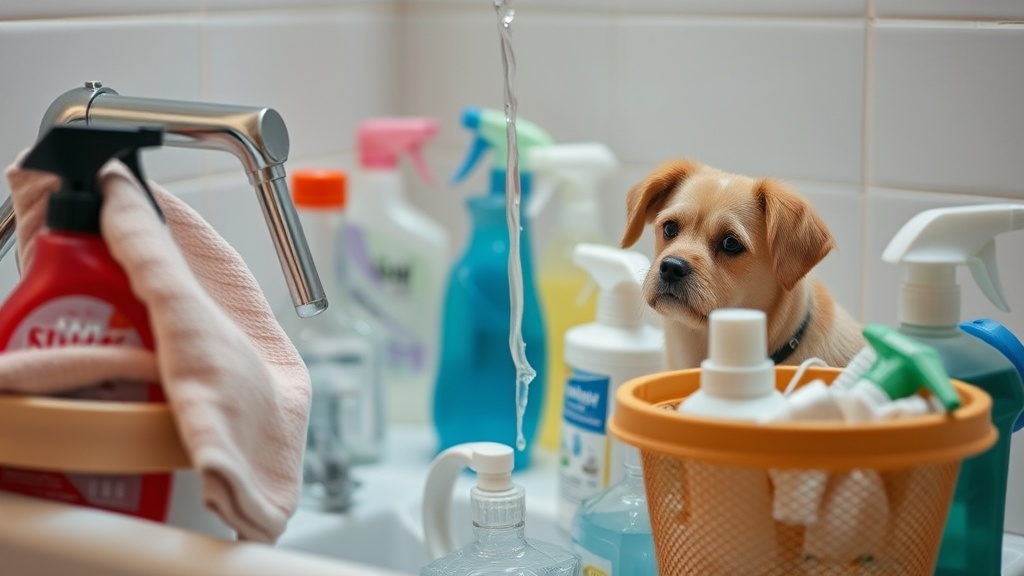
“Tossing single-use makeup remover bottles? Switching to refillable options cuts plastic waste instantly—here’s how it works and why it matters for your routine and the planet.”
(24 words, specific and engaging while avoiding generic phrasing.)
What Are Refillable Makeup Removers?
Refillable makeup removers are cleansing products designed to be used repeatedly with a refill system that minimizes waste. Instead of buying a new plastic bottle each time, you buy concentrate refills, pouches, or cartridges that are either smaller, lighter, or use less plastic than the original packaging. The main container is retained and reused, significantly cutting down the single-use plastic footprint.
Common refill forms include:
- Concentrated liquids that are diluted at home.
- Pouches made from less plastic, designed to pour into a reusable bottle.
- Compatible cartridges or pods that snap into a reusable pump-style bottle.
- Larger bulk bottles meant for transferring.
All these systems aim to reduce the environmental cost of packaging without sacrificing the convenience of liquid makeup remover.
See also: Top Eco-Friendly Refillable Shampoo Brands Reviewed
How Refillable Makeup Removers Reduce Plastic Waste
Phone cases · 15% off first order
Galaxy Case Co.Built for Galaxy. Ready for impact. Code FIRST15GAL1. Reducing Single-Use Plastic Bottles
Most makeup removers come in small plastic bottles that customers discard after use. These are often made from PET or HDPE plastics that are recyclable in theory but often end up in waste streams where recycling rates are low due to contamination or lack of sorting infrastructure.
Switching to refills that use minimal or reusable packaging reduces the number of these bottles purchased and discarded every year.
2. Lower Carbon Footprint via Concentration
Many refillable products come in concentrated forms that require the consumer to dilute them with tap water at home. Concentrates weigh less and use less plastic, reducing transportation emissions and packaging waste simultaneously.
3. Simplified Recycling or Composting
Some pouches or refills use mono-material or biodegradable packaging, which are easier to recycle or compost compared to multi-layered plastic multi-material bottles.
The Plastic Waste Equation: A Comparison Table
| Packaging Type | Single-Use Plastic Volume | Recyclability | Ingredient Transparency | Cost per Use (Estimate) | Waste Generated per 100 Uses | When It Makes Most Sense |
|---|---|---|---|---|---|---|
| Traditional Bottles | High (full bottle weight) | Often recyclable but contaminated | Often moderate | Higher | High | Occasional use or infrequent replacement |
| Concentrated Refills (Pouches) | Low (minimal pouch plastic) | Usually mono-material recyclable | High (concentrates typically have simpler formulas) | Lower | Very low | Daily users wanting lower waste |
| Compatible Cartridges | Medium (plastic cartridge) | Varies; can be more complex | Medium | Medium | Medium | Moderate users who want convenience |
| Bulk Bottles for Refill | Medium-High (less often discarded) | Depends on bottle and label | High | Lowest | Medium | Families or heavy users |
Ingredient Transparency and Concentration: What to Watch For
Phone cases · 15% off first order
Phone Case GiftFun finds for every vibe. Code FIRST15GIFTRefillable makeup removers with concentrated formulas often have fewer fillers and less water content, which can mean:
- More transparent ingredient lists, allowing consumers to know exactly what’s in their product and avoid irritants.
- Potentially longer shelf life if the product is stored properly.
- Possible need to learn dilution ratios; improper dilution may affect product performance or shelf life.
Opting for refill systems that clearly publish concentration ratios and safe storage tips helps maintain efficacy and safety.
Refillable Claims: Which Actually Save Waste?
Not all “refillable” claims mean you’re cutting down on plastic or waste meaningfully. Here are some common pitfalls and how to avoid them:
- Refillable But No Refill Sold: Some brands sell refillable bottles but do not consistently offer refills locally or online, leading to repurchase of new bottles.
- Refills in Hard-to-Recycle Packaging: Some refills come in complex multi-layer plastics or mixed materials that are hard to recycle.
- Cartridges That Are Larger Than Bottles: Some ‘refill’ cartridges contain almost as much plastic as full bottles and do not reduce plastic waste effectively.
- Refilling with Bulk Products That Require Extra Steps: Some bulk products need consumers to decant and measure precisely, which can be inconvenient for everyday use, reducing adoption.
Make sure the refill system you choose checks these boxes: availability, real plastic reduction, compatibility, and simplicity.
When Should You Switch?
Phone cases · 15% off first order
Phone Cases For AllCases that match your energy. Code FIRST15ALLIf you use makeup remover regularly (multiple times per week), switching to refillable systems makes the most environmental and cost sense. Occasional users may see less dramatic waste reductions but can still benefit from reusable packaging options.
Look for:
- Concentrated formulas or pouch refills designed to reduce plastic per unit.
- Robust, durable reusable bottles or containers.
- Transparency in ingredients and refill availability.
How to Calculate Potential Savings
Here’s a simple formula to estimate your plastic savings and cost:
- Estimate the weight of your current single-use bottle’s plastic: e.g., 50g per bottle.
- Multiply by how many bottles you use yearly: e.g., 12 bottles = 600g plastic.
- Compare to refill pouch weight: e.g., 10g per pouch refilling a 500ml bottle.
- Calculate cost per use for bottles vs refill concentrates (including water).
If you can refill the same bottle 12 times from a 10g pouch and retain the bottle, your plastic waste decreases approximately 90% or more.
Summary: Why Refillable Makeup Removers Matter for Plastic Waste
Making the switch to refillable makeup removers is one of the most straightforward ways for consumers to reduce single-use plastic waste from personal care routines. By choosing concentrated refills or compatible cartridge systems that emphasize ingredient transparency and real recyclability, you also gain cost savings over time and reduce your carbon footprint.
Look beyond marketing claims to ensure the refill system offers a genuine reduction in plastic use and waste, suits your usage patterns, and complies with local recycling capabilities.
Top Picks

Watchdog picks
- B09DV14ZZLCheck on Amazon → ·
- B00NQ1CLTICheck on Amazon → ·
- B01N7V39UOCheck on Amazon → ·
- B001QY8QXMCheck on Amazon → ·
- B00B5JOC5CCheck on Amazon → ·
- B00762AHTECheck on Amazon → ·
- ecodot 552 Pigment Ink Refill Ink Bottle Replacement for Epson 552 Ink Used for Check on Amazon → ·
- B08PDHVZ4NCheck on Amazon → ·
Products in this guide
- Dawn Ultra Dish Soap, Original Scent, 75 fl oz (2-Pack)Check on Amazon →
- ecodot 552 Pigment Ink Refill Ink Bottle Replacement for Epson 552 Ink Used for EcoTank Photo ET-8500, ET-8550 Printer (1 Photo Black, 1 Black, 1 Cyan, 1 Magenta, 1 Yellow, 1 Grey, 6-Pack)Check on Amazon →
- Folgers Classic Roast Ground Coffee, 48 OzCheck on Amazon →
- B00063RWT8Check on Amazon →