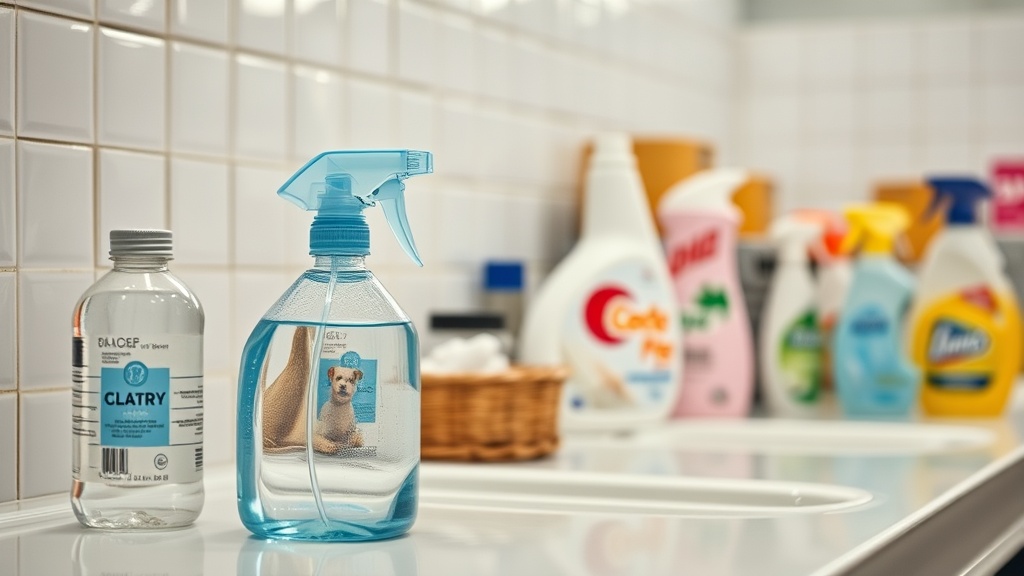
Refilling your own household products at local zero-waste shops isn’t just a feel-good effort; it’s a practical way to drastically reduce single-use plastic and packaging waste while supporting your community’s sustainability goals. Many people struggle with excessive packaging waste from everyday items like cleaning supplies, personal care products, and food storage. Understanding the real impact of refilling your own products, especially through local shops committed to zero waste, helps you make smarter choices that align environmental benefits with local economic support.
What Is Refilling Your Own Products?
Refilling your products means bringing empty containers from home—such as jars, bottles, or tubs—to a store and filling them up with the product you need instead of buying prepackaged single-use containers. This can apply to everything from shampoo and conditioner to dish soap, laundry detergent, cooking oils, grains, nuts, and even household cleaners.
Refilling isn’t limited to water or coffee—it’s a comprehensive approach to stopping the stream of plastic packaging and excessive waste that make their way into landfills and oceans. It replaces the concept of “one-use, toss” packaging with reusable containers you already have, or durable containers purchased once and reused repeatedly.
See also: RefillWatch: Top Refillable Household Products for Zero-Waste Living
How It Works: Local Zero-Waste Shops and Their Role
Phone cases · 15% off first order
Galaxy Case Co.Built for Galaxy. Ready for impact. Code FIRST15GALLocal zero-waste shops typically offer:
- Bulk Product Dispensers: Where customers can refill personal containers by volume in dry goods, liquids, or powders.
- Concentrated Products: Many stores stock refills that are highly concentrated, requiring smaller packaging and offering better cost-per-use ratios.
- Ingredient Transparency: These shops often clearly label ingredients and provide information stickers or guides on what’s inside, helping consumers avoid hidden chemicals or allergens.
- Package Reuse Programs: They might offer store-bought refillable bottles for purchase or accept and sanitize returns for reuse.
When you refill at these shops, you’re:
- Cutting down on single-use plastic packaging.
- Supporting businesses that prioritize local sourcing and sustainable supply chains.
- Reducing transportation emissions by purchasing products closer to home.
- Encouraging a circular economy rather than a linear “take-make-waste” model.
When to Use Local Zero-Waste Shop Refills
Refilling makes the most sense in these scenarios:
- You Have Durable Containers at Home: Bottles that are sturdy and safe to reuse can reduce costs and waste.
- You Want Transparent Ingredients: If you’re concerned about hidden chemicals or allergens, zero-waste shops often promote full ingredient disclosure.
- You Use Products Regularly: Daily-use items like soap, shampoo, detergent, and grains are ideal since the containers will get frequent reuse.
- You Want to Support Local Economies: Shopping in your neighborhood helps keep money circulating in your community.
- You Seek True Plastic Waste Reduction: Refilling directly impacts your personal plastic footprint more than buying brand-name bottles touted as “recyclable” but often ending up in landfill.
Common Pitfalls and How to Avoid Them
Phone cases · 15% off first order
Phone Case GiftFun finds for every vibe. Code FIRST15GIFTWhile refilling is a sound practice, be mindful of these pitfalls:
- Cross-Contamination: Reusing containers without proper cleaning can introduce bacteria or residues, especially for personal care products.
- Unexpected Ingredients: Sometimes refilled products from third parties or bulk bins might not exactly match brand-name formulations.
- Cost Misconceptions: Not all refills are cheaper upfront; concentrate levels and packaging sizes impact cost-effectiveness.
- Inconvenience or Availability: Local shops with refill options might have limited hours or products, causing planning challenges.
- Overreliance on Refilling: Some items (e.g., perishables or highly formulated specialty products) don’t suit refills well.
Comparing Refilling at Local Zero-Waste Shops vs. Buying Brand-Name Refillable Packaging
| Feature | Local Zero-Waste Shops (Refill Own Containers) | Brand-Name Refillable Packaging (Cartridges/Pods) |
|---|---|---|
| Plastic Reduction Impact | High; zero new packaging, reuse existing | Moderate; switches packaging but often still plastic-based |
| Ingredient Transparency | High; shops often disclose contents fully | Variable; some brands opaque on formulas |
| Cost Efficiency | Potentially better when using concentrates and refilling | Usually higher up-front cost for cartridges |
| Local Economy Support | Strong; supports local small businesses | Low; often favors larger manufacturers/distributors |
| Convenience | Variable; requires bringing containers and some planning | High; cartridges often easy and quick to swap |
| Waste Generation | Minimal; mostly loss from occasional spills or discarded containers | Moderate; cartridges themselves become waste |
| Customization | Possible to buy in preferred amounts and types | Limited to brand product offerings |
Ingredient Transparency Matters
Phone cases · 15% off first order
Phone Cases For AllCases that match your energy. Code FIRST15ALLOne significant benefit of local zero-waste shops is ingredient transparency. When refilling your own bottles or containers, the products are often clearly labeled with all components listed. Unlike many brand-name refills or pods that might conceal proprietary blends or fragrances, these shops prioritize helping consumers avoid harmful chemicals, allergens, and irritants.
For households sensitive to specific ingredients or pursuing natural or organic products, refilling allows direct inspection of ingredient lists. This transparency also reduces the risk of reusing containers containing residues incompatible with new products.
Calculating Cost Savings: Refills vs. Buying New Bottles
Cost savings from refilling depend largely on these factors:
- Concentration Ratio: Highly concentrated products (e.g., a laundry detergent concentrate) require less volume per use and thus less packaging.
- Container Reuse: The more times you reuse your bottles, the more you spread the initial cost over time.
- Bulk Pricing: Buying refills by volume or weight often costs less per unit than brand-name prepackaged bottles.
- Upfront Container Cost: If a container is purchased new just for refilling, initial investment is factored into the calculation.
Example Cost Math (Hypothetical)
| Item | Brand-New Bottle Cost (per 32 oz) | Cost of Refill at Zero-Waste Shop (per 32 oz) | Number of Reuse Cycles | Effective Cost per 32 oz Considering Reuse |
|---|---|---|---|---|
| Dish Soap | $6.00 | $3.50 | 10 | $3.50 + ($6.00 / 10) = $4.10 |
| Laundry Detergent (Concentrate) | $10.00 | $5.00 | 20 | $5.00 + ($10.00 / 20) = $5.50 |
This math shows that while refill pricing is often lower, the ultimate savings depend on how often containers are actually reused.
Why Supporting Local Zero-Waste Shops Matters Beyond Refilling
- Community Engagement: These shops often organize workshops, bulk food swaps, and sustainability education.
- Reduced Transportation Footprint: Local sourcing reduces long-distance transport emissions embedded in packaged goods.
- Innovation Hubs: They act as prototypes for scaling sustainable consumer habits nationwide.
- Employment and Economy: Buying locally helps sustain employment opportunities within your area rather than funneling profits to large multinational corporations.
Final Thoughts
Refilling your own products at local zero-waste shops is a highly effective, eco-friendly practice that aligns plastic reduction, ingredient transparency, cost savings, and community support. Choosing refills over brand-name bottles reduces waste, often cuts your footprint, but success depends on consistency, container care, and understanding the nuances of each product. Making an investment in learning your local shop’s offerings and building a refilling habit empowers your household to be truly zero waste.
Top Picks




Watchdog picks
- B001ET73J2Check on Amazon → ·
- Soldering Iron Kit, 60W LED Display Digital Solder Pen, 5 Replaceable Tips, 21-iCheck on Amazon → ·
- Extra Deep Queen Sheet Set - 6 Piece Breathable and Cooling Sheets - Hotel LuxurCheck on Amazon → ·
- B074ND5RDTCheck on Amazon → ·
- B001E10B9ICheck on Amazon → ·
- B07YPR2DGHCheck on Amazon → ·
- B00CAZAU62Check on Amazon → ·
- ESTRADIOL 2XWEEKLY (AB3) 0.025 MG PATCHCheck on Amazon → ·
Products in this guide
- Dawn Ultra Dish Soap, Original Scent, 75 fl oz (2-Pack)Check on Amazon →
- B00063RWT8Check on Amazon →
- Lodge Seasoned Cast Iron Skillet 6.5 Inches - PFAS-Free, Non-Toxic Cookware - Use with an Oven, Stove, Grill, or Campfire - Naturally Non-Stick & Oven SafeCheck on Amazon →
- B000H0XFCSCheck on Amazon →