
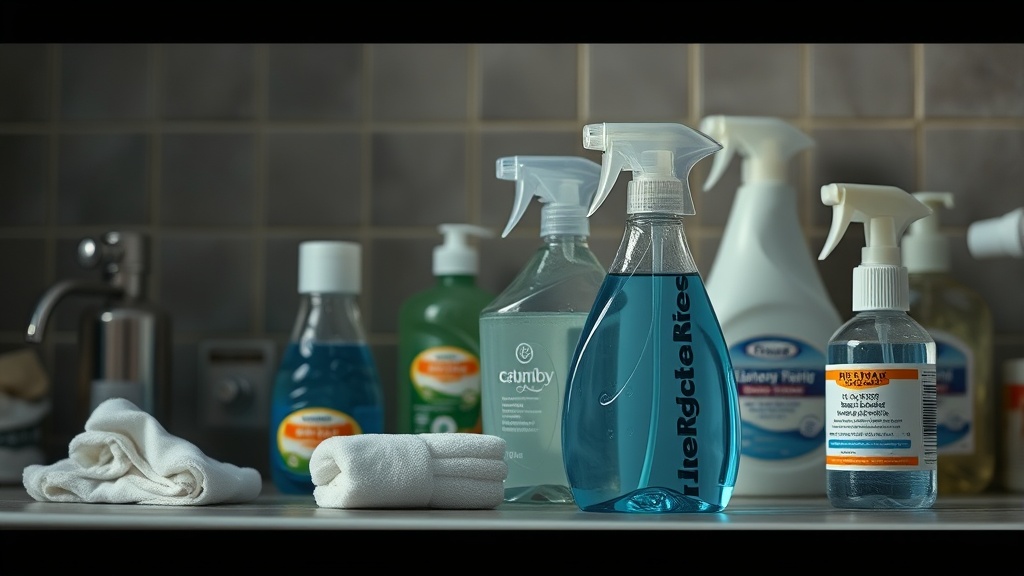
Refillable products are gaining popularity as part of a household strategy to cut plastic waste, but many people don’t realize how significant their role can be in reducing microplastic pollution. Microplastics — tiny plastic fragments less than 5 mm in size — are now being found everywhere, from oceans to human bloodstreams, primarily originating from the breakdown of single-use plastic packaging. This article explains why switching to refillable products reduces microplastic pollution, how to choose effective refill systems, and what common pitfalls to avoid.
What Are Microplastics and Why Do They Matter?
Microplastics are tiny plastic particles created by the degradation of larger plastic waste, including packaging, synthetic textiles, and personal care products. These particles are persistent in the environment because they do not readily biodegrade. They accumulate in water systems, soil, and living organisms, presenting ecological and health risks.
Single-use plastic packaging is a major source of microplastics. When these plastics break down, either through mechanical action (like agitation in water), UV exposure, or chemical wear, they shed microplastic fragments that enter ecosystems and the food chain.
See also: Why Refillable Products Are Better for Reducing Carbon Footprint
How Refillable Products Help Reduce Microplastic Pollution
Phone cases · 15% off first order
Galaxy Case Co.Built for Galaxy. Ready for impact. Code FIRST15GALRefillable products generally rely on durable containers designed to be reused many times along with smaller refill units or concentrates. This system reduces waste in several interconnected ways that impact microplastic pollution:
1. Less Plastic Packaging Used Overall
Refill systems use less plastic per use because you only discard the smaller refills instead of the entire bottle. For example, a refill pouch or cartridge often contains less plastic than a full new bottle. The container is kept longer, meaning fewer new containers are produced, transported, and discarded.
2. Higher Concentration Means Less Plastic Packaging and Waste
Many refillable products are sold as concentrated formulas to be diluted at home. Concentrates reduce the volume and weight of packaging since you’re not shipping water or other fillers. This reduces the number of single-use plastic containers needed for the same amount of product.
3. Durable Reusable Containers Avoid Abrasion Breakdown
Single-use plastic containers are usually thin and become brittle after one use, leading to flaking and shedding as they degrade into microplastics. Reusable containers are designed to withstand repeated use and cleaning, reducing microplastic shedding through wear and tear.
4. Reduced Waste Means Less Plastic Litter
Littered plastic items are a direct source of microplastic pollution as they fragment in the environment. By cutting down on the number of plastic containers disposed of, refillable products reduce the volume of plastic waste that can become microplastics.
Comparing Single-Use and Refillable Products: Microplastic Impact
| Feature | Single-Use Bottles | Refillable Products |
|---|---|---|
| Plastic per use | High – entire container discarded | Low – only small refill packaging discarded |
| Packaging concentration | Low – ready-to-use, watery formulations | High – concentrated formulas reduce volume |
| Container durability | Low – designed for single use; brittle | High – thicker, more robust, designed for reuse |
| Microplastic shedding risk | High – containers break down quickly | Low – durable containers shed less over time |
| Supply chain plastic waste | Higher – more packaging transported | Lower – more product per package reduces transport |
| Litter and plastic leakage | Higher risk, due to single-use disposal | Lower risk, less packaging waste generated |
When Should You Choose Refillable Products?
Phone cases · 15% off first order
Phone Case GiftFun finds for every vibe. Code FIRST15GIFTRefillable products are well-suited for households serious about reducing plastic waste and microplastic pollution, but the benefits depend on product category and how you use them.
- Regularly Used Household Products: Shampoos, dish soaps, laundry detergents, and hand soaps benefit most because these have frequent turnover, so refill systems meaningfully reduce cumulative waste.
- Concentrated Formulas: If you are comfortable mixing dilutions, concentrated refill packs reduce packaging even more, meaning less microplastic-generating waste.
- Durable Containers: Look for refillables that provide sturdy, reusable containers rather than thin plastic bottles reused a few times—durability is key to less wear-related plastic shedding.
- Low-waste Refills: Some refill products use flexible pouches or cartridges that minimize plastic. Third-party refills can also cut costs and waste but verify compatibility and ingredient transparency.
Common Pitfalls and How to Avoid Them
Using “Refillable” Products That Aren’t Truly Durable
Some products label themselves as refillable but supplies only limited reuse (such as thin plastic bottles reused twice). These offer marginal microplastic reduction. Invest in refill systems with robust containers meant for long-term reuse (glass, stainless steel, or thick BPA-free plastic).
Refill Packaging That Doesn’t Reduce Plastic Waste
If the refill pack is made of multilayer plastics or non-recyclable materials, the benefit is diminished. Look for refills that use single-material pouches or cartridges that can be recycled properly or are biodegradable.
Lack of Ingredient Transparency
Some refill products don’t clearly disclose their ingredients or concentrate ratios. This makes it harder to compare environmental impacts or make informed concentration/dilution adjustments, potentially leading to waste or inefficient use.
Compatibility Issues with Third-Party Refills
Third-party refill cartridges can save money and reduce waste if well matched to your container. However, incompatibility or poor seals can cause spills or product waste, negating environmental benefits.
Calculating Refill Cost and Environmental Benefits
Phone cases · 15% off first order
Phone Cases For AllCases that match your energy. Code FIRST15ALLA key question: does refillability save money and resources, or just shift the waste?
- Cost per Use: Concentrates often cost less per use but require you to mix yourself. Calculate the recommended dilution ratio (e.g., 1:10 concentrate to water) to estimate cost savings.
- Plastic Saved: Weigh or find volume of original container vs refill packaging to compare plastic use. For example, if a refill pouch weighs 10g of plastic vs a new bottle at 50g, using 10 refills saves 400g of plastic waste.
- Carbon and Fuel Savings: Concentrated products reduce shipping weight and volume, lessening greenhouse gas emissions.
Summary: Why Refillable Products Matter for Microplastic Pollution
Using refillable products minimizes single-use plastic waste, which is the root cause of microplastic pollution. Durable containers resist breakdown and shedding, while concentrates and reduced packaging volume shrink the total plastic footprint. However, look carefully at container durability, refill packaging material, and ingredient transparency to maximize environmental benefits. When done right, refillable products are a practical and impactful way households can tackle the ever-growing problem of microplastics.
Top Picks

Watchdog picks
- Backcountry Iron 12 Inch Round Large Pre-Seasoned Cast Iron SkilletCheck on Amazon → ·
- B07Q5J5XJLCheck on Amazon → ·
- B073Q8P6CQCheck on Amazon → ·
- 280XXL 281XXL Ink for Canon Ink 280 281 Replacement for Canon TR8620 Ink CartridCheck on Amazon → ·
- B00B5JOC5CCheck on Amazon → ·
- Soldering Iron Kit, 80W 110V LCD Digital Solder Iron Pen with Ceramic Heater, PoCheck on Amazon → ·
- ESTROGEN - METHYLTESTOSTERONE 0.625 MG - 1.25 MG TABCheck on Amazon → ·
- B01N4QAK9OCheck on Amazon → ·
Products in this guide
- Dawn Ultra Dish Soap, Original Scent, 75 fl oz (2-Pack)Check on Amazon →
- Niagara Sleep Solution Ultra Soft Queen Size Mattress Topper - Rayon Derived from Bamboo Pillow Top Mattress Pad for Back Pain Relief - Naturally Cooling for Hot Sleepers, GreenCheck on Amazon →
- B00063RWT8Check on Amazon →
- B000H0XFCSCheck on Amazon →