Having a new baby often means a sudden surge in single-use plastic waste—from disposable diapers and wipes to bottles of baby lotion and shampoo. For parents eager to reduce plastic clutter and environmental impact, refillable products offer a practical, less wasteful alternative. Yet knowing which refillable products genuinely cut plastic and how to navigate the confusing landscape of options—without sacrificing convenience or safety—can be tricky. This article dives into why refillable products are essential for new parents striving for a plastic-free nursery and how to choose and use them effectively.
What Are Refillable Products?
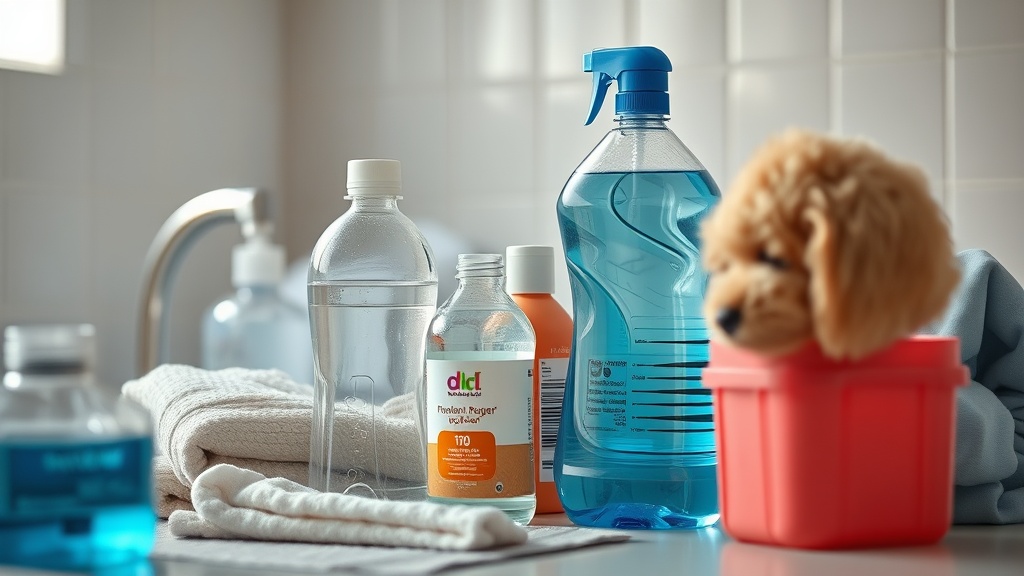
Refillable products are designed to be reused multiple times by replenishing their contents rather than discarding the entire container after one use. Typically, a durable bottle, jar, or container is purchased initially and later refilled either from bulk products, concentrate refills, or compatible cartridges.
Common refillable products for new parents include baby lotion and wash bottles, feeding bottles, wipes containers, diaper creams, and even laundry detergent for baby clothes. The core idea is to minimize single-use plastic packaging by extending the life of the primary container.
How Refillable Products Work for New Parents
Phone cases · 15% off first order
Galaxy Case Co.Built for Galaxy. Ready for impact. Code FIRST15GAL-
Initial Investment in a Durable Container
New parents acquire a sturdy, well-designed container to use repeatedly—for example, a BPA-free pump bottle or glass jar. These are meant to last through multiple refills, cutting down the number of thrown-away plastic bottles. -
Choosing Suitable Refill Formats
- Bulk Refills: Large containers of baby-safe lotion, shampoo, or soap that parents pour into the smaller, reusable bottle at home.
- Concentrated Formulas: Highly concentrated liquids or powders that parents dilute before refilling their containers, enabling less packaging per use.
- Compatible Cartridges: Pre-measured refill packs that snap or slide into the durable container design, reducing mess and guesswork.
-
Refilling and Reusing
The parent refills the container as needed, washing it properly between uses if necessary, then stores it conveniently in the nursery. -
Disposal of Minimal Refill Packaging
Refill formats typically use less plastic or more recyclable materials than single-use bottles, helping parents cut down the overall plastic waste in their home.
Why Refillable Products Matter for New Parents
Reduced Plastic Waste in High-Use Scenarios
New parents often go through many baby care products quickly. Refillable bottles eliminate dozens of single-use plastic containers:
- A typical baby lotion bottle might be replaced by refilling one container ten times from bulk refill packs.
- Instead of tossing wipe packets after they run out, refillable wipe containers can be topped up with bulk wipes or DIY solution.
Cost Savings Through Concentration and Bulk
Concentrated refills and bulk purchases often cost less per use:
- A concentrated baby detergent refill might cost 30-50% less per wash than separate bottles.
- Buying bulk baby shampoo refills in large quantities brings down the per-ounce cost significantly compared to brand-name small bottles.
Ingredient Transparency and Safety
Many refillable products come from brands or third parties emphasizing clear ingredients lists and minimal, safe additives—critical for new parents concerned about allergens or chemicals on their baby’s sensitive skin.
Convenience and Reduced Clutter
By limiting the number of bottles and packaging lying around, refillable solutions make your nursery tidier and reduce the overwhelm from baby gear accumulation.
When to Choose Refillable Products as a New Parent
Phone cases · 15% off first order
Phone Case GiftFun finds for every vibe. Code FIRST15GIFTConsider refillable options when:
- You regularly use a product daily (e.g., baby lotion, soap, wipes, detergent).
- You have the storage space for refill packs and can commit to a simple refilling routine.
- You care about reducing single-use plastic or want to reduce household product costs.
- You want to minimize exposure to potentially harmful ingredients by choosing transparent refill suppliers.
Which Refillable Products Actually Save Plastic?
Not all refillable claims lead to real plastic waste reduction. Here’s a comparison of common refill formats:
| Refill Format | Plastic Use Impact | Cost per Use | Ingredient Transparency | Convenience | Suitable Products |
|---|---|---|---|---|---|
| Bulk Refill Bottles | High reduction; fewer overall bottles | Lower (cost-effective) | Often high (bulk suppliers) | Medium (pouring needed) | Lotions, shampoos, laundry |
| Concentrate Powders | Very high reduction (little packaging) | Lowest | Depends on supplier | Medium (dilution needed) | Laundry, some cleaners |
| Compatible Cartridges | Moderate (plastic cartridges still used) | Moderate | Moderate to high | High (easy to swap) | Soaps, lotions, hand sanitizers |
| Brand-Name Refill Pouches | Moderate (light pouches vs bottles) | Higher | High (brand controlled) | High (easy squeeze refill) | Lotions, baby wash |
Common Pitfalls and How to Avoid Them
Phone cases · 15% off first order
Phone Cases For AllCases that match your energy. Code FIRST15ALL- Mistaking Refillable for Recyclable: Some containers say “refillable” but require you to buy brand-specific cartridges that are still single-use plastic, not reducing waste significantly. Check if the refill format truly reduces total packaging.
- Ingredient Mismatch: Not all bulk refills or third-party options contain equivalent ingredients, which can affect baby skin reactions or product performance. Choose refill sources with full ingredient transparency.
- Sanitation Concerns: Reusable containers must be cleaned properly between refills to avoid bacteria buildup. Follow manufacturer guidelines for washing and drying bottles.
- Storage and Handling: Bulk refills may require extra storage space and can be less convenient than pre-filled single-use bottles. Plan your nursery setup to accommodate refill containers easily.
How to Get Started with Refillable Products as a New Parent
-
Audit Your Baby Product Waste
Track what products you use most and how many plastic bottles you dispose of monthly. -
Identify Refillable Alternatives
For each high-use product, search for reliable refillable bottles plus suitable refill formats like bulk or concentrate. -
Calculate Cost and Waste Savings
Compare per-use cost and single-use bottle quantities before and after switching to refill. -
Purchase Durable Containers
Invest in sturdy, BPA-free bottles or glass jars designed for multiple uses. -
Establish a Refill Routine
Set a schedule for refilling containers with bulk liquid or concentrate, and cleaning bottles regularly. -
Choose Brands With Transparent Ingredient Lists
Ensure baby-safe, allergy-conscious ingredients for peace of mind.
Top Picks

Watchdog picks
- B001E10B9ICheck on Amazon → ·
- B07D5DN269Check on Amazon → ·
- Cuisinel Cast Iron Skillet with Lid - 12”-inch Pre-Seasoned Covered Frying Pan Check on Amazon → ·
- B0014D3N0QCheck on Amazon → ·
- ESTROGEN - METHYLTESTOSTERONE 0.625 MG - 1.25 MG TABCheck on Amazon → ·
- B07R3N9X3FCheck on Amazon → ·
- B00FFJ0R1QCheck on Amazon → ·
- B07P5BNQJGCheck on Amazon → ·
Products in this guide
- Dawn Ultra Dish Soap, Original Scent, 75 fl oz (2-Pack)Check on Amazon →
- Folgers Classic Roast Ground Coffee, 48 OzCheck on Amazon →
- Lodge Seasoned Cast Iron Skillet 6.5 Inches - PFAS-Free, Non-Toxic Cookware - Use with an Oven, Stove, Grill, or Campfire - Naturally Non-Stick & Oven SafeCheck on Amazon →
- Astra Platinum Double Edge Safety Razor Blades,100 Blades (20 x 5)Check on Amazon →