
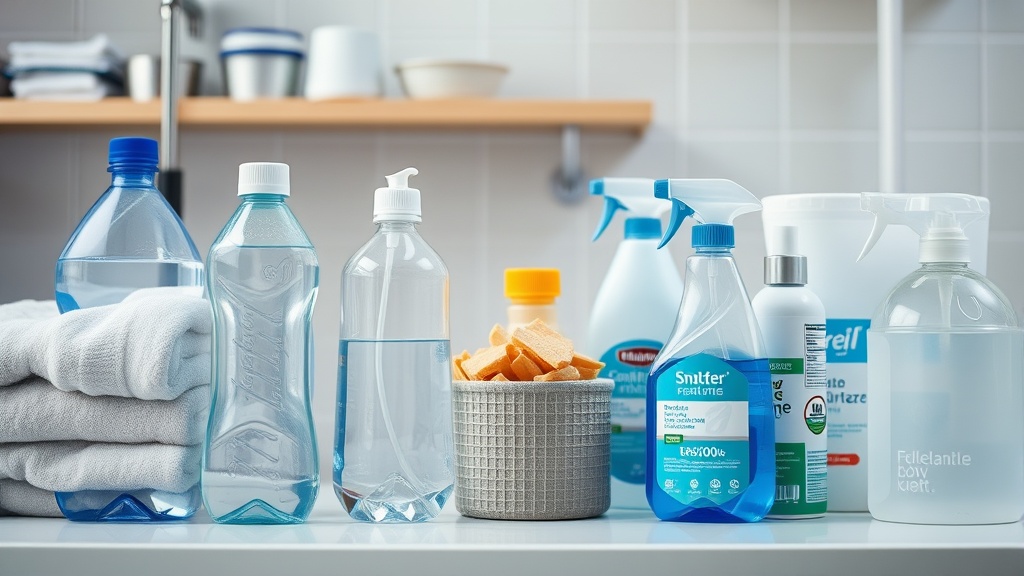
Refillable products often come with appealing marketing claims about reducing plastic waste, but for households serious about going plastic-free, not all refillable products are created equal. Many “refillable” solutions still rely on single-use plastic pouches or cartridges that don’t meaningfully cut down waste or environmental impact. Understanding why truly refillable products matter—and how to distinguish them from pseudo-refillables—is essential for zero-waste living.
What Are Refillable Products?
Refillable products are designed to be used multiple times by replenishing their content when it runs out, instead of discarding the entire container. Unlike disposable single-use items, refillables reduce the need for new packaging and can dramatically cut the volume of plastic and other waste sent to landfill or recycling.
Examples include glass or stainless steel bottles refilled with bulk soaps, shampoo dispensers that accept liquid refills, or durable containers paired with reusable cartridges or pods. The concept sounds simple, but many products labeled ‘refillable’ still rely on plastic pouches or single-use cartridges that create plastic waste and complicate recycling.
See also: Refillable Shampoo Brands That Actually Reduce Plastic Use
How Refillable Products Reduce Plastic Waste
Phone cases · 15% off first order
Galaxy Case Co.Built for Galaxy. Ready for impact. Code FIRST15GALRefillable products reduce plastic waste primarily by:
- Eliminating Single-Use Containers: Instead of throwing out a plastic bottle every time you buy shampoo or laundry detergent, you reuse the same bottle indefinitely.
- Using Concentrated Refills: Concentrated liquid refills reduce packaging volume and shipping weight. You typically add water at home to dilute them, lessening transport emissions.
- Enabling Bulk Purchasing: Bulk refills from zero-waste stores allow you to top up your own containers without new plastic packaging.
- Improving Ingredient Transparency: Many refill setups encourage buying from bulk or transparent sources, avoiding products with unnecessarily high plastic-packaged additives.
When to Use Truly Refillable Products for Plastic-Free Living
Truly refillable products are best when you:
- Want to eliminate frequent plastic bottle disposal for products used daily, like hand soap, dish soap, shampoo, lotion, and household cleaners.
- Purchase from bulk refilling stations or brand programs offering concentrated refill pouches or liquids with minimal packaging.
- Use durable, high-quality containers like glass or stainless steel bottles that will last years without degrading.
- Prefer transparent ingredient labels so you know exactly what is in your products.
- Want to reduce not just plastic waste but also carbon emissions associated with transporting bulky water-based liquids.
Common Pitfalls with Refillable Claims
Phone cases · 15% off first order
Phone Case GiftFun finds for every vibe. Code FIRST15GIFTBeware of products marketed as refillable that do not significantly reduce plastic waste or require frequent purchasing of plastic components:
- Single-Use Plastic Pouches: Many ‘refill’ pouches are still plastic sachets designed to be thrown away. These typically use thinner plastic than bottles, but still contribute to waste.
- Plastic Cartridges or Pods: Compatible cartridges may be cheaper but usually still generate plastic waste.
- Combination of Refillable Bottle + Frequent Plastic Refills: Some systems only partially reduce plastic; the bottle is reusable but the refills are single-use plastic pouches.
- Lack of Ingredient Transparency: Some refill products hide ingredients behind proprietary blends, making it difficult to verify efficacy or toxicity.
- Inconvenient Bulk Options: If bulk refills aren’t available in your area, the environmental benefit shrinks.
Comparing Refillable Product Setups for Plastic-Free Households
| Feature | Durable Refillable Bottles + Bulk Liquid Refills | Plastic ‘Refill’ Pouches (Single-Use) | Cartridges/Pods (Compatible or Brand) | Concentrated Liquid Bottles (Dilute at Home) |
|---|---|---|---|---|
| Plastic Waste Reduction | High (no single-use plastic) | Moderate (sachets reduce bottle waste but are single-use) | Low (plastic cartridges generate waste) | Moderate (less packaging but still plastic bottles) |
| Cost Efficiency | Low to moderate upfront; high long-term savings | Often low upfront, higher long-term | Generally higher cost per use | Moderate cost, depends on dilution ratio |
| Ingredient Transparency | High (bulk suppliers tend to list full ingredients) | Varies (often proprietary) | Varies (brand-dependent) | Moderate to High |
| Ease of Use | Requires upfront investment, occasional cleaning | Very convenient | Highly convenient | Easy, but requires measuring |
| Environmental Impact (Transport + Waste) | Low (reduced shipping weight and waste) | Moderate (light weight but single-use) | Moderate to High (plastic waste + shipping) | Moderate (less shipping than full liquids) |
How to Maximize Plastic Waste Reduction with Refillable Products
Phone cases · 15% off first order
Phone Cases For AllCases that match your energy. Code FIRST15ALL- Invest in Durable Containers: Choose refillable bottles made from glass or metal that can last years without integrity loss.
- Buy Concentrates or Bulk Liquids: Concentrated liquids that you dilute at home reduce shipping footprint and packaging.
- Use Bulk Refill Stations: Where available, bring your own containers for soap, detergent, and cleaning liquids.
- Avoid Plastic Sachets and Single-Use Pouches: Choose products that enable refilling from bulk without adding new plastic each time.
- Prioritize Ingredient Transparency: Choose refills with clear labels to avoid unnecessary additives and ensure product safety.
- Calculate Cost vs Waste Savings: Consider upfront costs of durable containers as an investment compared to ongoing spending and plastic waste from single-use packaging.
Example Cost and Waste Savings Calculation
To illustrate, consider two scenarios for dish soap used by a household:
| Scenario | Bottle Cost | Refill Cost per Use | Approximate Uses | Total Cost | Plastic Waste per Use (g) | Annual Waste (kg) (300 Uses) |
|---|---|---|---|---|---|---|
| Single-use plastic bottles | $5 | $5 | 300 | $1500 | 50 | 15 |
| Durable bottle + bulk liquid | $20 | $1.50 | 300 | $470 | 5 | 1.5 |
Using refillable bottles with bulk concentrates can reduce both annual plastic waste and product costs by over 80%. This calculation includes the relatively higher initial bottle cost amortized over many uses.
Why Ingredient Transparency Matters in Refill Products
Many refill products come with simplified or proprietary ingredient lists. Transparent ingredients help households verify that products:
- Are free from unnecessary harsh chemicals often found in conventional bottled products.
- Avoid microplastics, unnecessary emulsifiers, or preservatives that complicate water treatment.
- Align with your personal values around health and toxicity.
- Provide real functionality rather than just green marketing.
Buying bulk refills from suppliers dedicated to transparency is key for those wanting both plastic waste and chemical footprint reduction.
Conclusion: Why True Refillable Products Matter for Plastic-Free Living
“Refillable” is not a silver bullet—only certain reusable and bulk refill strategies truly eliminate single-use plastic waste and lower environmental impact. By choosing durable containers combined with concentrated bulk liquids or zero-waste refill stations, households can substantially reduce plastic pollution, save money over time, and know exactly what they are putting in their home and bodies.
Plastic-free living depends on embracing truly refillable products that address the full lifecycle of packaging and contents. Look beyond marketing hype, ask tough questions on ingredients, and consider the entire waste and cost trade-off. When done right, refillables unlock the triple win of less plastic waste, better ingredient transparency, and lower ongoing costs.
Top Picks

Watchdog picks
- Astra Platinum Double Edge Safety Razor Blades,100 Blades (20 x 5)Check on Amazon → ·
- Field Company Small Cast Iron Skillet – 8.38-Inch Pre-Seasoned Pan for 1–2 ServiCheck on Amazon → ·
- B08PDHVZ4NCheck on Amazon → ·
- B07F97MPYTCheck on Amazon → ·
- Soldering Iron Kit, 60W Adjustable Temperature, Digital Multimeter, 5pcs SolderiCheck on Amazon → ·
- B07R3N9X3FCheck on Amazon → ·
- B07YPR2DGHCheck on Amazon → ·
- Toner Kingdom Compatible Toner-Cartridge Replacement for Canon 054H 054 High YieCheck on Amazon → ·
Products in this guide
- Lodge Seasoned Cast Iron Skillet 6.5 Inches - PFAS-Free, Non-Toxic Cookware - Use with an Oven, Stove, Grill, or Campfire - Naturally Non-Stick & Oven SafeCheck on Amazon →
- Dawn Ultra Dish Soap, Original Scent, 75 fl oz (2-Pack)Check on Amazon →
- YIHUA 939D+ Digital Soldering Station, 75W Equivalent with Precision Heat Control (392°F to 896°F) and Built-in Transformer. ESD Safe, Lead Free with °C/°F display (Black)Check on Amazon →
- WEP 927-IV Soldering Station Kit High-Power 110W with 3 Preset Channels, Sleep Mode, LED Magnifier, 5 Extra Iron Tips, Tip Cleaner, 2 Helping Hands, Tip Storage Slots, Lead-free Solder Wire, TweezersCheck on Amazon →