
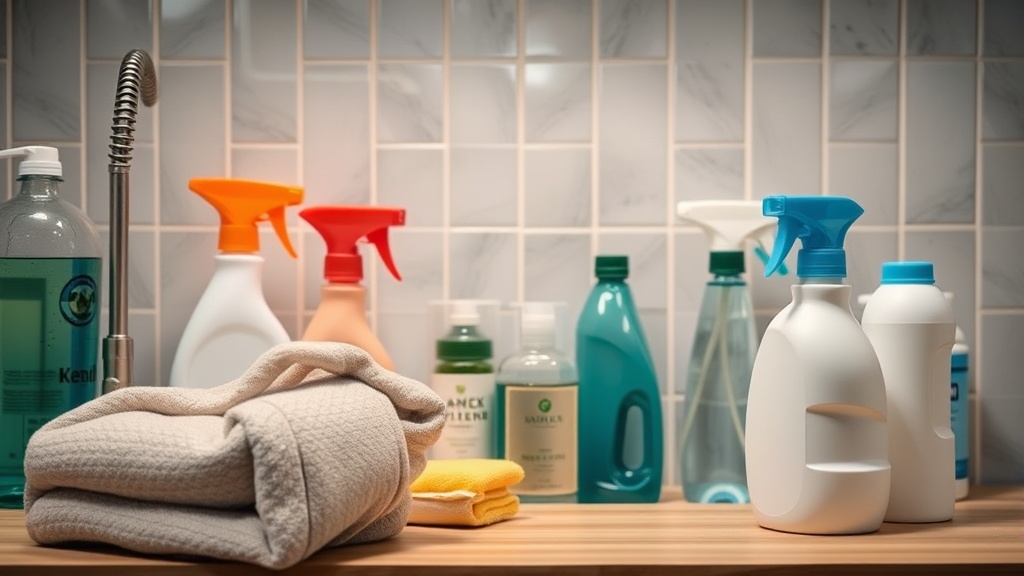
Refillable products often claim to reduce plastic waste and environmental impact, but how do they truly affect your carbon footprint? If you’re trying to cut single-use plastic and household waste while making smarter eco choices, understanding the real carbon savings behind refillable versus single-use packaging is key. This article breaks down why refillable products generally deliver better carbon outcomes, explains the role of concentration ratios and ingredient transparency, and helps you identify which refillable claims genuinely reduce carbon emissions.
What Are Refillable Products?
Refillable products come in packaging designed to be reused multiple times, either by refilling the original container with a refill pouch, cartridge, or bulk concentrate. Common examples include refillable liquid soap bottles, shampoo cartridges, and detergent pouches.
Unlike conventional single-use bottles, refills:
- Use less packaging material per use
- Often rely on lighter, flexible pouches
- Reduce waste that ends up in landfills or recycling streams
- May encourage consumers to buy in bulk or more concentrated forms
But not all refillable products are created equal. Some “refillable” options simply reuse the label or packaging while requiring new plastic containers that don’t actually reduce plastic consumption enough to offset their environmental impact.
See also: Refillable vs Concentrated Cleaning Products: What’s Better?
How Refillable Products Reduce Carbon Footprint
Phone cases · 15% off first order
Galaxy Case Co.Built for Galaxy. Ready for impact. Code FIRST15GALThe carbon footprint of household products is heavily influenced by:
- Raw material extraction and production (e.g., plastic resin manufacture)
- Manufacturing and filling (energy use, chemical processing)
- Transportation (weight and volume affect fuel use)
- End-of-life disposal or recycling
Refillable products typically reduce footprints in several ways:
- Lower packaging weight and volume per use. Flexible refill pouches use far less plastic resin than rigid bottles, meaning less material extraction and manufacturing energy. This also means lighter shipments, reducing transport emissions.
- Higher concentration formulas. Many refillable products come as concentrated liquids that users dilute at home or come in highly effective formulas requiring less volume per use. Concentration ratios matter hugely for carbon—more concentrated means you ship less water and fewer materials.
- Fewer containers produced overall. Reusing a single durable bottle multiple times avoids repeated plastic manufacturing and disposal cycles. You can reuse the same container 10+ times — a single-use bottle discarded each time multiplies that footprint.
- Potential for ingredient transparency and eco formulations. More transparent refill brands often commit to biodegradable ingredients or carbon-aware sourcing, which combined with reduced packaging improves total footprint.
Concentration Ratio’s Role in Carbon Reductions
A key metric to watch when evaluating refillable products is the concentration ratio—the mass or volume of product you get relative to its dilution or actual usage quantity. For example:
- A typical shampoo bottle might be 250 ml, ready to use.
- A refill pouch might contain 125 ml of concentrate, designed to make 500 ml after dilution.
Even if the refill pouch uses slightly more plastic material overall (due to pouches sometimes being multi-layer composites), the reduced transport weight and volume—plus fewer return trips to buy new bottles—can drastically lower carbon impact.
Example: Refillable hand soap with 5x concentration usually slashes carbon emissions from shipping and production by 60-80% compared to single-use bottles.
Ingredient Transparency and Its Carbon Impact
Phone cases · 15% off first order
Phone Case GiftFun finds for every vibe. Code FIRST15GIFTKnowing what’s inside refill products matters beyond waste reduction:
- Ingredients sourced responsibly (renewable feedstocks, minimal petrochemicals) lower embedded carbon.
- Simpler, biodegradable ingredients reduce chemical processing emissions and end-of-life environmental damage.
- Avoiding unnecessary fragrance, dyes, and preservatives cuts cumulative impacts.
Refillables that also feature transparent ingredient lists empower consumers to choose truly lower-impact products rather than just swapping containers.
Which Refillable Claims Actually Save Carbon?
Not all products labeled “refillable” or “zero waste” deliver real-world carbon reductions. Use these criteria to spot the best options:
| Feature | Carbon Savings Potential | Notes |
|---|---|---|
| Durable rigid container reuse | High: fewer bottles manufactured & discarded | Must reuse container 5-10+ times to pay off manufacturing footprint |
| Flexible pouch refills | Moderate to high: uses less plastic & lighter shipping | Can be multi-layer pouches that are hard to recycle; balance material use vs shipping reduction |
| Concentrated formulas | High: reduces water weight/volume | More potent formulas reduce transport & packaging footprint significantly |
| Bulk purchase options | High: low packaging per use; less frequent shopping | Requires upfront cost and storage space |
| Third-party compatible cartridges | Moderate: cuts down brand-specific packaging waste | Compatibility varies, and some cartridges still single-use |
| ‘Refillable’ with new plastic bottles each time | Low: minimal packaging reduction | Often very little carbon savings, as new containers still produced |
When to Use Refillable Products for Carbon Reduction
Phone cases · 15% off first order
Phone Cases For AllCases that match your energy. Code FIRST15ALLConsider adopting refillable products when:
- You want to cut household plastic waste visibly and measurably.
- You buy large quantities or want fewer trips to the store, leveraging concentrated refills’ transport efficiency.
- You can invest in durable containers and commit to reusing them multiple times.
- You prioritize ingredient transparency and want lower-impact formulations.
- Your local recycling infrastructure struggles with single-use plastics but might accept or recycle refill pouches or thicker plastic bottles.
Refillables make less sense for occasional or highly specialized products where the container reuse cycle or concentration benefits are minimal.
Common Pitfalls to Avoid
- Ignoring concentration ratios. Buying a “refill” that’s not concentrated or bulk-sized won’t generate as much carbon savings.
- Assuming all refillable packaging reduces plastic waste. Some refills use complex multi-material pouches that can’t be recycled and might increase plastic waste.
- Forgetting container reuse count. You must reuse bottles or dispensers multiple times to offset their initial embodied carbon.
- Not considering product formulation. A refillable product with heavy petrochemicals may not lower your overall environmental impact much.
- Overpaying for third-party refills or cartridges with minimal compatibility: Some “compatible” options don’t significantly reduce packaging or may be less concentrated, canceling carbon benefits.
Comparison Table: Single-Use Bottles vs. Refillable Products for Carbon Footprint
| Factor | Single-Use Bottle | Refillable Product |
|---|---|---|
| Plastic packaging per use | High (new bottle every time) | Low (reuse container; less packaging in pouch) |
| Packaging weight transported | Higher due to more containers | Lower due to less plastic and more concentration |
| Concentration ratio | Generally low (ready-to-use) | Often high (concentrated formulas) |
| Number of containers used | One per purchase | One durable container reused many times |
| Ingredient transparency | Varies, often limited | Often better in refill brands with sustainability focus |
| End-of-life waste | More plastic waste and recycling burden | Less plastic waste; some pouches hard to recycle |
| Cost per use (plastic & product) | Moderate to high due to packaging waste | Often lower long term (bulk buying and concentrate savings) |
Top Picks

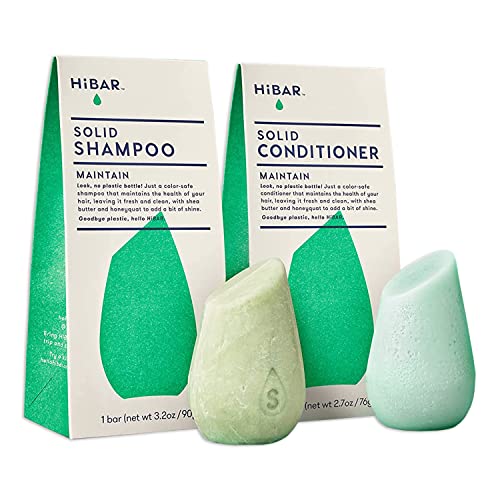
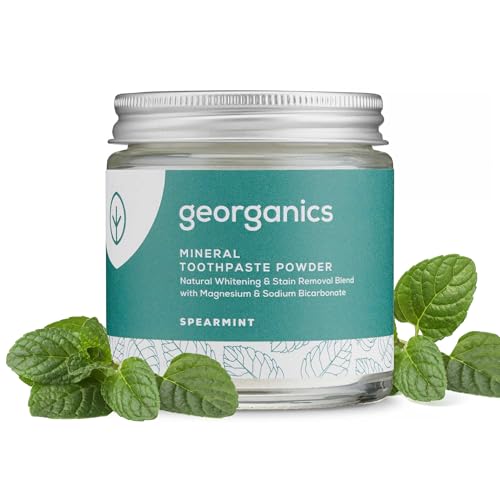
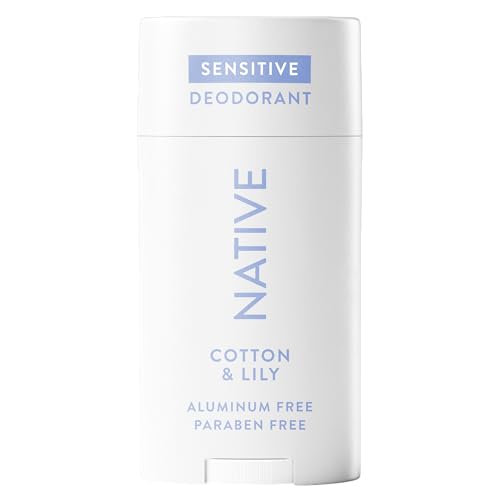
Watchdog picks
- B073Q8P6CQCheck on Amazon → ·
- B074ND5RDTCheck on Amazon → ·
- B0B7MKRR58Check on Amazon → ·
- Niagara Sleep Solution Ultra Soft Queen Size Mattress Topper - Rayon Derived froCheck on Amazon → ·
- 60W Adjustable Temperature Soldering Iron Kit - 9-in-1 With 5 Tips, Solder Wire Check on Amazon → ·
- B0014D3N0QCheck on Amazon → ·
- B08K3J4WX6Check on Amazon → ·
- LEVOIT Air Purifier for Home Allergies Pet Hair in Bedroom, Covers Up to 1073 ftCheck on Amazon → ·