Refillable Household Products Matter for Ocean Plastic Pollution
You want to reduce your household plastic waste and stop contributing to ocean plastic pollution—but it’s hard to know if picking refillable products really moves the needle or just reshuffles the waste. Beyond buzzwords, how do refillable household products tangibly reduce plastic pollution, and are there caveats to watch for? This article explains how refillables interact with plastic waste streams, clarifies cost and concentration trade-offs, and helps you choose refill options that genuinely cut ocean plastic pollution.
What is Ocean Plastic Pollution and Why Household Plastic Matters
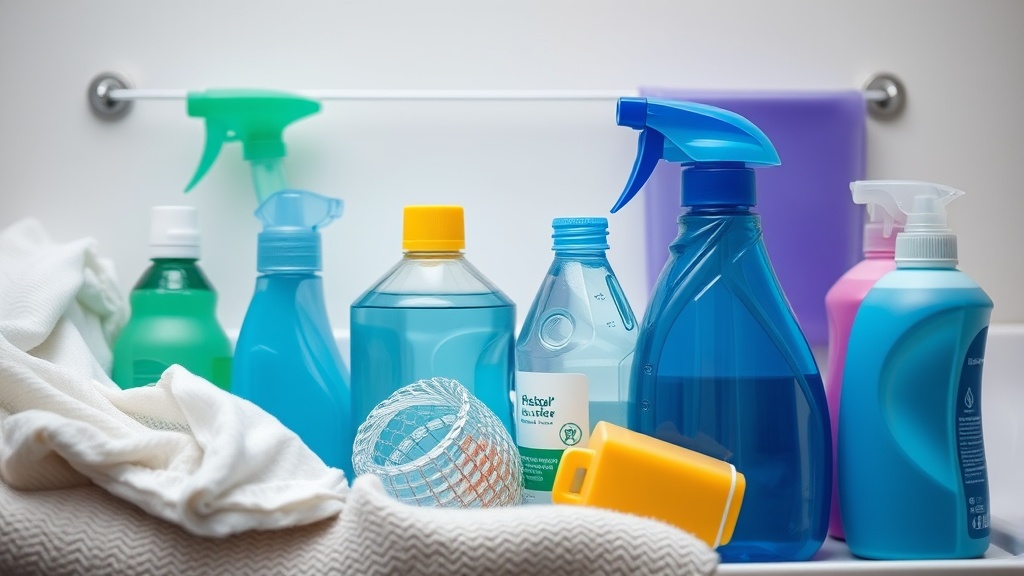
Ocean plastic pollution refers to the accumulation of plastic debris in marine environments—from large plastics to microplastics—that harms ecosystems and wildlife. Single-use plastics and poorly recycled packaging are major contributors. Household plastic products—like shampoo bottles, cleaning sprays, and detergent containers—make up a significant share of the plastic waste that often escapes recycling and ends up in waterways.
Though many think of plastic bags or fishing gear as the main ocean pollution sources, single-use or hard-to-recycle household containers are part of the persistent problem. These containers are often made from mixed plastics or combined materials, making them less likely to be recycled efficiently, thus increasing the chance plastic leaks into nature.
See also: Refillable Household Cleaners That Deliver Powerful Results
How Refillable Household Products Work to Cut Plastic Waste
Phone cases · 15% off first order
Galaxy Case Co.Built for Galaxy. Ready for impact. Code FIRST15GALRefillable household products usually fall into a few models:
- Concentrated refills in smaller, flexible pouches: These use less plastic overall and require dilution by the consumer.
- Compatible or brand-name cartridges and pods: Inserted into reusable bottles or dispensers that remain in use.
- Bulk refill stations: Consumers bring their containers to stores or refill at home with larger containers.
These systems aim to reduce plastic volume per use and promote reuse of durable packaging, thus cutting total plastic consumption and waste.
The Role of Concentration in Refillable Products
One key to refillable product effectiveness is concentration. Concentrated formulas require less plastic and transport weight because less water is included. However, concentration can be deceptive:
- If your household dilutes concentrate with water from a plastic bottle (e.g., bottled water), you might swap plastic waste rather than reduce it.
- Some brands or refill pouches may look small but require more frequent refills if the concentrate is weak, negating plastic savings.
- Highly concentrated refills that let you reuse a durable bottle multiple times show the most promise in cutting overall plastic use.
Cost Comparison: Brand-Name Bottles vs Refillable Refills
Phone cases · 15% off first order
Phone Case GiftFun finds for every vibe. Code FIRST15GIFTCost is a common concern. Many hesitate to switch to refillables over perceptions of price or convenience. But cost savings are often hidden behind upfront bottle purchase or concentrate management.
| Feature | Brand-Name Bottles | Refillable Concentrate Refills | Compatible Cartridges (Reusable Bottle) |
|---|---|---|---|
| Plastic Used Per Use | High (single use bottles) | Low (small pouches or sachets) | Medium (initial bottle + cartridges) |
| Packaging Recyclability | Often mixed plastics, low | Usually thin plastic, may be less recyclable | Bottle recyclable; cartridges vary |
| Ingredient Transparency | Varies, sometimes limited | Usually better due to concentrated nature | Depends on cartridge provider |
| Cost Per Use | Moderate to high | Often lower if diluted properly | Can be low if reused extensively |
| Ease of Use | High (ready to use) | Moderate (requires dilution) | High (plug and use) |
| Actual Plastic Waste Reduction | Low to moderate | High (less plastic overall) | Moderate to high depending on reuse |
| Potential for Ocean Pollution | High if not recycled correctly | Lower due to volume reduction | Lower if properly managed |
Key takeaway: Refillable concentrates usually reduce plastic waste the most, but only if you manage dilution properly and avoid adding plastic bottle water. Compatible cartridges hinge on user commitment to reuse original bottles multiple times.
When to Choose Refillable Products That Truly Reduce Ocean Plastic
1. Assess Your Household Use Patterns
If you use a lot of shampoo, body wash, or household cleaners, switching to refillables with concentrated formulas maximizes plastic saved. If your household rarely finishes a bottle, smaller single-use bottles might cause less waste.
2. Look for Durable, Reusable Bottles
Refillables only help if you avoid discarding the original container. Prioritize systems that enable many reuse cycles (20+ uses ideally), as this amortizes upfront plastic over time.
3. Avoid Plastic Bottled Water as Diluent
Diluting concentrates with tap water or a non-plastic source is key. Adding bottled water injects new plastic packaging, offsetting any refill benefits.
4. Check Ingredient Transparency
Some refill options provide complete ingredient disclosure, which helps ensure no hidden microplastics or biodegradable additives harm aquatic ecosystems.
5. Explore Local Bulk Refill Programs
In-store or co-op bulk refill stations reduce plastic by letting you reuse your own containers entirely. These systems often provide greater environmental benefits if logistics and access work for you.
Common Pitfalls and How to Avoid Them
Phone cases · 15% off first order
Phone Cases For AllCases that match your energy. Code FIRST15ALL- Buying refill pouches with complex, non-recyclable materials: These may not break down properly and could contribute to microplastic pollution if littered.
- Discarding reusable bottles due to labeling or odor: Clean and maintain bottles to extend life instead of replacing them.
- Overbuying bulk refills and letting products expire: Spoiled or unused liquid refills lead to waste of both product and container.
- Assuming all branded cartridges are environmentally better: Some cartridges still use single-use plastic; confirm how many refill cycles are intended.
- Not considering total lifecycle impacts: Refill products shipped internationally or requiring excess packaging can offset environmental gains.
Summary: How to Maximize Ocean Plastic Pollution Reduction with Refillable Household Products
Refillable household products have genuine potential to reduce ocean plastic pollution if chosen and used wisely. Concentration, packaging materials, reuse cycles, and clear ingredient labeling all affect outcomes. Here are the main steps:
- Shift to highly concentrated refill pouches or bulk refills to minimize plastic per use.
- Invest in durable, reusable bottles designed for multiple refill cycles.
- Use tap water or other non-plastic sources for dilution.
- Prioritize transparent ingredient lists to avoid hidden plastic pollutants.
- Avoid refill options with complicated, non-recyclable packaging or cartridges that are discarded after few uses.
- Support and participate in local bulk refill programs for zero-waste options.
- Dispose of or recycle any plastic packaging responsibly.
By consistently selecting refillable household products with these criteria, your household can reduce plastic waste entering the environment and ocean, while often saving money and simplifying product management.
Top Picks

Watchdog picks
- LEVOIT Air Purifier for Home Allergies Pet Hair in Bedroom, Covers Up to 1073 ftCheck on Amazon → ·
- B01N5Q9Q6JCheck on Amazon → ·
- Soldering Kit, 60W Soldering Iron, 110V Welding Kit with Ceramic Heater, PortablCheck on Amazon → ·
- Downy Fabric Softener Dryer Sheets, April Fresh, 120 CountCheck on Amazon → ·
- Brother HL-L2300D Monochrome Laser Printer with Duplex PrintingCheck on Amazon → ·
- B00WSAXBQ0Check on Amazon → ·
- Backcountry Iron 12 Inch Round Large Pre-Seasoned Cast Iron SkilletCheck on Amazon → ·
- ecodot 552 Pigment Ink Refill Ink Bottle Replacement for Epson 552 Ink Used for Check on Amazon → ·
Products in this guide
- Lodge Seasoned Cast Iron Skillet 6.5 Inches - PFAS-Free, Non-Toxic Cookware - Use with an Oven, Stove, Grill, or Campfire - Naturally Non-Stick & Oven SafeCheck on Amazon →
- Dawn Ultra Dish Soap, Original Scent, 75 fl oz (2-Pack)Check on Amazon →
- Scott 1000 Sheets Per Roll Toilet Paper, 36 RollsCheck on Amazon →
- Dr. Tobias Omega 3 Fish Oil 2000mg Triple Strength with 800mg EPA 600mg DHA Per Serving | Fish Oil Omega 3 Supplements for Heart Brain & Immune Support - 180 Softgels (90 Servings)Check on Amazon →