Why Refillable Household Products Are Ideal for Tiny Homes
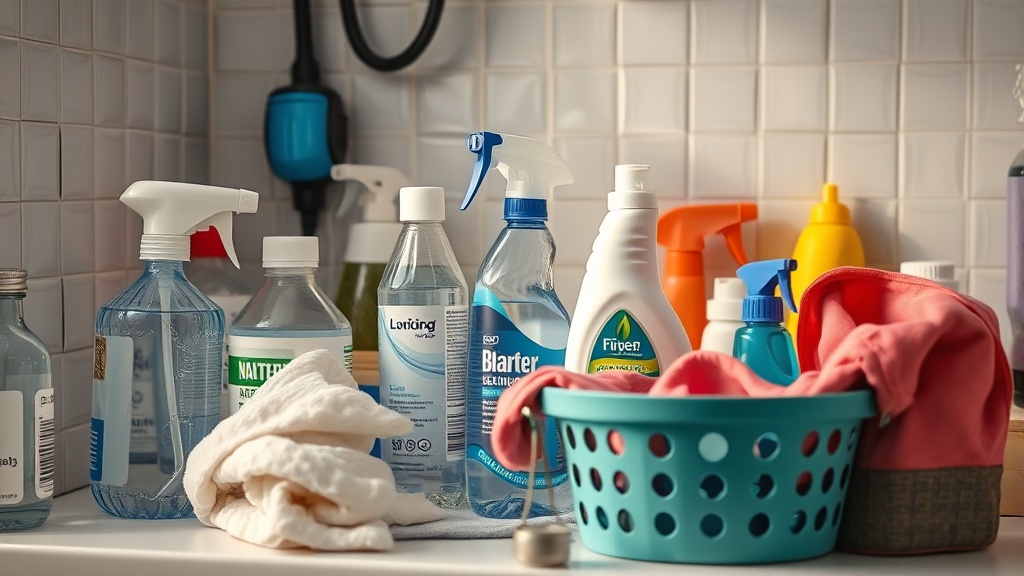
If you live in a tiny home, you know the unique challenge: limited space means every item you bring in must justify its footprint and waste impact. Bulky, single-use household products often take up more room than you can afford and create disproportionate waste. Refillable household products offer a smart, compact, and sustainable solution designed to save space, reduce plastic waste, and control costs—perfect for tiny living.
What Are Refillable Household Products?
Refillable products are packaged goods designed so you can buy smaller, concentrated refills or cartridges to replenish the product container you already own. Unlike disposable single-use containers, refillables separate durable packaging from consumable materials (such as cleaning liquids, personal care products, or detergents).
For example, you might purchase a sturdy bottle once, then buy concentrated refill pouches or cartridges to top it off. This approach helps you avoid cluttering your tiny home with multiple plastic containers while minimizing ongoing packaging waste.
Common refillable categories include:
- Cleaning supplies (all-purpose cleaners, dish soap)
- Personal care (shampoos, conditioners, lotions)
- Laundry detergents and fabric softeners
See also: How to Store and Use Refillable Products in Small Apartments
How Refillable Products Save Space in Tiny Homes
Phone cases · 15% off first order
Galaxy Case Co.Built for Galaxy. Ready for impact. Code FIRST15GALSpace efficiency is critical in tiny living — refillables help in several tangible ways:
- Reduced packaging volume: Concentrated refills often come in soft pouches or compact cartridges that take up a fraction of the space bulky bottles do.
- Fewer containers stored: Since you reuse the original bottle, you don’t store multiple empty or partially full plastic bottles.
- Simplified storage: Smaller refills fit easily on shelves, under sinks, or tucked in drawers without cluttering limited cupboards.
For example, a 16-ounce concentrate refill pouch might replace three 16-ounce bottles, shaving your storage needs by two-thirds.
Understanding Concentration Ratios: The Key to Refill Savings
Concentration ratio is the amount of product you get per ounce of liquid in a refill, often dramatically higher than bottled versions. For example, a single ounce of a concentrated refill liquid might be diluted to make 10 or more ounces of usable cleaner once mixed with water.
This concentration has two major benefits:
- Space Efficiency: You store and transport less water and packaging.
- Cost per Use: Concentrates often offer a lower effective price per use, as the packaging and shipping costs are spread over more product.
It’s essential to check the label or manufacturer info to understand the dilution ratio and calculate cost per use properly.
Cost Comparison: Refillable Versus Single-Use Bottles
Phone cases · 15% off first order
Phone Case GiftFun finds for every vibe. Code FIRST15GIFTTiny home dwellers often assume reusable or refillable means higher upfront costs. While the initial purchase of a high-quality reusable bottle or dispenser might be more than the typical single-use bottle, refill costs usually balance or outperform long term savings. Here’s an illustrative math comparison:
| Feature | Single-Use Bottle | Refillable with Concentrated Refill | Notes |
|---|---|---|---|
| Initial Bottle Cost | $3–$5 | $8–$12 | One-time cost for durable bottle |
| Refill Cost (per 16 oz) | $3–$5 | $1.50–$3 (concentrated) | Smaller, concentrated package |
| Packaging Waste (per 16 oz) | 1 Full Bottle | 1 Small Refill Pouch | Less plastic in refills |
| Shelf Space Needed | Larger Bottle | Smaller Pouch + 1 Bottle | Refill pouches stack efficiently |
| Cost Per Use (16 oz) | $3–$5 | $2–$3 | Typically cheaper with refills |
When you consider the long-term reuse of a sturdy bottle, refillables almost always reduce your per-use expense and environmental impact. This is especially true in tiny homes, where every ounce of saved space adds value.
Ingredient Transparency: Why It Matters for Refillables
One downside to some refills and concentrated products is less clear ingredient labeling compared to traditional brands. In a tiny home, you likely want to minimize chemical exposure and track ingredients for allergies or sensitivities.
Look for refillables that provide full ingredient transparency on packages or websites, ideally matching the formulations of the original bottled version. Avoid vague terms like “proprietary blend” when possible.
Many refill companies focus on simplified, plant-based ingredients—good for health and easier to evaluate in the small environments of tiny houses.
When and How to Use Refillable Household Products in Tiny Homes
Phone cases · 15% off first order
Phone Cases For AllCases that match your energy. Code FIRST15ALL- Start with frequently used items: Choose products you use daily and typically buy in multiples (shampoo, dish soap, hand soap).
- Buy a durable container: Prefer glass or sturdy BPA-free plastic bottles designed for long-term use and ease of cleaning.
- Purchase concentrated refills that fit your container: Many refill pouches or cartridges are brand or dispenser-specific, so compatibility matters.
- Dilute carefully: Follow manufacturer instructions for mixing concentrates with water to avoid wasting product or using a weaker solution.
- Store refills compactly: Stack pouches in a small bin or basket to prevent clutter.
- Repurpose and recycle responsibly: Some refill pouches require special recycling methods—check local facilities and recycle whatever you can.
Common Pitfalls of Refillable Household Products for Tiny Homes
- Compatibility Issues: Using third-party refills that don’t fit your bottle can lead to leaks or spills wasting product and space.
- Confusing Dilution Instructions: Over- or under-diluting can make your products ineffective or require more frequent refills.
- Initial Cost Barrier: Upfront purchase of refillable dispensers can feel expensive, but consider long-term value.
- Packaging Disposal: Some refill pouches combine plastic layers that are hard or impossible to recycle locally.
- Not All Refills Are Eco-Friendly: Some “refill” products use similar or even greater packaging than single-use bottles.
Comparison Table: Single-Use Bottles vs Refillable Products for Tiny Homes
| Feature | Single-Use Bottle | Refillable Product |
|---|---|---|
| Packaging Volume | Bulky, multiple large bottles | Compact refill pouches or cartridges |
| Waste Generated | Significant plastic after use | Minimal, when reusable bottle is kept |
| Storage Efficiency | Low, multiple bottles take space | High, one bottle + small refills |
| Cost per Use | Higher | Lower with concentrated refills |
| Ingredient Transparency | Usually clear | Varies; depends on brand |
| Convenience | Easy; just buy & toss | Requires mixing/dilution, reuse |
| Lifespan of Container | Single-use | Long-term, reusable |
| Best For | Homes with ample storage space | Tiny homes, limited space |
Final Thoughts
Choosing refillable household products in a tiny home isn’t just an environmental decision—it’s a practical space and cost-saving strategy. By switching to concentrated refills and reusing durable containers, you reduce clutter and waste while maintaining product effectiveness. Focus on ingredient transparency and make sure your refill system fits your home’s storage capacity and lifestyle for best results.
Top Picks

Watchdog picks
- WEP 927-IV Soldering Station Kit High-Power 110W with 3 Preset Channels, Sleep MCheck on Amazon → ·
- HQ Replacement Soldering Iron For Hakko FX-8801 FX-888D StationCheck on Amazon → ·
- B07F97MPYTCheck on Amazon → ·
- B07C11YW88Check on Amazon → ·
- B0B7MKRR58Check on Amazon → ·
- 280XXL 281XXL Ink for Canon Ink 280 281 Replacement for Canon TR8620 Ink CartridCheck on Amazon → ·
- B00FFJ0R1QCheck on Amazon → ·
- B01N7V39UOCheck on Amazon → ·