
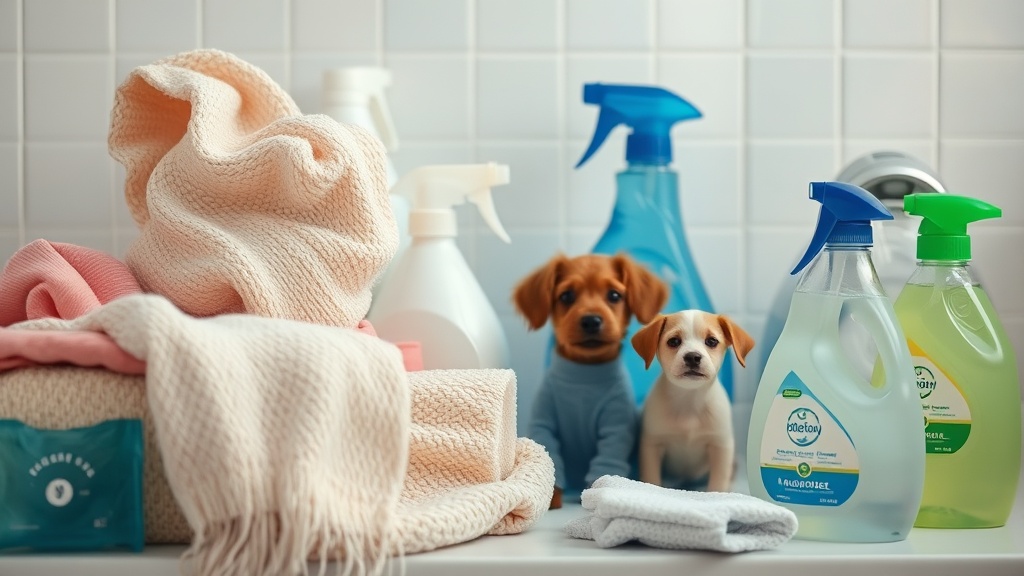
Why Refillable Cleaning Products Are Safer for Children and Pets
If you’re a parent or pet owner concerned about the chemicals and packaging in your cleaning supplies, you’re not alone. Accidental ingestion, harmful chemical exposure, and plastic waste are serious risks in homes with little ones and furry friends. Choosing refillable cleaning products is a practical step to reduce these dangers. This article breaks down why refillables are safer, how they function, when to choose them, and what common pitfalls to avoid.
See also: Refillable Household Cleaners That Deliver Powerful Results
What Are Refillable Cleaning Products?
Phone cases · 15% off first order
Galaxy Case Co.Built for Galaxy. Ready for impact. Code FIRST15GALRefillable cleaning products come in durable, reusable containers designed to be filled multiple times using concentrated refills or refill cartridges. Instead of buying a new full bottle each time — most of which are single-use plastic — you purchase smaller, often more concentrated refill packages intended solely to replenish the original container. Popular refills include detergents, all-purpose cleaners, dish soaps, and even fabric softeners.
How Refillable Cleaning Products Improve Safety for Children and Pets
1. Controlled Concentration and Use
Refillable products usually rely on concentrated formulas that are diluted with water in the reusable container. This means that the product you dispense through the original bottle is at an intended usage strength — typically milder than the industrial-strength concentrate.
- Reduced risk of chemical burns or irritation: Diluted solutions are less harmful if accidentally touched or licked by children or pets.
- Clear usage instructions: Since the refill concentrates are handled only by adults, there is less chance of children coming into contact with high-strength chemicals.
2. Improved Packaging Design and Safety
Refillable containers are often designed with child-resistant caps and more robust materials, making it harder for children to open. They also tend to have fewer small detachable parts compared to disposable bottles, reducing choking hazards.
- Thicker, opaque bottles: Limits visual appeal and curiosity for young children.
- Stable form factors: Less likely to spill or break when knocked over by pets.
3. Transparency and Ingredient Control
Focus on refillables from brands or suppliers that provide complete ingredient transparency allows parents and pet owners to better assess potential risks. Many concentrate refills explicitly exclude hazardous ingredients like ammonia, bleach, or certain fragrances known to irritate respiratory systems or skin.
- Easier to avoid allergens: Transparency lets you choose formulas safe for sensitive children or pets.
- Non-toxic labeling: Some refills carry third-party certifications for pet and child safety.
4. Less Plastic Waste, Less Environmental Harm
Though less directly linked to immediate child and pet safety, reducing plastic waste also benefits overall home health. Single-use plastics frequently break down into microplastics that contaminate the environment and indoor dust. By using refillables, you substantially cut the number of plastic bottles entering the waste stream.
- Fewer plastic bottles mean fewer toxins in the home environment.
- Safer disposal: Concentrated refills use less packaging and can often be recycled more effectively.
When to Choose Refillable Cleaning Products
Phone cases · 15% off first order
Phone Case GiftFun finds for every vibe. Code FIRST15GIFT- You have children under 10 years old: Walls of curious toddlers can include tasting or playing with cleaning bottles.
- Pets prone to licking or chewing bottles: Dogs and cats can knock over and chew plastic, ingesting residues.
- You want to reduce household chemical exposure: Refillable concentrates are usually designed to be diluted to safe usage levels.
- You want to contribute to less plastic waste: Refillables excel at reducing single-use packaging volume.
Common Pitfalls of Refillable Cleaning Products and How to Avoid Them
| Pitfall | Explanation | How to Avoid |
|---|---|---|
| Concentrate spills or accidental exposure | Handling concentrated refills unsafely can cause injury | Always handle refills in a well-ventilated space; wear gloves if needed |
| Mixing incompatible chemicals in refill bottles | Using refill containers for different products can cause dangerous reactions or void safety measures | Label containers clearly, and use each container for one product only |
| Misjudging dilution ratios | Incorrect mixing dilutions make products ineffective or unsafe | Follow manufacturer instructions carefully; measure precisely |
| Using refill containers past their lifespan | Old, scratched containers may harbor bacteria or degrade | Replace containers as recommended or if damaged |
| Refillable bottle design not child-resistant | Some refillables lack truly childproof caps | Choose refillables with certified child safety features |
Comparing Single-Use Bottles to Refillable Cleaning Products for Child and Pet Safety
Phone cases · 15% off first order
Phone Cases For AllCases that match your energy. Code FIRST15ALL| Feature | Single-Use Bottles | Refillable Cleaning Products |
|---|---|---|
| Chemical Concentration | Use-ready strength, often strong | Diluted by design, safer for casual contact |
| Packaging Materials | Thin plastic, easily broken or chewed | Durable, thicker plastic with child-resistant caps |
| Refill Exposure | None; only exposure is to use-ready product | Exposure to concentrate during refill — requires adult supervision |
| Ingredient Transparency | Variable; often limited labeling | Typically better transparency from concentrated refills |
| Plastic Waste | High; one bottle per use | Low; reusable containers reduce plastic usage |
| Ease of Storage and Safety | Simpler, but many bottles are identical and eye-catching for children | Usually larger, more robust, but needs clear labeling |
Practical Tips for Safer Use of Refillable Cleaning Products Around Kids and Pets
- Keep refills out of reach: Concentrated refills should always be stored high or locked away.
- Clearly label all refill bottles: Use permanent labels with product type and dilution details.
- Use child-resistant caps: Always engage these caps properly and regularly check seals.
- Educate family members: Make sure everyone knows why refillables are safer but still require caution.
- Avoid strong fragrances: They can irritate children and pets even at diluted concentrations.
- Follow mixing instructions diligently: Proper dilution is critical for safety and effectiveness.
- Consider scent-free or hypoallergenic options: Safer for sensitive skin and respiratory systems.
Top Picks



Watchdog picks
- B001E10B9ICheck on Amazon → ·
- Dr. Tobias Omega 3 Fish Oil 2000mg Triple Strength with 800mg EPA 600mg DHA Per Check on Amazon → ·
- Astra Platinum Double Edge Safety Razor Blades,100 Blades (20 x 5)Check on Amazon → ·
- B01N5Q9Q6JCheck on Amazon → ·
- 280XXL 281XXL Ink for Canon Ink 280 281 Replacement for Canon TR8620 Ink CartridCheck on Amazon → ·
- B07Q5J5XJLCheck on Amazon → ·
- B00FFJ0R1QCheck on Amazon → ·
- B07ZPSFVX5Check on Amazon → ·
Products in this guide
- Stargazer 10.5-Inch Cast Iron Skillet | Made in USA, Seasoned, Premium Frying Pan for Grilling, Searing, Baking & More – Durable Cast Iron with Smooth Cooking SurfaceCheck on Amazon →
- B00063RWT8Check on Amazon →
- Lodge Seasoned Cast Iron Skillet 6.5 Inches - PFAS-Free, Non-Toxic Cookware - Use with an Oven, Stove, Grill, or Campfire - Naturally Non-Stick & Oven SafeCheck on Amazon →
- B000H0XFCSCheck on Amazon →