Best Water Filter Pitchers: A Cost-Per-Gallon Comparison

By Dana Wolff · Editor, RefillWatch
Published May 28, 2026
RefillWatch is reader-supported. When you buy through links on our site, we may earn an affiliate commission at no cost to you. This helps us keep an eye on those creeping prices.
Best Water Filter Pitchers: A Cost-Per-Gallon Comparison
Bottled water seems cheap at first glance, especially when you grab a case on sale. But the cost adds up, and the plastic waste is a real problem. A reusable water bottleAmazon → is part of the solution, but what about the water you fill it with? Tap water is often fine, but many people prefer filtered water for taste or purity concerns. That’s where water filter pitchers come in. They offer a convenient way to filter water at home, but are they truly cost-effective?
We break down the cost per gallon of filtered water from different water filter pitchers, factoring in the initial purchase price and the ongoing cost of filter replacements. You might be surprised by what we found!
Calculating Cost Per Gallon: The Real Numbers
The sticker price of a water filter pitcher is only the beginning. To get a true picture of the cost, you need to consider these factors:
- Initial Pitcher Cost: This is the upfront expense of buying the pitcher itself.
- Filter Lifespan: How many gallons of water can each filter process before it needs replacing? This varies widely depending on the filter type and the water quality.
- Filter Replacement Cost: The price of replacement filters. Look for bundled deals to save money.
- Pitcher Capacity: How much filtered water does the pitcher hold at a time? This doesn’t directly affect cost per gallon, but it impacts convenience.
Let’s walk through how to calculate the cost per gallon:
- Determine Filter Lifespan (Gallons): This information is usually printed on the filter packaging or in the product description.
- Calculate Filter Cost Per Gallon: Divide the cost of a replacement filter by its lifespan in gallons. For example, if a filter costs $10 and lasts for 40 gallons, the cost per gallon is $10 / 40 = $0.25.
- Factor in Initial Pitcher Cost: Estimate how many gallons of water you expect to filter with the pitcher over its lifetime. Let’s say you plan to use the pitcher for two years, filtering 2 gallons of water per day. That’s 2 gallons/day * 365 days/year * 2 years = 1460 gallons.
- Divide the Pitcher Cost by Total Gallons Filtered: Divide the initial pitcher cost by the estimated total gallons filtered. If the pitcher cost $30, then the cost per gallon from the pitcher itself is $30 / 1460 gallons = $0.02 (approximately).
- Add Filter Cost Per Gallon and Pitcher Cost Per Gallon: This gives you the total cost per gallon. In our example, $0.25 (filter) + $0.02 (pitcher) = $0.27 per gallon.
Example: Brita Standard Filter Pitcher
Let’s apply this to a popular option, the Brita Standard filter pitcher.
- Initial Pitcher Cost: Around $20 - $30 (prices vary). Let’s assume $25.
- Filter Lifespan: Brita Standard filters are typically rated for 40 gallons.
- Filter Replacement Cost: A single Brita Standard filter costs around $8 - $12. A pack of 3 might cost $24 - $30. Let’s assume $10 per filter when buying in bulk.
- Pitcher Capacity: About 6-10 cups (0.375 - 0.625 gallons).
Using the same assumptions as before (2 gallons filtered per day for two years, totaling 1460 gallons):
- Filter Cost Per Gallon: $10 / 40 gallons = $0.25 per gallon.
- Pitcher Cost Per Gallon: $25 / 1460 gallons = $0.017 (approximately $0.02) per gallon.
- Total Cost Per Gallon: $0.25 + $0.02 = $0.27 per gallon.
Bottled Water Cost Comparison
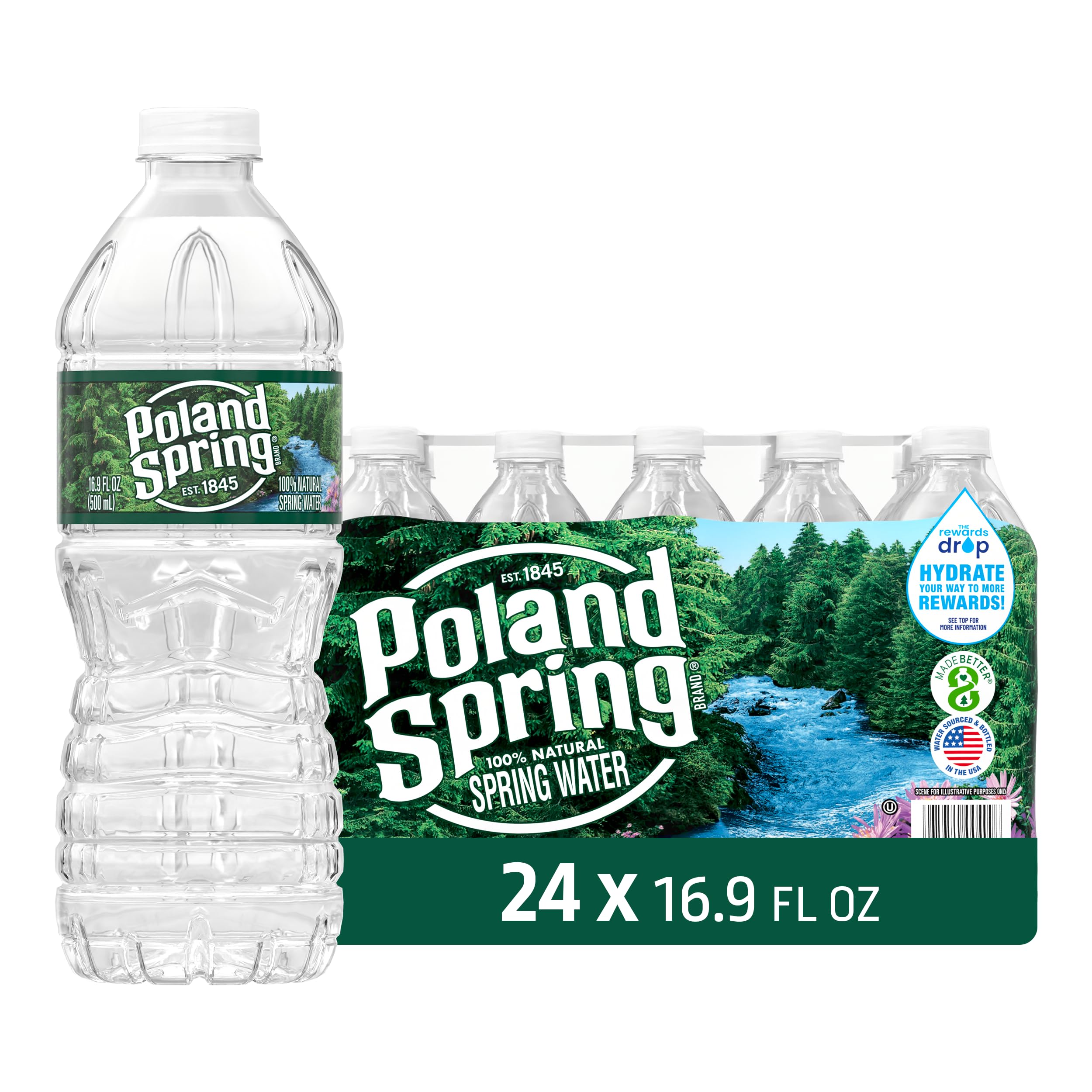
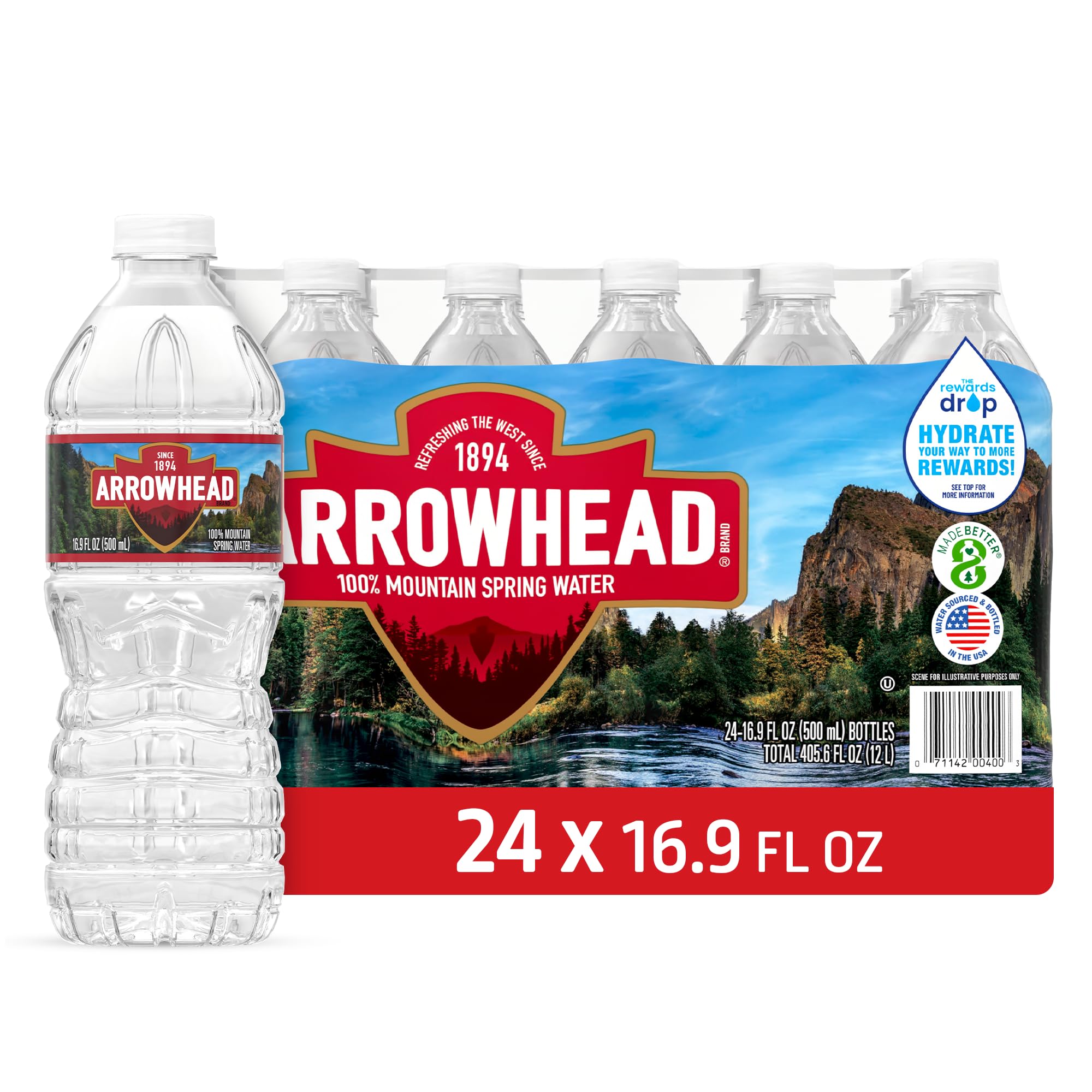
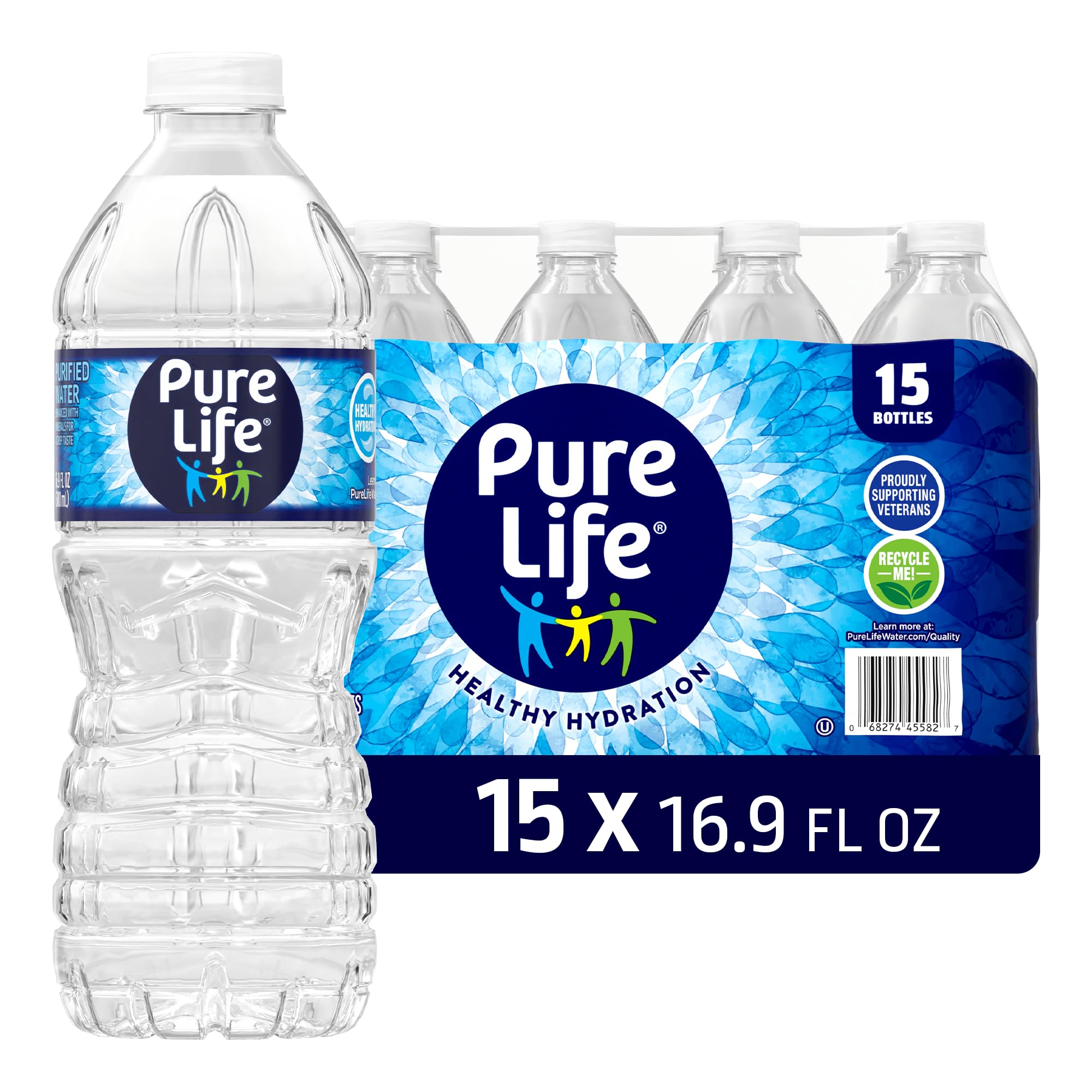
How does this compare to bottled water? A 24-pack of bottled water (16.9 oz bottles) typically costs around $4 - $6 ([/products/b00061capg-poland-spring-maine-spring-water-bottles-24-pack-crisp-still/], [/products/b000r5nrpi-arrowhead-mountain-spring-water-bottles-24-pack-still-bottle/], [/products/b00lxmd998-pure-life-purified-water-bottles-15-pack-still-bottled-water/]). That’s approximately 3.17 gallons. Let’s assume a price of $5 for 3.17 gallons.
Cost per gallon of bottled water: $5 / 3.17 gallons = $1.58 per gallon (approximately).
In this example, using a Brita Standard filter pitcher is significantly cheaper than buying bottled water – around $0.27 per gallon vs. $1.58 per gallon.
Comparing Different Filter Technologies
Not all water filter pitchers are created equal. Different filter technologies offer varying levels of filtration and have different lifespans and costs.
Activated Carbon Filters
This is the most common type of filter found in water filter pitchers. Activated carbon filters effectively remove chlorine, taste, and odor from tap water. They also reduce some contaminants like sediment, rust, and some organic compounds. However, they don’t remove fluoride or heavy metals. Brita Standard filters fall into this category.
Ion Exchange Filters
Ion exchange filters work by exchanging ions (charged particles) in the water with ions on the filter material. This can help reduce heavy metals like lead and mercury, as well as hardness minerals that cause scale buildup. Some Brita filters, like the Brita Longlast filter, use ion exchange technology in addition to activated carbon.
Reverse Osmosis (RO) Filters
Reverse osmosis is a more advanced filtration method that uses pressure to force water through a semi-permeable membrane. This removes a wide range of contaminants, including fluoride, lead, arsenic, and many others. RO systems are typically more expensive than pitcher filters and require plumbing connections, but countertop RO systems are available. These can be a cost-effective alternative to bottled water in the long run, but have a higher initial investment.
Filter Lifespan & Cost Considerations
- Longer Lifespan Filters: Filters like the Brita Longlast claim to filter up to 120 gallons. While the individual filter might cost more, the cost per gallon can be lower than standard filters if you actually use all 120 gallons before the filter’s effectiveness diminishes. Water quality plays a significant role here.
- Generic Filters: Many aftermarket filters claim to be compatible with popular pitcher brands like Brita and PUR. These can be significantly cheaper, but quality can vary. Read reviews carefully before purchasing generic filters, and be aware that using them may void the pitcher’s warranty.
- Subscription Services: Some companies offer subscription services that automatically ship replacement filters at regular intervals. This can be convenient, but make sure the price is competitive and that you can easily adjust or cancel the subscription.
Smart Strategies to Minimize Costs
Beyond choosing the right filter pitcher, here are some strategies to further reduce your cost per gallon:
- Buy Filters in Bulk: As mentioned earlier, buying multi-packs of replacement filters usually offers a lower price per filter.
- Track Filter Usage: Mark the filter replacement date on your calendar or use a reminder app to ensure you replace the filter on time. Using a filter beyond its recommended lifespan can compromise water quality.
- Consider Water Quality: If you know your tap water is heavily contaminated, you might need a more advanced filtration system, which will likely cost more upfront. However, it could be necessary for your health and well-being. If your water is already relatively clean, a basic activated carbon filter might suffice, saving you money.
- Clean the Pitcher Regularly: This prevents the buildup of bacteria and mold, which can affect water quality and taste. Follow the manufacturer’s instructions for cleaning.
- Don’t Overfill: Only fill the pitcher with the amount of water you need to avoid wasting filtered water.
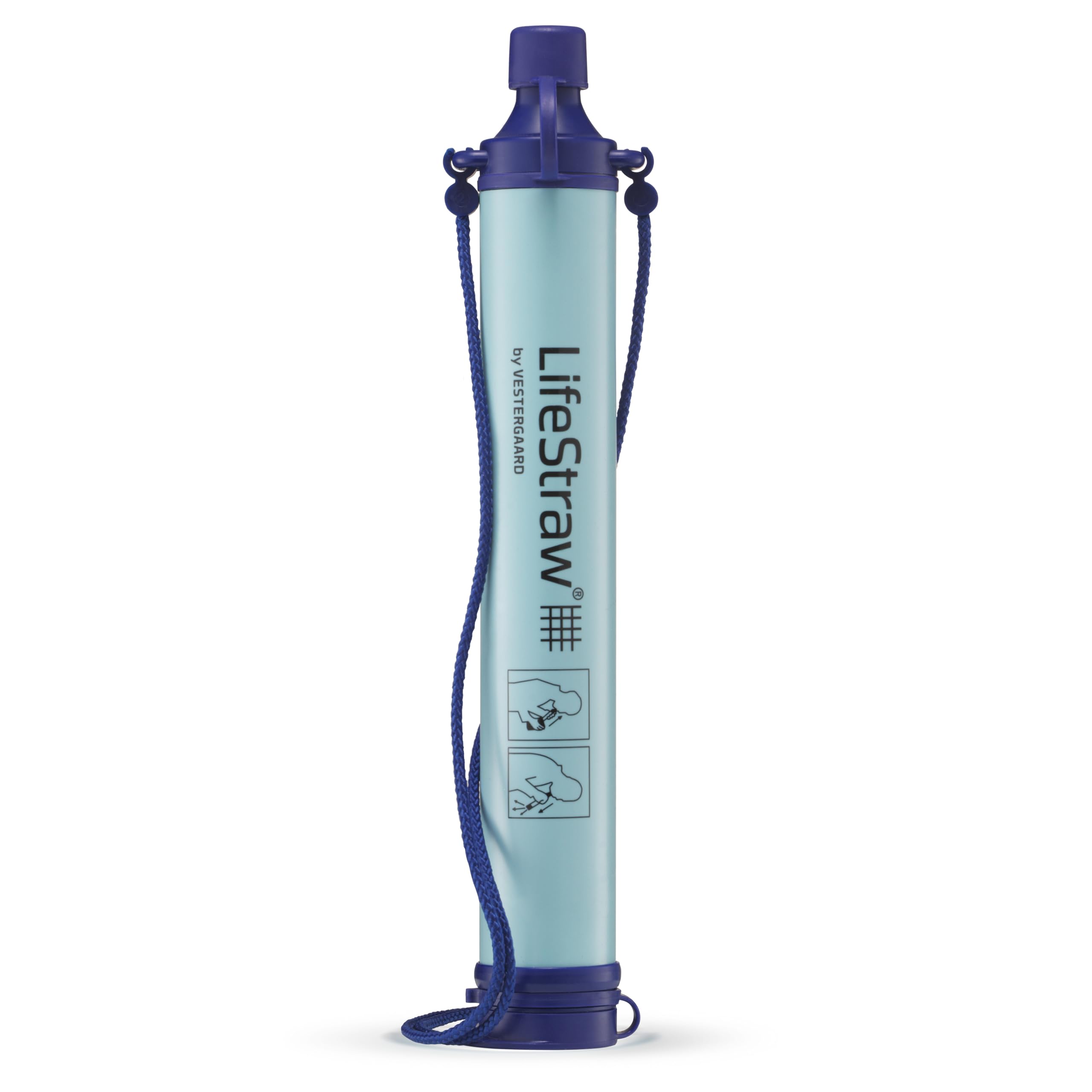
- Evaluate Alternatives: For occasional use, a portable water filter like a LifeStraw ([/products/b006qf3tw4-lifestraw-personal-water-purifier-for-hiking-camping-travel/]) might be sufficient. For a whole-house solution, consider a whole-house water filter, although these have a higher initial cost.
By carefully considering the factors outlined above and implementing these cost-saving strategies, you can enjoy the benefits of filtered water without breaking the bank. A water filter pitcher is often a smart investment, both for your wallet and the environment, compared to relying solely on bottled water.
Featured in this article
Shop the picks mentioned above
We earn a small commission if you buy through these links, at no extra cost to you.