Using Refillable Concentrates to Maximize Plastic Waste Reduction
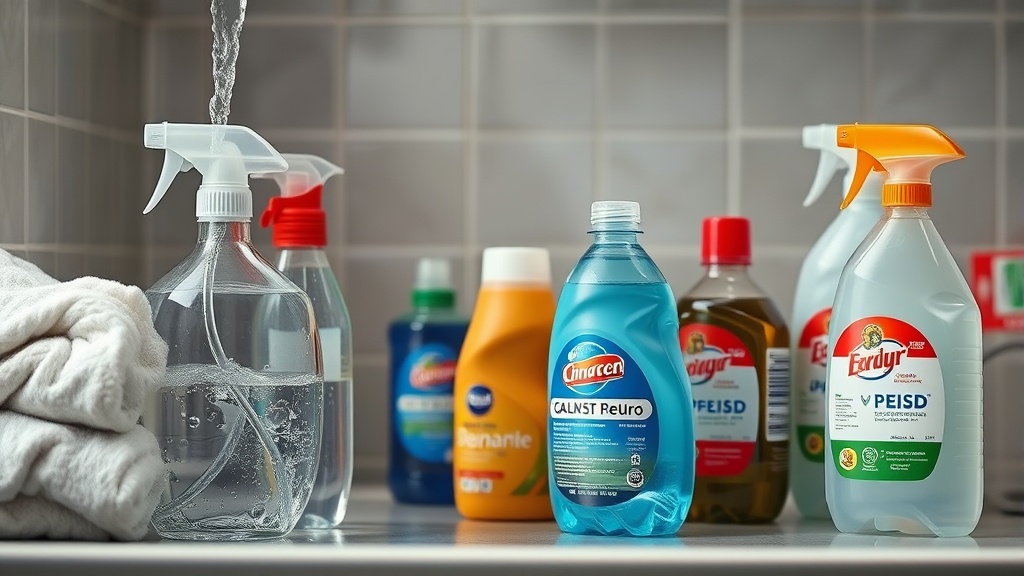
If you’re committed to cutting down on single-use plastic but feel overwhelmed by the vast array of products claiming to be “refillable” or “eco-friendly,” you’re not alone. Many households want to reduce plastic waste but struggle to separate genuine sustainability from marketing buzz. One of the most effective strategies for lowering your plastic footprint is switching to refillable concentrates for household products—from cleaning supplies to personal care items. This article breaks down how refillable concentrates work, why their concentration ratios matter, and how to evaluate their real environmental and economic benefits.
See also: Refillable Household Products That Reduce Carbon Footprint Significantly
What Are Refillable Concentrates?
Phone cases · 15% off first order
Galaxy Case Co.Built for Galaxy. Ready for impact. Code FIRST15GALRefillable concentrates are highly concentrated forms of household products (like detergents, hand soaps, shampoos, or all-purpose cleaners) designed to be diluted with water at home. Instead of buying bulky single-use plastic bottles filled with water-heavy liquids, you purchase a small concentrate container and mix it into a reusable bottle, dramatically reducing the volume of plastic you throw away.
How Refillable Concentrates Work: The Role of Concentration Ratios
The effectiveness of a refillable concentrate depends largely on its concentration ratio — the amount of product you get after dilution compared to the volume of concentrate you buy. For example, a concentrate with a 10:1 ratio means one liter of concentrate makes ten liters of usable product after dilution. Higher concentration ratios mean less plastic waste per use since you replace just the small concentrate container instead of multiple large single-use bottles.
Concentration Ratio and Plastic Waste Reduction
- Higher ratio = less waste: If a concentrate’s ratio is 20:1, you’re discarding one 500ml container instead of twenty 500ml bottles.
- Shipping impact: Smaller containers mean less shipping volume and related emissions.
- Reusable bottle life: Ideally, the reusable bottles you refill should be durable and designed to last many refill cycles.
When to Use Refillable Concentrates
Phone cases · 15% off first order
Phone Case GiftFun finds for every vibe. Code FIRST15GIFTRefillable concentrates work best in households already committed to strategic refilling and willing to do a little manual mixing. Suitable household products include:
- Laundry detergents: Some of the highest volume plastic waste sources.
- All-purpose cleaners: Commonly bought in large plastic bottles.
- Hand soaps and shampoos: With simple water dilution, these are easy to switch.
- Dishwashing liquids: Both manual and certain dishwasher pods can be replaced.
Using concentrates makes sense when you:
- Have consistent demand for the product to justify reusable bottles.
- Prefer to buy in bulk less often.
- Want transparent control over ingredients (some refill concentrates provide clearer ingredient panels).
- Are ready to balance upfront effort (measuring/diluting) for long-term waste reduction.
Common Pitfalls to Avoid with Refillable Concentrates
- Misleading ‘refill’ claims: Not all products labeled “refillable” reduce plastic significantly. For example, brand-name refill pouches often use flexible plastic that’s hard or impossible to recycle effectively.
- Low concentration ratios: A concentrate with a ratio close to 1:1 offers minimal plastic waste savings.
- Ingredient transparency: Some refillables may use vague ingredient lists, making it hard to evaluate safety or environmental impact.
- Compatibility issues: Brand-specific reusable bottles may lock you into buying their refills, reducing flexibility and cost savings.
- Cost vs. convenience: Some concentrates save waste but can be more time-consuming or complicated, reducing user satisfaction.
Cost Comparison: Refillable Concentrates vs Single-Use Bottles
Phone cases · 15% off first order
Phone Cases For AllCases that match your energy. Code FIRST15ALLCost-effectiveness depends on concentration ratio, pricing per volume, and bottle reusability. Below is a simplified example comparing hypothetical refill approaches.
| Feature | Single-Use Bottle | Brand-Name Concentrate | Third-Party Concentrate |
|---|---|---|---|
| Typical Concentration Ratio | 1:1 | 10:1 | 20:1 |
| Plastic Waste Per Use | 500ml plastic per 500ml product | 50ml plastic per 500ml product | 25ml plastic per 500ml product |
| Price Per Liter* | $4.00 | $35.00 (concentrate) | $30.00 (concentrate) |
| Effective Cost Per Use** | $2.00 | $3.50 | $1.50 |
| Ingredient Transparency | Usually clear | Varies, often clear | Varies, may be clearer |
| Bottle Reusability | No | Yes | Yes |
* Prices approximate retail costs.
** Calculated based on dilution ratios and typical reuse cycles.
Interpretation: Although brand-name concentrates often feel expensive upfront, they come with reusable bottles and higher product concentration. Third-party concentrates can provide even better cost-per-use and plastic savings but check ingredient clarity and bottle compatibility.
How to Maximize Your Plastic Waste Reduction Using Refillable Concentrates
1. Choose Durable Reusable Bottles
Look for reusable bottles that are well-made and designed for multiple refills without deterioration. Glass or high-quality PET bottles with durable pumps or caps are ideal.
2. Evaluate Concentration Ratios
Prioritize concentrates with higher ratios (at least 10:1 or above). This not only reduces plastic waste but also lowers shipping pack volume.
3. Check Ingredient Transparency
Choose concentrates with fully disclosed ingredients so you can verify safety for your household and environmental friendliness.
4. Consider Third-Party or Compatible Concentrates
Some third-party concentrates can fit brand or generic reusable bottles at lower cost, increasing savings and flexibility. Just verify dosage instructions carefully.
5. Plan Your Purchase Volume to Avoid Waste
Buy quantities that match your household’s usage patterns to avoid product expiration or unused leftover concentrates.
6. Practice Safe Dilution and Storage
Follow the manufacturer’s dilution instructions precisely for product performance and safety. Store concentrated liquids away from children and pets.
7. Dispose or Recycle Concentrate Containers Responsibly
Even small concentrate containers should be recycled properly when empty. Check local recycling codes and programs.
Summary: Which Refillable Concentrate Setup Is Right for You?
| Scenario/Goal | Recommended Approach | Notes |
|---|---|---|
| Maximize plastic waste cut | Third-party concentrate + reusable bottle | High concentration ratios, best plastic savings |
| Highest convenience | Brand-name concentrates with matching bottles | Easier mixing, but slightly higher cost |
| Ingredient transparency focus | Look for concentrates with full open ingredient lists | Safer and more environmentally clear |
| Beginners starting small | Single-brand concentrate starter kits | Simple to use, moderate waste reduction |
Top Picks


Watchdog picks
- B07YPR2DGHCheck on Amazon → ·
- B07D5DN269Check on Amazon → ·
- B074ND5RDTCheck on Amazon → ·
- WEP 926LED V3 Soldering Station 130W MAX Soldering Iron Kit with Solder Wire, 5 Check on Amazon → ·
- Fanttik T1 Max Soldering Iron Kit, Cordless Soldering Iron, 7 Seconds Fast HeatiCheck on Amazon → ·
- B01N7V39QJCheck on Amazon → ·
- B01N4QAK9OCheck on Amazon → ·
- Backcountry Iron 12 Inch Round Large Pre-Seasoned Cast Iron SkilletCheck on Amazon → ·
Products in this guide
- BIODANCE Bio-Collagen Real Deep Mask, Hydrating Overnight Hydrogel Face Mask, Pore Minimizing, Elasticity, Plumping, Travel Essentials & Self Care Gifts for Women, Korean Skin Care | 1.19oz(34g) x 4eaCheck on Amazon →
- Dawn Ultra Dish Soap, Original Scent, 75 fl oz (2-Pack)Check on Amazon →
- Niagara Sleep Solution Ultra Soft Queen Size Mattress Topper - Rayon Derived from Bamboo Pillow Top Mattress Pad for Back Pain Relief - Naturally Cooling for Hot Sleepers, GreenCheck on Amazon →
- 280XXL 281XXL Ink for Canon Ink 280 281 Replacement for Canon TR8620 Ink Cartridges High Page Yield Work for PIXMA TR8620 TR8620A TR7520 TS8220 TS6120, 6 Pack PGBK/PB/Black/Cyan/Magenta/YellowCheck on Amazon →