Choosing a refillable hand sanitizer that genuinely reduces single-use plastic waste can be confusing. Many products claim eco-friendliness but don’t move far beyond swapping one plastic container for another, sometimes even more complex or less recyclable packaging. Households looking to cut down on plastic waste want clear guidance on which refillable hand sanitizers are actually better for the environment, how ingredient transparency affects your refill options, and whether the cost savings after refills are worth it.
This article breaks down the key factors to consider when selecting refillable hand sanitizers, practical ways to estimate cost and waste reduction, and which types of refill systems truly minimize single-use plastic.
What Are Refillable Hand Sanitizers?
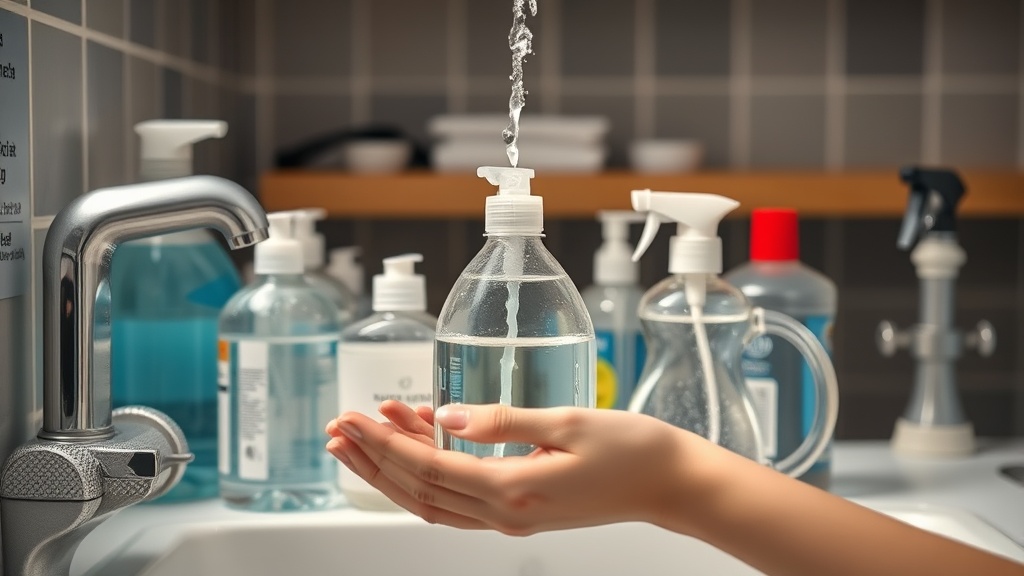
Refillable hand sanitizers use packaging designed to be reused multiple times. Instead of tossing out a full plastic bottle after a single use, you refill your sanitizer container from a bulk supply or smaller refill pouch. This approach can cut the number of individual plastic bottles entering the waste stream, especially if the refill packaging is smaller, uses less plastic, or is made of more recyclable materials.
Types of refillable hand sanitizer packaging include:
- Pump bottles with bulk refill pouches: Refill only the pump container, disposing less plastic by volume.
- Cartridge-based dispensers: Snap-in cartridges replace fully empty bottles, sometimes compatible with third-party refills.
- Concentrated liquids to dilute: Buy sanitizer concentrate in bulk, mix with water, and fill reusable bottles at home.
However, not all refillable claims are equal, and some can still generate substantial waste or have environmental trade-offs tied to plastic mix, recycling access, or chemical content.
See also: Best Refillable Fabric Softener Options Without Plastic Bottles
How Refillable Hand Sanitizers Reduce Single-Use Plastic
Phone cases · 15% off first order
Galaxy Case Co.Built for Galaxy. Ready for impact. Code FIRST15GALThe primary goal is to reduce the total plastic generated per unit of sanitizer used. Factors that influence actual plastic savings:
-
Concentration Ratio
Concentrated formulas require less packaging per use because you dilute the product yourself or use more gel per unit volume. A sanitizer with a 10x concentrate reduces packaging volume drastically compared to ready-to-use liquids. -
Refill Packaging Weight and Material
Refill pouches or boxes tend to use less plastic than bottles, but multi-layer laminates can be harder to recycle. Look for pouches with clear recycling labels or materials accepted in your local program. -
Durability and Reusability of the Container
The more refills you get from one durable bottle, the better the waste reduction — but consider if the bottle itself is made from more sustainable plastic like PCR (post-consumer recycled) resin. -
Compatibility of Refills
Some brands lock you into proprietary cartridges or bottles. Third-party refill options or concentrates can stretch your container’s life and lower waste.
Comparing Different Refillable Hand Sanitizer Systems
| Feature | Pump Bottle + Bulk Pouch | Cartridge Dispenser + Brand Cartridge | Concentrate + DIY Mixing |
|---|---|---|---|
| Plastic Use per Refill | Moderate plastic reduction; pouches use less plastic than bottles but vary | Higher plastic when cartridges aren’t recycled properly | Lowest plastic per use if mixing at home |
| Ingredient Transparency | High, usually labeled for bulk refills | Variable; proprietary formulas less transparent | High, since you handle concentrate and water separately |
| Cost Savings over Time | Moderate; refills cheaper than full bottles | Variable, may be higher cost due to cartridge pricing | Best cost savings due to dilution |
| Ease of Use | Easy refill process, pump stays | Convenient snap in cartridge, less mess | Requires measuring and mixing; initial setup higher |
| Environmental Trade-offs | Potential recycling issues with laminated pouches | Potential plastic waste if cartridges unrecyclable | Dependence on water quality, mixing accuracy |
| Best For | Households wanting simple refills and reduced plastic | Users wanting convenience and brand loyalty | Eco-conscious users willing to DIY and save money |
Ingredient Transparency and Health Considerations
Phone cases · 15% off first order
Phone Case GiftFun finds for every vibe. Code FIRST15GIFTWhen shifting to refillable sanitizers, ingredient transparency matters. Some bulk or third-party refills may have different alcohol concentrations, additives, or preservatives. Look for at least 60-70% alcohol by volume (isopropyl or ethanol) for effective sanitizing, per CDC guidelines.
Beware of products with confusing ingredient lists or bundled additives that could irritate skin or cause allergic reactions, especially if you top up your bottle from different refill sources.
Calculating Refill Cost Savings and Environmental Impact
To assess whether refilling saves money and plastic, perform a simple evaluation:
-
Calculate Cost per Use
- Price of full bottle / number of uses per bottle = cost per use
- Price of refill pouch or concentrate / number of uses = refill cost per use
-
Calculate Plastic Waste per Use
- Weight of bottle or bottle + label + pump (grams) / number of uses
- Weight of refill packaging (simpler pouches) / refill quantity, multiply by number of refills
-
Compare Total Cost and Waste Across a Year
Calculate annual plastic saved by switching to refill vs. single-use bottles, multiplied by your household sanitizer frequency.
Even small reductions per use add up with regular sanitizer use, so refills can yield meaningful plastic waste drops.
Common Pitfalls When Using Refillable Hand Sanitizers
Phone cases · 15% off first order
Phone Cases For AllCases that match your energy. Code FIRST15ALL-
Refill Packaging Recycling Confusion
Laminated refill pouches are lightweight but often not recycled locally. Check your local recycling facility’s accepted materials. -
Compatibility Issues
Brand lock-in may reduce refill options and increase costs long term. -
Concentration Confusion
Using concentrate requires accurate water measurement or risk of weak or overly harsh sanitizer. -
Ingredient Variances
Mixing brands or buying third-party refills with different formulas can affect sanitizer effectiveness or user experience. -
Pump Durability
Some pump bottles fail or break before you reach many refills, undermining sustainability.
Practical Tips for Choosing and Using Refillable Hand Sanitizers
-
Prioritize concentrated formulas or true bulk refills in simpler packaging — This reduces plastic volume per use and often lowers cost.
-
Look for clear ingredient labels, especially alcohol concentration — Effective sanitizer needs at least 60% alcohol.
-
Check local recycling options for your refill packaging — Choose materials your area collects to avoid landfill.
-
Invest in durable pump bottles rated for many refills — Plastic quality matters to maximize reuse.
-
Consider cost vs. convenience trade-offs — If a cartridge system is easier for your household, accept possible higher cost if plastic gains are significant.
-
Avoid mixing multiple refill brands in one bottle — Stick with one product line to maintain safety and efficacy.
Top Picks

Watchdog picks
- Backcountry Iron 12 Inch Round Large Pre-Seasoned Cast Iron SkilletCheck on Amazon → ·
- Niagara Sleep Solution Ultra Soft Queen Size Mattress Topper - Rayon Derived froCheck on Amazon → ·
- B09DV14ZZLCheck on Amazon → ·
- Toner Kingdom Compatible Toner-Cartridge Replacement for Canon 054H 054 High YieCheck on Amazon → ·
- B08PDHVZ4NCheck on Amazon → ·
- B07P5Y5QHGCheck on Amazon → ·
- B07Q5J5YXVCheck on Amazon → ·
- Soldering Kit, 60W Soldering Iron, 110V Welding Kit with Ceramic Heater, PortablCheck on Amazon → ·