
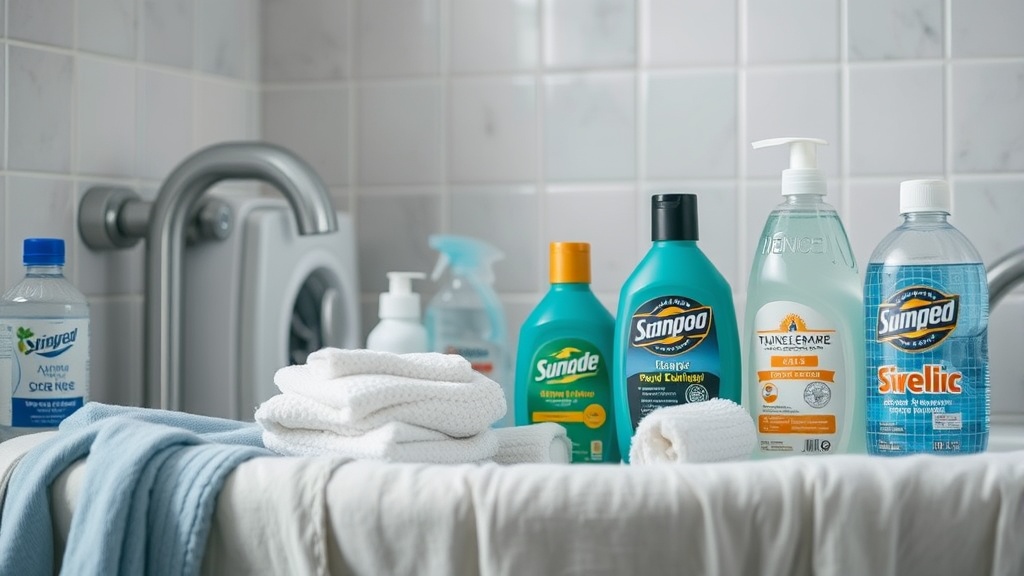
Eco-conscious consumers face a common dilemma: how to reduce single-use plastic waste from shampoo bottles without sacrificing convenience, cost-effectiveness, or ingredient transparency. Many brands offer “refillable” shampoos, but not all refill systems or formulations deliver the waste reduction or value they promise. This review breaks down the top eco-friendly refillable shampoo options, considering their actual environmental impact, cost benefits, and key ingredient factors.
What Is a Refillable Shampoo Brand?
A refillable shampoo brand typically provides a container that can be reused multiple times, along with refills that come as smaller bottles, pouches, cartridges, or concentrate pods. The goal is to reduce packaging waste, especially single-use plastic, by encouraging consumers to keep and reuse the same primary bottle.
However, the effectiveness of a refill system depends heavily on how much plastic and packaging is saved per refill, whether the refills are compatible with multiple bottle sizes, and if concentrate refills allow for less water and plastic shipping overhead.
See also: Refillable vs Disposable Cotton Rounds: Which Is More Sustainable?
How Eco-Friendly Refill Shampoo Systems Work
Phone cases · 15% off first order
Galaxy Case Co.Built for Galaxy. Ready for impact. Code FIRST15GAL-
Standard Refill Bottles or Pouches: These involve buying smaller bottles or plastic pouches intended to refill the main bottle. They reduce the amount of plastic used overall, but the real savings depend on how lightweight and recyclable the refill packaging is.
-
Concentrated Refills: These are highly concentrated shampoo formulas sold in very small containers or pods that you dilute with water at home. This drastically cuts down on plastic and shipping emissions.
-
Cartridge or Pod Systems: A reusable bottle houses a removable shampoo cartridge or pod that’s swapped out with refills. In some cases, third-party or compatible cartridges are available, which can be cheaper and may avoid proprietary plastics.
-
In-Store and At-Home Bulk Refill: Some brands offer bulk refill stations or pouches to pour back into bottles, minimizing packaging waste but requiring extra consumer effort.
Criteria for Choosing an Eco-Friendly Refillable Shampoo Brand
To fairly evaluate refillable shampoo brands, consider:
-
Packaging Waste Reduction: How much less plastic or packaging is used compared to buying a standard single-use bottle?
-
Concentration Ratio: Is the concentrate shipped in bulk, or are you still shipping mostly water?
-
Cost per Use: Does the refill option save money relative to buying new bottles?
-
Ingredient Transparency: Is the product formulated cleanly, with clearly disclosed ingredients free of irritants or microplastics?
-
Refill Compatibility: Can you reuse the original bottle multiple times, and how durable is the bottle material?
-
Refill Availability: Are refills sold widely and online, or is access limited?
Top 5 Eco-Friendly Refillable Shampoo Brands Reviewed
Phone cases · 15% off first order
Phone Case GiftFun finds for every vibe. Code FIRST15GIFT| Rank | Brand Type | Packaging | Waste Reduction | Concentration | Cost Saving | Ingredient Transparency | Refill Availability | Notes |
|---|---|---|---|---|---|---|---|---|
| 1 | Concentrated Pods | Reusable bottle + pods | ~80% less plastic | Very High | ~40% savings | High - full disclosure | Online + stores | Minimal plastic, advanced formula |
| 2 | Bulk Pouch System | Single-use pouch | ~60-70% less plastic | Moderate | ~30% savings | Moderate | Online | May require storage space |
| 3 | Cartridge Business | Durable bottle + cartridge | ~50-60% less plastic | Low-moderate | ~20% savings | High | Online + retail | Proprietary cartridges, limited third-party options |
| 4 | Standard Refill Bottle | Narrow-neck small bottles | ~40-50% less plastic | Low | ~10-15% savings | Variable | Online + retail | Simple but less packaging savings |
| 5 | In-Store Bulk | Customer bottles refilled | Highest, near zero new packaging | N/A | Highest savings | Depends on product | Limited | Most eco-friendly but less convenient |
Detailed Notes:
-
Concentrated Pods: These systems excel due to a very high concentrate-to-plastic ratio. Economy is gained by shipping reduced water volume, meaning lower costs and fewer emissions. The reusable bottles are designed to last a year or more, significantly slashing plastic waste.
-
Bulk Pouch Systems: Usually large lightweight pouches that weigh far less than a plastic bottle of equivalent shampoo volume. While not as eco-efficient as concentrates, these pouches reduce plastic waste substantially and suit users who prefer liquid shampoo without dilution.
-
Cartridge Systems: These offer convenience and moderate sustainability gains. The challenge is if cartridges are proprietary and cannot be refilled or sourced from third parties, leading to more plastic use. Durability of the reusable bottle is critical.
-
Standard Refill Bottles: The simplest approach, with smaller refill bottles used to replenish a large main bottle multiple times. The plastic reduction isn’t dramatic but better than discarding a whole large bottle each time.
-
In-Store Bulk: The greenest option in pure plastic waste terms, with customers bringing their own bottles to refill stations. However, availability is limited, and not all consumers find the extra effort practical.
How to Calculate Whether Refillable Shampoo Saves Money and Waste
To estimate real-world savings:
-
Calculate plastic weight per use: For a standard 16 oz shampoo bottle (assuming around 30 grams of plastic), versus a refill pouch or concentrated pod packaging (often under 10 grams).
-
Factor concentration: If the concentrate is 4x stronger by volume, fewer refills are needed for the same number of washes.
-
Compare costs per ounce of shampoo: Include cost of reusable bottle amortized over its lifetime (for example, a $15 bottle lasting 12 months).
Sample calculation:
| Packaging type | Plastic used (grams) | Concentration factor | Cost per ounce | Estimated cost per use | Plastic waste saved (%) |
|---|---|---|---|---|---|
| Single-use bottle | 30 | 1x | $0.50 | $0.50 | 0% |
| Concentrate pod | 7 | 4x | $0.40 | $0.10 | 77% |
| Bulk pouch | 12 | 1x | $0.40 | $0.40 | 60% |
Ingredient Transparency: Why It Matters for Eco Brands
Phone cases · 15% off first order
Phone Cases For AllCases that match your energy. Code FIRST15ALLMany refillable shampoo brands emphasize sustainability but may not be fully transparent about their formulations. Look for:
-
Full INCI ingredient lists published online or on packaging
-
Absence of microplastics or non-biodegradable silicones
-
Use of plant-based surfactants and responsibly sourced botanicals
-
Dermatologist or third-party certification for safety and sensitivity
Transparency builds trust and helps consumers avoid hidden irritants or environmentally harmful ingredients, aligning with the ethos of zero-waste lifestyles.
Common Pitfalls With Refillable Shampoo Brands
-
Refill Packaging Material: Some so-called “refill pouches” use complex multi-layer plastics that are hard to recycle, lowering their eco benefit.
-
Limited Refill Availability: If refill options cannot be found easily year-round, consumers may revert back to single-use bottles.
-
Hidden Cost Premium: Many refill systems charge more upfront for the reusable bottle, and unless used repeatedly for months, savings are negligible.
-
Concentration vs Dilution Confusion: Some brands tout refillability but still ship diluted shampoo requiring frequent purchases, limiting environmental impact.
-
Bottle Durability: Cheap reusable bottles that crack or lose closures negate sustainability by forcing premature replacements.
Recommendations for Households Trying Refillable Shampoo
-
Start with Concentrated Refillable Pods or Bulk Pouches: They offer the largest plastic and carbon footprint reduction for most users.
-
Keep and Use a Well-Made Reusable Bottle: Choose thick plastic or glass that’s certified BPA-free and durable.
-
Compare Cost per Wash, Not Bottle: Do your math on cost per ounce washed, factoring longevity of the reusable bottle.
-
Seek Full Ingredient Transparency: Avoid brands with vague or proprietary ingredient lists.
-
Check Local Recycling or Composting Services: Prioritize refill packaging that your local facilities accept.
-
Consider Convenience and Storage: Bulk pouches require space and care, pods need precise dilution — balance environmental goals with lifestyle.
Comparison Table: Refillable Shampoo Features at a Glance
| Feature | Concentrated Pods | Bulk Pouch | Cartridge System | Standard Refill Bottle | In-Store Bulk |
|---|---|---|---|---|---|
| Plastic Waste Reduction | Very high (~80%) | High (~60-70%) | Moderate (~50-60%) | Low to moderate (~40-50%) | Very high (near zero) |
| Concentration Level | Very high | Moderate | Low to moderate | Low | N/A |
| Cost Savings vs Single-Use | High (~40%) | Moderate (~30%) | Low to moderate (~20%) | Low (~10-15%) | Highest |
| Ingredient Transparency | High | Moderate | High | Varies | Depends on product |
| Refill Bottle Durability | High | Moderate | Moderate | Varies | Customer’s own bottle |
| Ease of Use / Convenience | Moderate (requires mixing) | Easy | Very easy | Easy | Less convenient |
| Refill Purchase Availability | Online + stores | Mostly online | Wide online & retail | Wide | Limited locations |
Top Picks

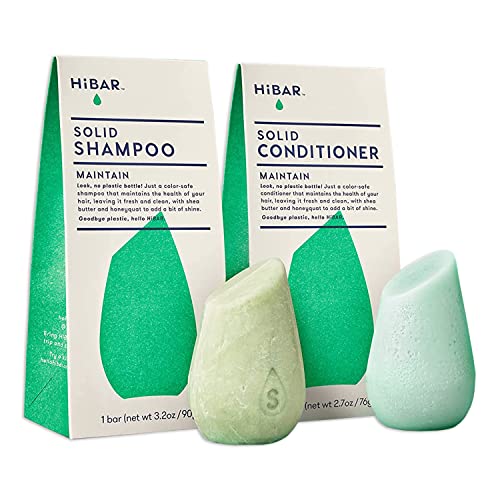
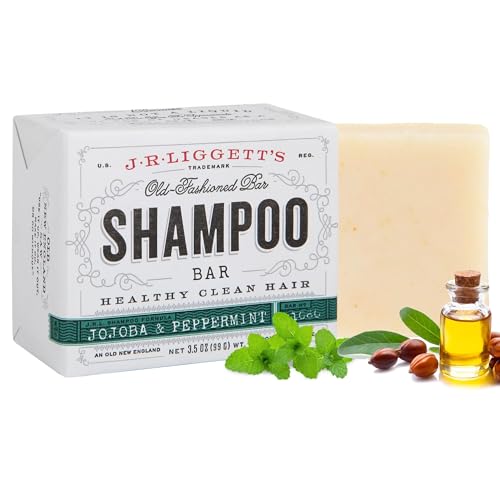
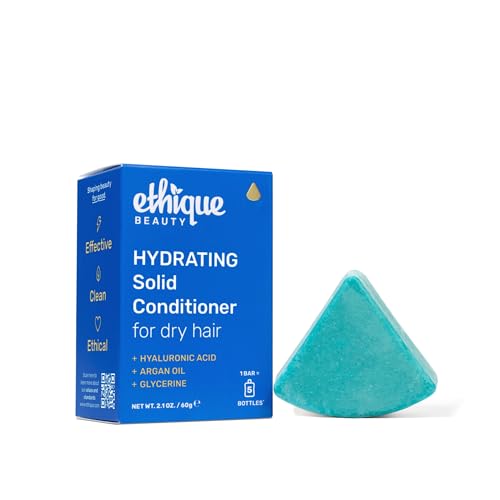

Watchdog picks
- PAROXETINE 7.5 MG CAPCheck on Amazon → ·
- B000H0XFCSCheck on Amazon → ·
- B073Q8P6CQCheck on Amazon → ·
- B09WDBHXB3Check on Amazon → ·
- Field Company Small Cast Iron Skillet – 8.38-Inch Pre-Seasoned Pan for 1–2 ServiCheck on Amazon → ·
- InkOwl Compatible Ink Cartridge Replacement for Roland ECO-SOL MAX 2 Printers ESCheck on Amazon → ·
- HQ Replacement Soldering Iron For Hakko FX-8801 FX-888D StationCheck on Amazon → ·
- B09DV14ZZLCheck on Amazon → ·