Toilet Bowl Cleaner Shrinkflation: How to Spot the Hidden Hikes

By Dana Wolff · Editor, RefillWatch
Published May 28, 2026
RefillWatch is reader-supported. When you buy through links on our site, we may earn an affiliate commission at no cost to you. We maintain editorial independence; our recommendations are based on thorough research and objective analysis of pricing trends.
Toilet Bowl Cleaner Shrinkflation: How to Spot the Hidden Hikes
Toilet bowl cleaner: it’s a household staple most of us don’t give a second thought to, until we’re staring down a stubbornly stained toilet bowl. But like so many other everyday products, toilet bowl cleaner is susceptible to shrinkflation, that sneaky practice of manufacturers reducing the size or quality of a product while keeping the price the same (or even raising it!). This article will arm you with the knowledge to spot these hidden hikes in your toilet bowl cleaner price and offer smarter, cheaper alternatives that keep your toilet sparkling without draining your wallet.
What is Shrinkflation, and Why Does it Matter in the Cleaning Aisle?
Shrinkflation is essentially stealth inflation. Instead of overtly raising prices, manufacturers subtly decrease the amount of product you get. For toilet bowl cleaner, this can manifest in a few ways:
- Smaller Bottles: The most obvious form of shrinkflation is a reduction in bottle size. You might be used to buying a 24-ounce bottle, only to find the “same” product now comes in a 20-ounce bottle, with no change in price.
- Less Concentrated Formulas: This is harder to detect, but some manufacturers dilute their formulas, requiring you to use more product per cleaning session. The bottle might be the same size, but it empties faster.
- Fewer Cleaning Tabs or Less Weight Per Tab: For drop-in toilet bowl cleaners, watch for a decrease in the number of tabs per package or a reduction in the weight of each individual tab.
Why does this matter? Over time, these small decreases add up, effectively raising the price per use. You’re paying the same amount for less cleaning power or fewer cleanings, impacting your budget.
Identifying Shrinkflation in Your Toilet Bowl Cleaner
Becoming a savvy shopper means paying attention to the details. Here’s how to detect shrinkflation in your favorite toilet bowl cleaner:
1. Check the Net Contents Statement
This is the most direct way to spot size reductions. The “Net Contents” statement (usually found on the front or side label) tells you the liquid volume (in fluid ounces or milliliters) or the weight (in ounces or grams) of the product inside.
- Compare to Previous Purchases: Before tossing out an empty bottle, snap a photo of the net contents statement. Then, compare it to the next bottle you buy. Has the volume or weight decreased?
- Note the Price: Write down the price you paid. Then, calculate the price per ounce or gram. This gives you a baseline for comparison.
- Track Changes Over Time: Keep a running log of the net contents and prices of your preferred brands. This will help you identify gradual shrinkflation trends.
2. Compare Ingredients and Concentration
While it’s not always easy to determine the exact concentration of a cleaning product, you can compare ingredient lists.
- Look for Changes in Order: Ingredients are typically listed in descending order of concentration. If a key cleaning agent (like hydrochloric acid or sodium hypochlorite) has moved further down the list, it suggests a less concentrated formula.
- Watch for Added “Fillers”: Some manufacturers add water or other inert ingredients to dilute their formulas. Check the ingredient list for an increased presence of these fillers.
- Conduct a “Cleaning Test”: If you suspect a formula change, clean two similar toilets – one with the old product and one with the new. Does the new product require more scrubbing or a longer soaking time to achieve the same results?
3. Read Online Reviews (With a Grain of Salt)
Online reviews can be a helpful source of information, but proceed with caution.
- Look for Consistent Complaints: Search for reviews mentioning changes in size, effectiveness, or scent. A sudden influx of negative reviews often indicates a product reformulation.
- Consider the Source: Be wary of overly positive or negative reviews, which may be fake or biased. Focus on reviews from verified purchasers that provide specific details about their experience.
- Cross-Reference with Other Sources: Don’t rely solely on online reviews. Supplement your research with data from consumer advocacy groups or product testing websites.
Cheaper Toilet Bowl Cleaner Alternatives: Save Money Without Sacrificing Cleanliness
Once you’ve identified shrinkflation in your favorite toilet bowl cleaner, it’s time to explore alternatives. Here are a few strategies to consider:
1. DIY Toilet Bowl Cleaner
Making your own toilet bowl cleaner is a cost-effective and environmentally friendly option. Many common household ingredients have disinfecting and cleaning properties.
- Baking Soda and Vinegar: A classic combination. Sprinkle baking soda into the bowl, then pour in vinegar. Let it fizz for 15-30 minutes, then scrub and flush.
- Borax: A natural mineral with cleaning and disinfecting properties. Sprinkle borax into the bowl, let it sit for a few hours or overnight, then scrub and flush.
- Essential Oils: Add a few drops of tea tree oil or eucalyptus oil to your DIY cleaner for extra disinfecting power and a pleasant scent.
Important Safety Note: Never mix bleach with vinegar or ammonia, as this can create dangerous and toxic fumes.
2. Explore Generic or Store Brands
Generic or store-brand toilet bowl cleaners often offer comparable cleaning power at a lower price point.
- Compare Active Ingredients: Check the ingredient list to ensure the generic brand contains the same active ingredients as the name-brand product.
- Read Reviews: Look for online reviews to see what other consumers think of the generic brand’s performance.
- Start Small: Buy a small bottle to test before committing to a larger purchase.
3. Consider Toilet Bowl Cleaning Tablets
While toilet bowl cleaning tablets can also be subject to shrinkflation (watch those weight changes!), they can still be a cost-effective option if you choose wisely.
- Look for Value Packs: Buying in bulk can often save you money per tablet.
- Read the Instructions Carefully: Some tablets are designed to last longer than others. Follow the instructions to avoid overuse.
- Monitor Water Quality: Tablets can sometimes affect the color or clarity of your toilet water. If you notice any changes, discontinue use.
Beyond the Bowl: Preventative Measures and Money-Saving Tips
In addition to finding cheaper alternatives, there are several steps you can take to prevent toilet bowl stains and save money on cleaning supplies:
- Flush Regularly: Flushing after each use prevents stains from setting.
- Clean Regularly: A quick scrub once or twice a week can prevent buildup and reduce the need for harsh cleaners.
- Use a Toilet Brush: A good toilet brush is essential for effective cleaning.
- Consider a Water Softener: Hard water can contribute to mineral buildup and stains. A water softener can help prevent these problems.
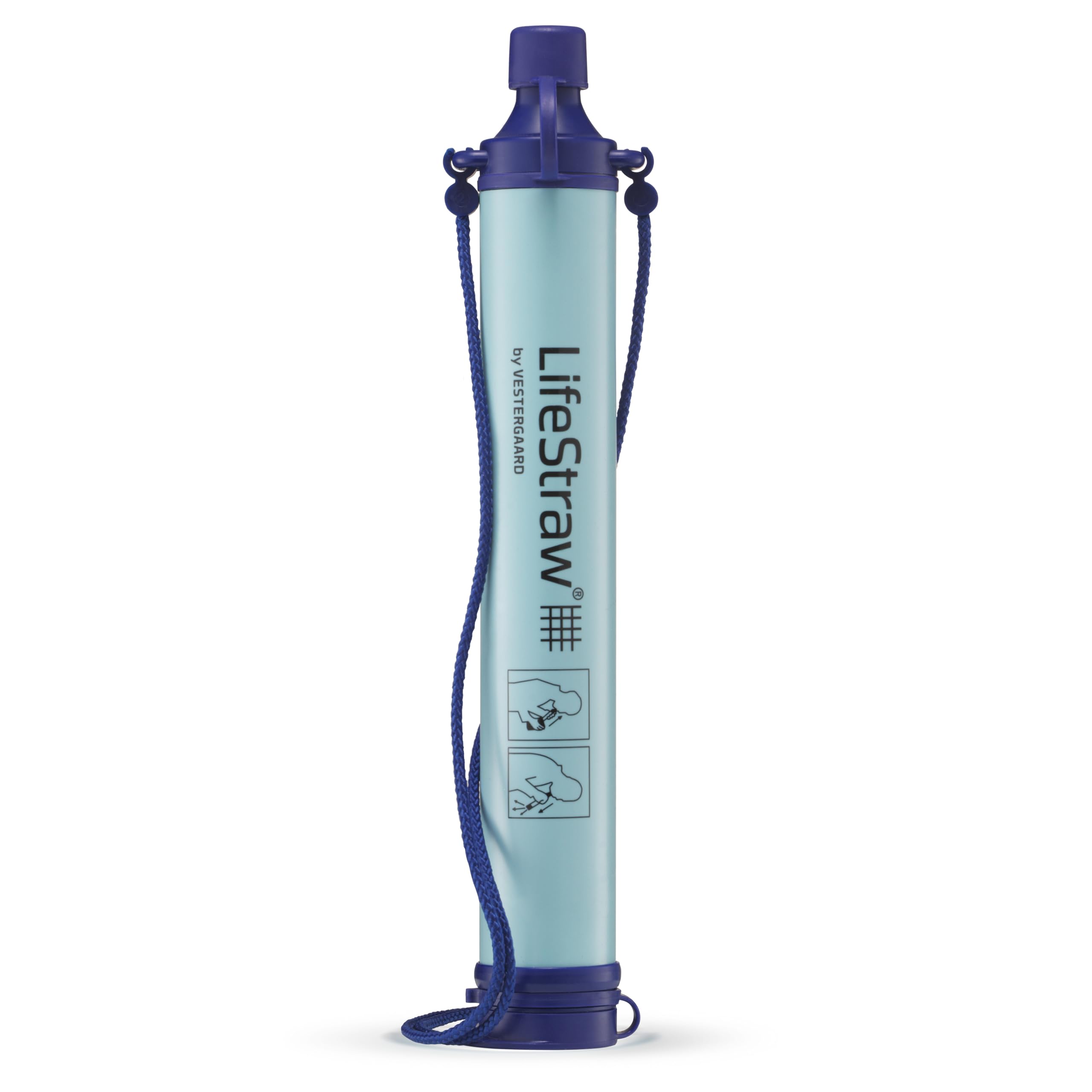
- Check for Leaks: A constantly running toilet can waste water and contribute to stains. Fix any leaks promptly. You might even consider a LifeStraw Personal Water PurifierAmazon → to test the incoming water quality if you suspect mineral issues.
By being a vigilant shopper and adopting these smart strategies, you can catch toilet bowl cleaner shrinkflation before it drains your wallet and keep your toilet sparkling clean for less.
Featured in this article
Shop the picks mentioned above
We earn a small commission if you buy through these links, at no extra cost to you.