Sunscreen Price Comparison: Brand Name vs. Generic

By Dana Wolff · Editor, RefillWatch
Published May 28, 2026
RefillWatch is reader-supported. When you buy through links on our site, we may earn an affiliate commission. This helps us keep tracking those sneaky price hikes.
Sunscreen Price Comparison: Brand Name vs. Generic
Summer means sunshine, and sunshine means sunscreen. But protecting your skin shouldn’t burn a hole in your wallet. With sunscreen prices climbing, it’s more important than ever to understand the true cost of your sun protection. This article breaks down the price-per-ounce of brand name versus generic sunscreens, focusing on SPF and ingredients, to help you make the smartest, most cost-effective choice. We’re watching the prices so you don’t have to.
Why Understanding Cost-Per-Ounce Matters
Sunscreen is often sold in different sized bottles. Comparing the sticker price alone can be misleading. A larger bottle might seem expensive, but if it offers a lower cost-per-ounce, it could be the better deal. Calculating the cost-per-ounce lets you directly compare the value of different brands and sizes, regardless of their initial price tag. To calculate, divide the total price by the number of ounces. For example, a 6-ounce bottle costing $12 has a cost per ounce of $2.00.
Brand Name vs. Generic: The Price Gap
Let’s dive into some real-world examples to illustrate the price difference between brand name and generic sunscreens. We’ll look at popular options and compare their cost-per-ounce for similar SPF levels.
Comparing SPF 30 Options
SPF 30 is a widely recommended level of protection for daily use. Here’s how some brands stack up (prices based on recent online retail data, and always subject to change; check current prices before you buy):
- Brand Name (Example: Coppertone): A 8-ounce bottle of Coppertone Water Babies SPF 30 might cost around $10. This translates to $1.25 per ounce.
- Generic (Example: Target’s Up & Up or Walmart’s Equate): A similar 8-ounce bottle of a generic SPF 30 sunscreen could cost around $6. That’s just $0.75 per ounce – a significant savings of 40%!
Comparing SPF 50 Options
For extended sun exposure or individuals with sensitive skin, SPF 50 is often preferred. How do the prices compare at this higher SPF level?
- Brand Name (Example: Neutrogena): A 5-ounce bottle of Neutrogena Ultra Sheer Dry-Touch SPF 50 could cost around $13. This comes out to $2.60 per ounce.
- Generic (Example: CVS Health or Walgreens): A 5-ounce bottle of a generic SPF 50 sunscreen might cost around $8. That’s $1.60 per ounce – again, a substantial saving.
The Upshot? Generics Win on Price
In both SPF 30 and SPF 50 categories, generic sunscreens consistently offer a lower cost-per-ounce. These savings can really add up, especially if you use sunscreen regularly, as you should.
Beyond Price: Ingredients and Efficacy
While price is a key factor, it’s essential to consider ingredients and efficacy when choosing a sunscreen. Don’t just blindly grab the cheapest option.
Ingredient Considerations
- Active Ingredients: Both brand name and generic sunscreens use similar active ingredients, such as zinc oxide, titanium dioxide, avobenzone, and octinoxate. Check the “Drug Facts” label to compare the active ingredients and their concentrations. As long as the active ingredients and SPF are the same, the generic and brand name will offer similar levels of protection.
- Inactive Ingredients: This is where brands can differ. Generic sunscreens might use different inactive ingredients, which could affect the texture, scent, or feel of the sunscreen on your skin. If you have sensitive skin or allergies, carefully review the inactive ingredients list.
- Reef-Safe Options: If you’re concerned about the environmental impact, look for “reef-safe” sunscreens that are free of oxybenzone and octinoxate, two chemicals that can harm coral reefs. Both brand name and generic options are available in reef-safe formulas, but these may come at a premium.
Does Brand Name Mean Better Protection?
Generally, no. As long as both the brand name and generic options have the same SPF level and use the same active ingredients in the same concentrations, they should provide equivalent sun protection. The FDA regulates sunscreen efficacy, ensuring that all sunscreens meet minimum standards.
However, user experience can vary. Some people might prefer the texture, scent, or water resistance of a particular brand name sunscreen. If you’ve had a bad experience with a generic sunscreen in the past, it might be worth trying a different generic brand or sticking with a brand name you trust.
Smart Sunscreen Shopping Strategies
Now that you understand the price differences and ingredient considerations, here are some strategies to maximize your savings on sunscreen:
Buy in Bulk (If You’ll Use It)
Larger bottles often offer a lower cost-per-ounce than smaller bottles. If you use sunscreen regularly, buying a larger bottle can save you money in the long run. However, be sure to check the expiration date and ensure you’ll use the entire bottle before it expires.
Compare Unit Prices Online
Use online retailers to your advantage. Most online stores display the price per ounce, allowing for easy comparison between different brands and sizes. Don’t forget to factor in shipping costs when comparing prices.
Store Loyalty Programs and Sales
Sign up for loyalty programs at your local drugstores and supermarkets. These programs often offer discounts and coupons on sunscreen and other personal care products. Keep an eye out for sales and promotions, especially during the summer months and back-to-school season.
Consider Refillable Options (Eventually)
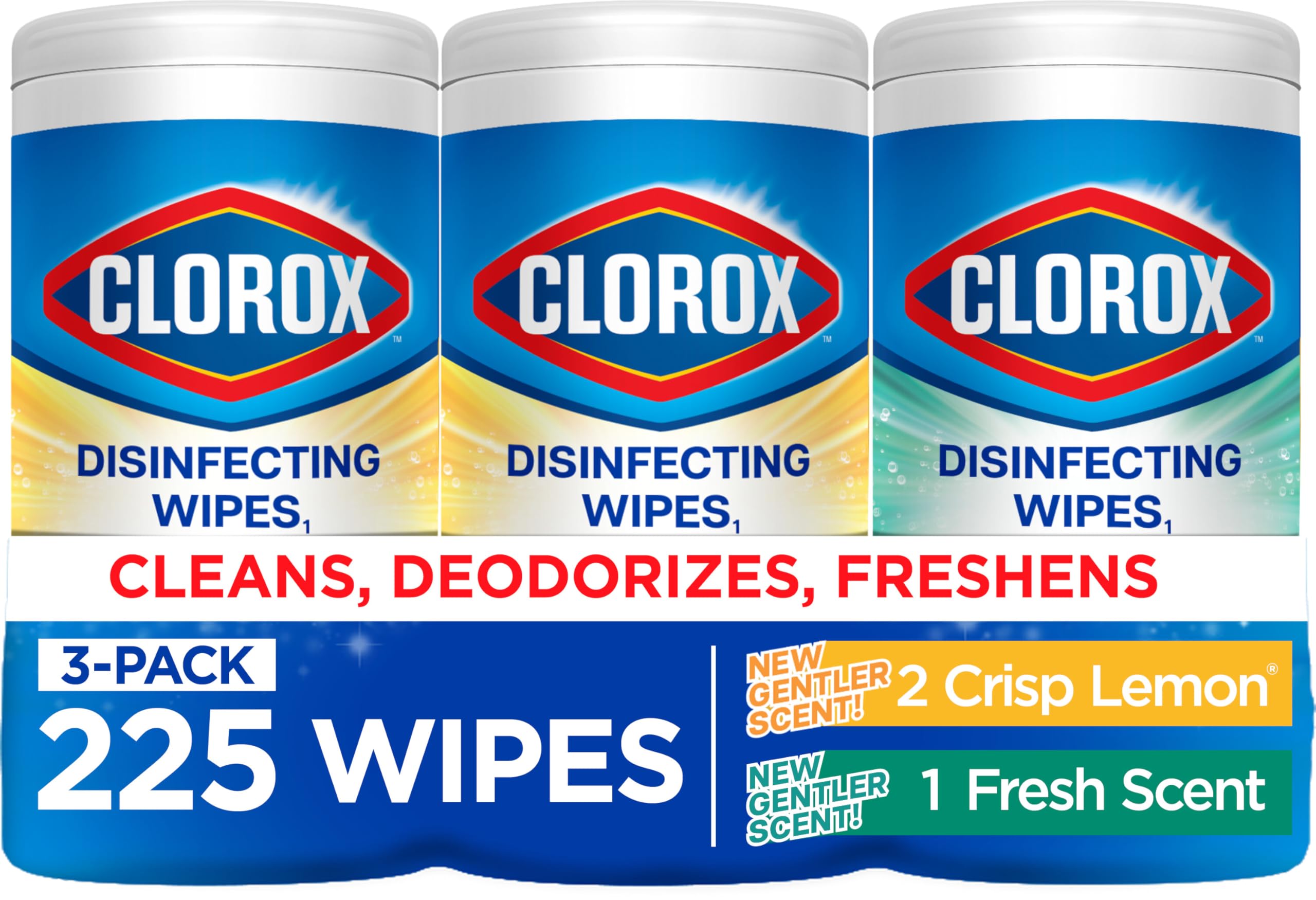
While not as common with sunscreen as they are with other household products, the trend is toward more sustainable packaging. Keep an eye out for brands offering larger refill pouches or concentrated formulas that can be diluted into reusable bottles. This can reduce plastic waste and potentially save money in the long run. We’re watching for price trends on refills related to sunscreen, just like we are with Clorox Disinfecting Wipes for Allergy Season Bleach-Free Mul/Amazon →.
Don’t Forget Sunscreen Alternatives
While important, sunscreen isn’t the only way to protect yourself from the sun. Consider these alternatives:
- Protective Clothing: Wear long sleeves, pants, and a wide-brimmed hat to shield your skin from the sun’s rays.
- Seek Shade: Avoid prolonged sun exposure during peak hours (10 AM to 4 PM). Seek shade under trees, umbrellas, or other structures.
- Sunglasses: Protect your eyes from harmful UV rays with sunglasses that block 100% of UVA and UVB rays.
By combining these strategies with informed sunscreen purchases, you can protect your skin without overspending. Remember to always apply sunscreen liberally and reapply every two hours, or more often if swimming or sweating. Stay safe, stay informed, and stay protected!
Featured in this article
Shop the picks mentioned above
We earn a small commission if you buy through these links, at no extra cost to you.