SodaStream vs. Canned Soda: True Cost Per Liter Over One Year

By Dana Wolff · Editor, RefillWatch
Published May 28, 2026
RefillWatch is reader-supported. When you buy through links on our site, we may earn an affiliate commission. We remain independent; our pricing audits are driven by data, not retailer partnerships.
The price of carbonated water has undergone a quiet transformation. While you might be focused on the rising cost of eggs or gas, the “soda tax” hidden in convenience packaging has quietly crept up. Retailers know that bottled soda and sparkling water are habit purchases. When you buy a 12-pack of cans, you aren’t just paying for the carbonated water; you are paying for the aluminum, the shrink-wrap, the logistics of moving heavy liquid, and the retail markup on a high-velocity SKU.
At RefillWatch, we’ve tracked the unit price of canned sparkling water and soda over the last 18 months. We’ve seen a steady 12–18% climb in the “per-liter” cost. If you are a daily drinker, this isn’t just a grocery annoyance—it’s a drain on your annual budget that effectively subsidizes the manufacturer’s supply chain inefficiencies.
The Math of the Can: Why You Are Overpaying
To understand the true cost of soda, we have to strip away the branding and look at the liquid volume.
A standard 12-ounce (355ml) can of sparkling water retails for an average of $0.65 to $0.85 depending on the brand and regional tax. At the mid-range price of $0.75 per can, you are paying roughly $2.11 per liter.
If you consume two cans per day—a common habit for many households—you are spending approximately $547.50 per year on sparkling water.
The Hidden Costs of Convenience
When you purchase pre-packaged soda, you are paying a “convenience tax” on three fronts:
- Packaging Amortization: The cost of the aluminum can and the cardboard carton is baked into every sip.
- Logistics: Water is heavy. Shipping water-based products across the country creates a massive overhead that is passed directly to the consumer.
- Retail Markup: Because these items are “destination” products, retailers keep margins tight on the shelf but high on the volume.
SodaStream: Amortizing the Hardware
The counter-argument to the “canned tax” is the upfront cost of a home carbonation system like SodaStream. To determine if this is a genuine saving, we have to look at the total cost of ownership (TCO) over a 12-month period.
Initial Hardware Investment
A mid-range SodaStream starter kit typically retails for $100–$120. When we calculate the cost of this device over a three-year lifespan, the hardware amortization cost is roughly $35–$40 per year.
The CO2 Refill Economy
The real variable in the SodaStream equation is the CO2 cylinder. A standard 60L cylinder produces approximately 60 liters of sparkling water. At the retail price of roughly $30 per cylinder (or $15 if you use the exchange program), the cost per liter of carbonated water drops to approximately $0.25–$0.50.
The Annual Comparison Table (Based on 730 Liters/Year)
| Expense Item | Canned Soda (12oz) | SodaStream System |
|---|---|---|
| Annual Hardware | $0 | $40 (amortized) |
| Annual CO2/Refills | $0 | $185 |
| Annual Water/Soda Cost | $547.50 | $0 (assuming tap) |
| Total Annual Cost | $547.50 | $225.00 |
By switching, the average household saves over $300 in the first year alone. Even after factoring in the initial hardware purchase, the “break-even” point occurs within the first four months of daily use.
The Water Quality Factor
The biggest pushback we hear from readers is the quality of the base water. If you don’t trust your municipal tap water, the SodaStream value proposition shifts slightly, as you may need to invest in a filtration system.
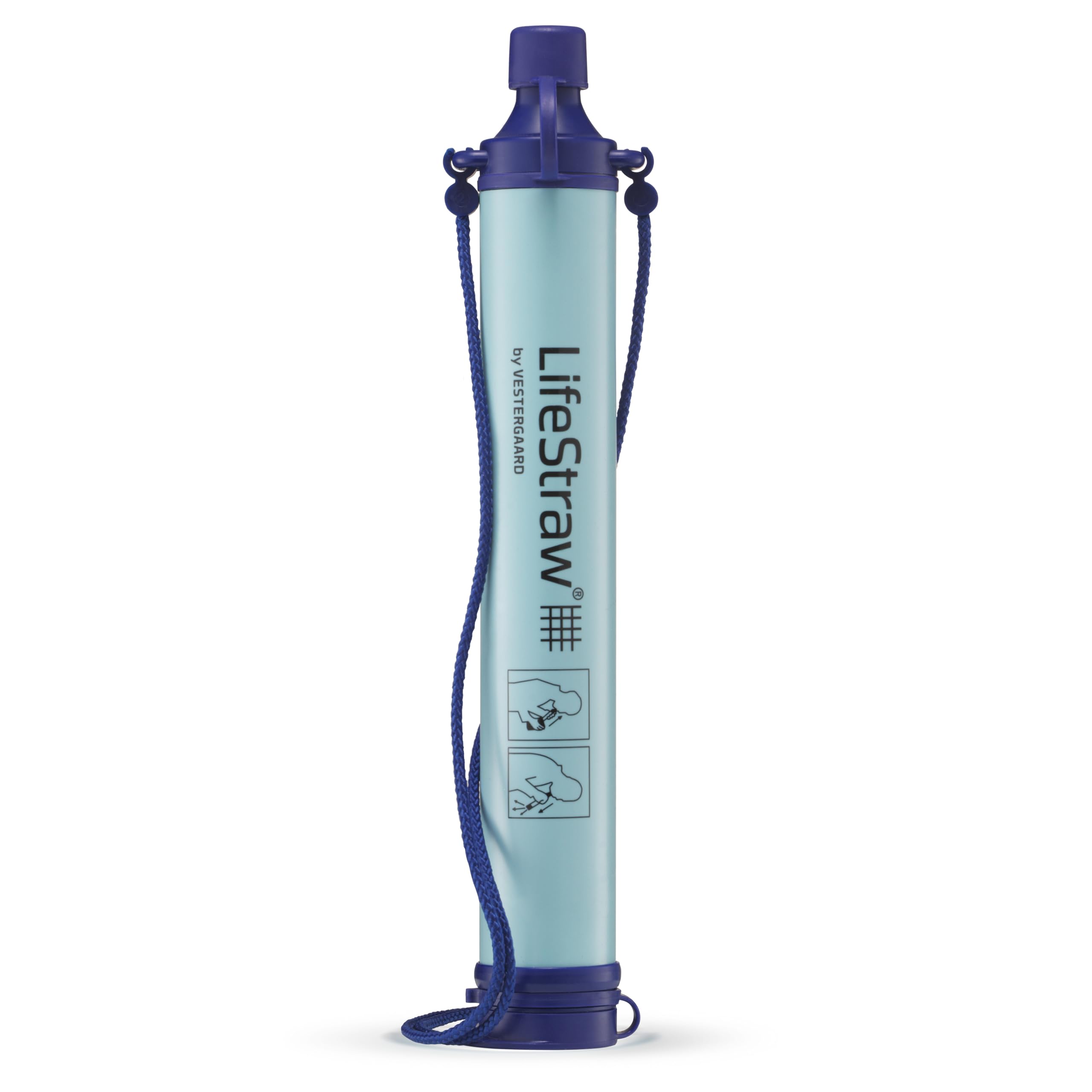
However, even with a high-end countertop water filter, the cost per liter remains significantly lower than buying premium bottled water. We have previously analyzed the cost-efficiency of alternatives, such as the LifeStraw Personal Water PurifierAmazon → for active scenarios, but for home use, a standard pitcher filter is sufficient.
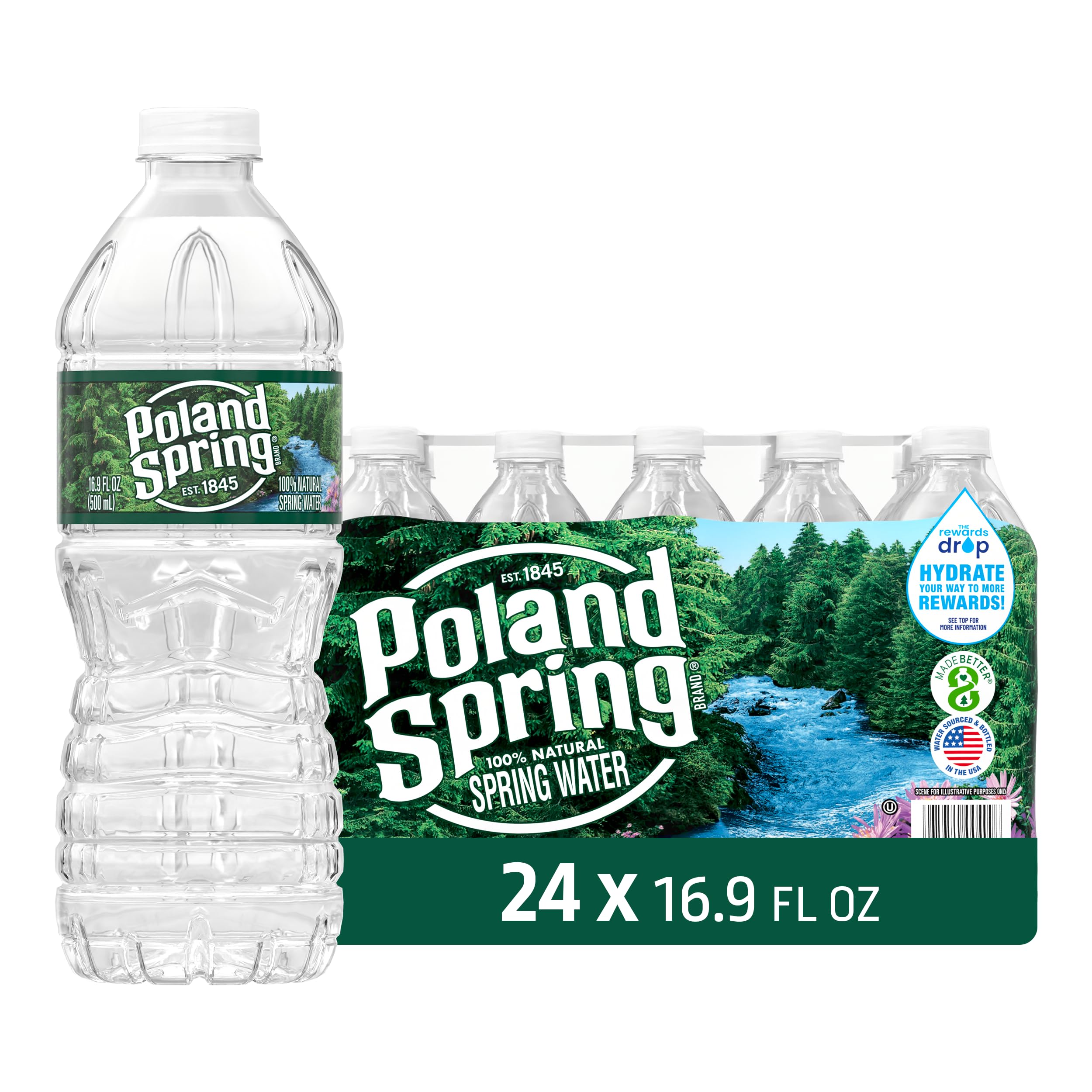
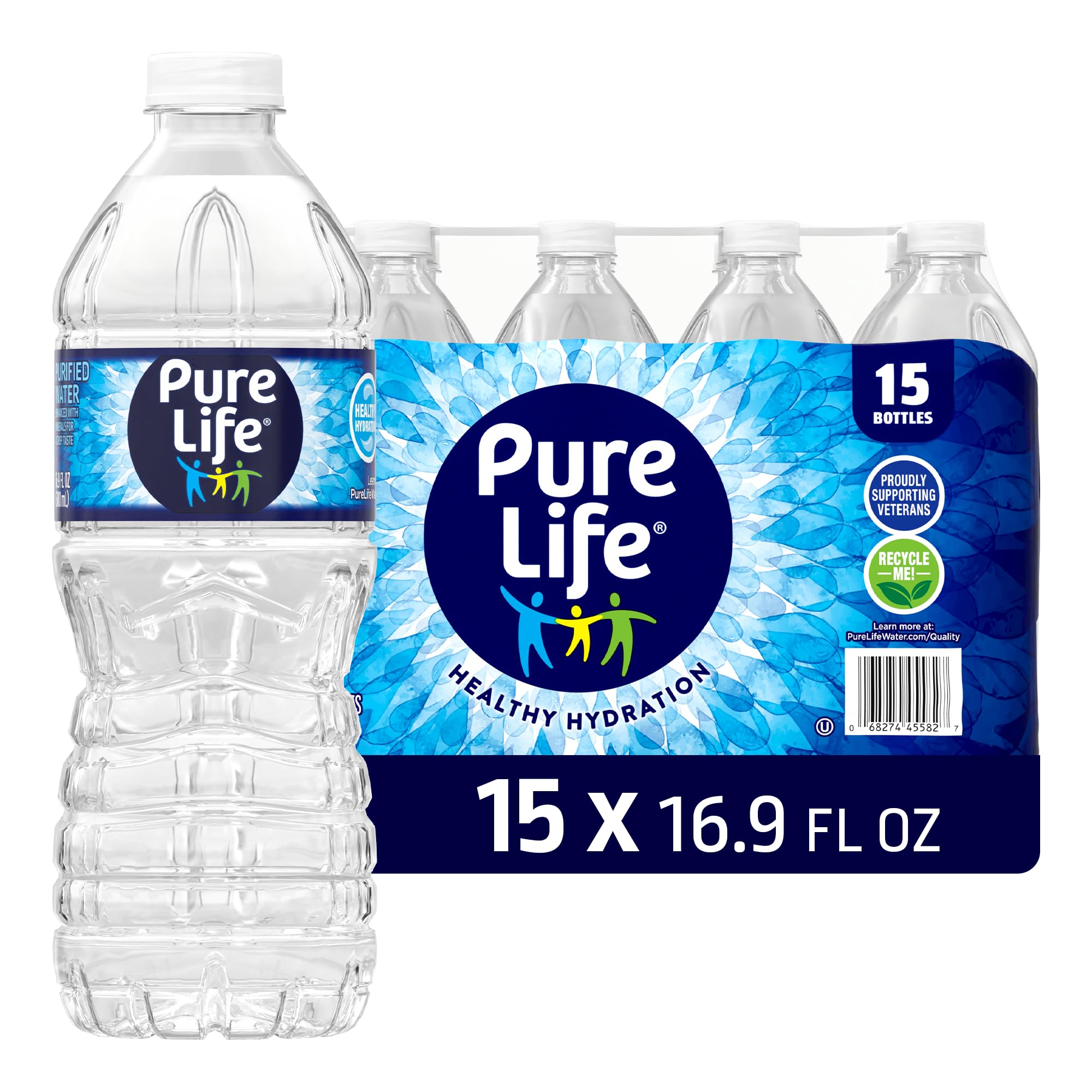
If you currently rely on bottled spring water, you are paying a premium for the bottle itself. We track these prices closely, and the volatility is high. If you are still buying cases of Poland SpringAmazon → or Pure LifeAmazon →, you are essentially paying for the plastic waste that follows.
When the Swap Doesn’t Make Sense
As a watchdog site, our job isn’t to tell you to buy a gadget; it’s to tell you when a gadget is a waste of money. The SodaStream model only works if:
- You drink carbonated beverages daily: If you only drink one soda a week, the hardware will sit on your counter for a decade before it pays for itself.
- You participate in the exchange program: Buying new CO2 canisters at full retail price without returning the empties increases your per-liter cost by nearly 50%. Always use the authorized exchange programs to keep your margins thin.
- You have the counter space: For those in small apartments, the footprint of a carbonator might be a “hidden cost” in terms of lost utility.
Final Verdict: Watch the Creep
Retailers are banking on you not doing this math. They rely on the fact that a $7.00 case of soda feels like a “cheap” grocery item, even though it costs you nearly $550 a year.
If you find yourself buying multiple 12-packs a week, you aren’t just buying soda—you are funding the transport of heavy liquid and the manufacturing of single-use aluminum. By switching to an in-home carbonation system, you reclaim that $300+ annual “convenience tax.”
If you choose to stick with bottled options, keep a close eye on the unit price per fluid ounce. We’ve noticed that as the price of soda rises, retailers often shrink the total volume of the package while keeping the “per-pack” price stable—a classic shrinkflation tactic. Always check the price-per-ounce label on the shelf; don’t let the “sale” price distract you from the true cost per liter.
Featured in this article
Shop the picks mentioned above
We earn a small commission if you buy through these links, at no extra cost to you.