How to Spot Shrinkflation at the Grocery Store: A 5-Minute Aisle Checklist

By Dana Wolff · Editor, RefillWatch
Published May 28, 2026
RefillWatch is reader-supported. When you buy through links on our site, we may earn an affiliate commission at no extra cost to you. We remain independent, and our goal is to highlight the best value, not the highest commission.
Shrinkflation is the silent thief of the grocery aisle. It happens when manufacturers keep the price of a product static but quietly reduce the net weight, volume, or count of the contents. It is a psychological game: shoppers are trained to notice a price jump, but they rarely notice if a bag of chips contains 10 fewer grams or if a bottle of detergent has shrunk by two fluid ounces.
At RefillWatch, we see the data trends daily. Prices aren’t just rising; they are being obscured by packaging tricks. Learning how to spot shrinkflation isn’t about being a conspiracy theorist—it’s about being a savvy consumer who refuses to pay more for less.
The 5-Minute In-Store Audit
You don’t need a spreadsheet to track price hikes, but you do need to stop relying on the big, bold price tag. Retailers want you to look at the price per unit, but they often make that information intentionally hard to find.
Step 1: Ignore the “Retail Price”
Your eyes are naturally drawn to the large font showing the total price. Ignore it. Your first step should always be to look at the unit price tag—the smaller text usually located in the bottom corner of the shelf label. This tells you the price per ounce, per sheet, or per count. If the price per unit has increased, the manufacturer has either hiked the price or reduced the volume.
Step 2: The Packaging “Feel” Test
If you’ve been buying the same brand of pasta, cereal, or snacks for years, your hands know what the product feels like. If a box feels lighter, don’t ignore that intuition. Check the net weight printed on the front or back of the package. Compare it to the weight of a similar product on the shelf. Manufacturers often use “slack fill”—extra air in the bag—to make a smaller amount of product look identical to the older, larger version.
Step 3: Check the “Compare To” Math
Many stores use shelf tags that show the “price per unit” in tiny, nearly illegible font. If the tag doesn’t show the unit price (common in some smaller retailers), do the math yourself:
- Formula: Total Price ÷ Total Net Weight (oz, lbs, or count) = Price per Unit.
- Example: A 32-ounce bottle of spring water costing $4.00 is $0.125 per ounce. If they shrink that bottle to 28 ounces but keep the price at $4.00, your cost jumps to roughly $0.142 per ounce. That is a 13% price hike hidden in plain sight.
When “Convenience” Masks the Hike
Retailers love to push “refillable” or “convenient” packaging that actually locks you into a more expensive ecosystem. We’ve noticed this trend heavily in household staples like cleaning supplies and paper goods.
When you buy a brand-new container of disinfectant wipes, you are paying for the plastic canister, the label, and the marketing—not just the wipes. By the time you need more, the price of that canister has often crept up. Instead, look for refill pouches that offer the same count for a lower unit price.
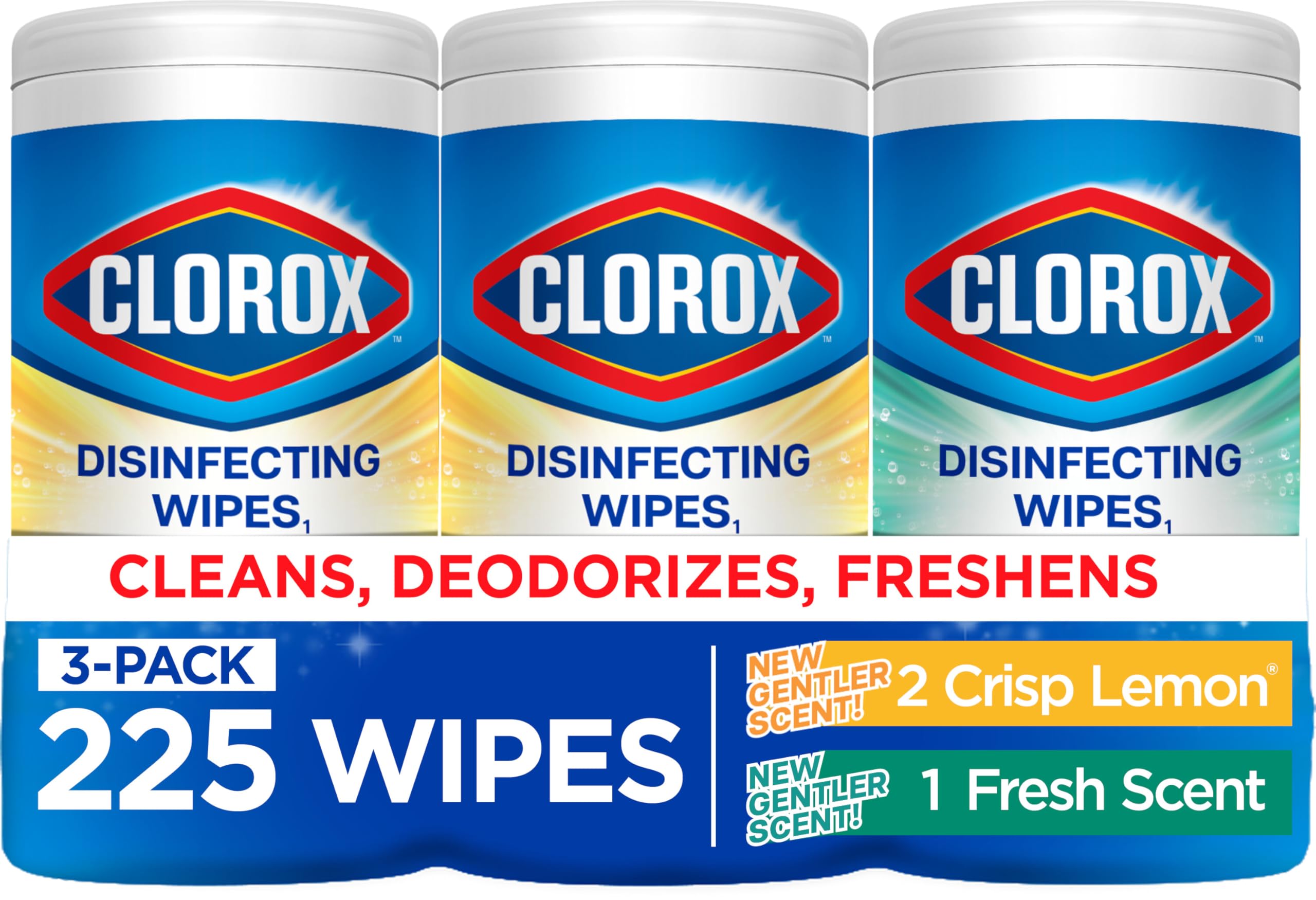
For example, when you are stocking up on essentials like Clorox Disinfecting WipesAmazon →, always verify the sheet count per dollar before throwing them in the cart. A “value pack” that looks bigger might actually have fewer wipes than the version sitting right next to it.
The Paper Trap: Why Bulk Isn’t Always Better
Paper products are the classic battleground for shrinkflation. A “Mega Roll” of paper towels today is often significantly smaller than a “Mega Roll” was three years ago. The industry changes the definition of “sheet count” or “square footage per roll” without changing the branding.
If you are buying printer paper, the same logic applies. You might see a ream of paper at a “stable” price, but if the weight of the paper (the gsm or lb rating) has been reduced, you are getting a lower-quality product for the same money. Before you commit to a bulk purchase, check the specs. We recommend comparing premium 32 lb paperAmazon → against standard 20 lb copy paperAmazon → to ensure you aren’t paying premium prices for budget-grade material.
How to Fight Back: The RefillWatch Strategy
Spotting shrinkflation is only half the battle. Once you identify a product that has been “shrunk,” your best move is to exit the cycle.
1. The Switch to Reusables
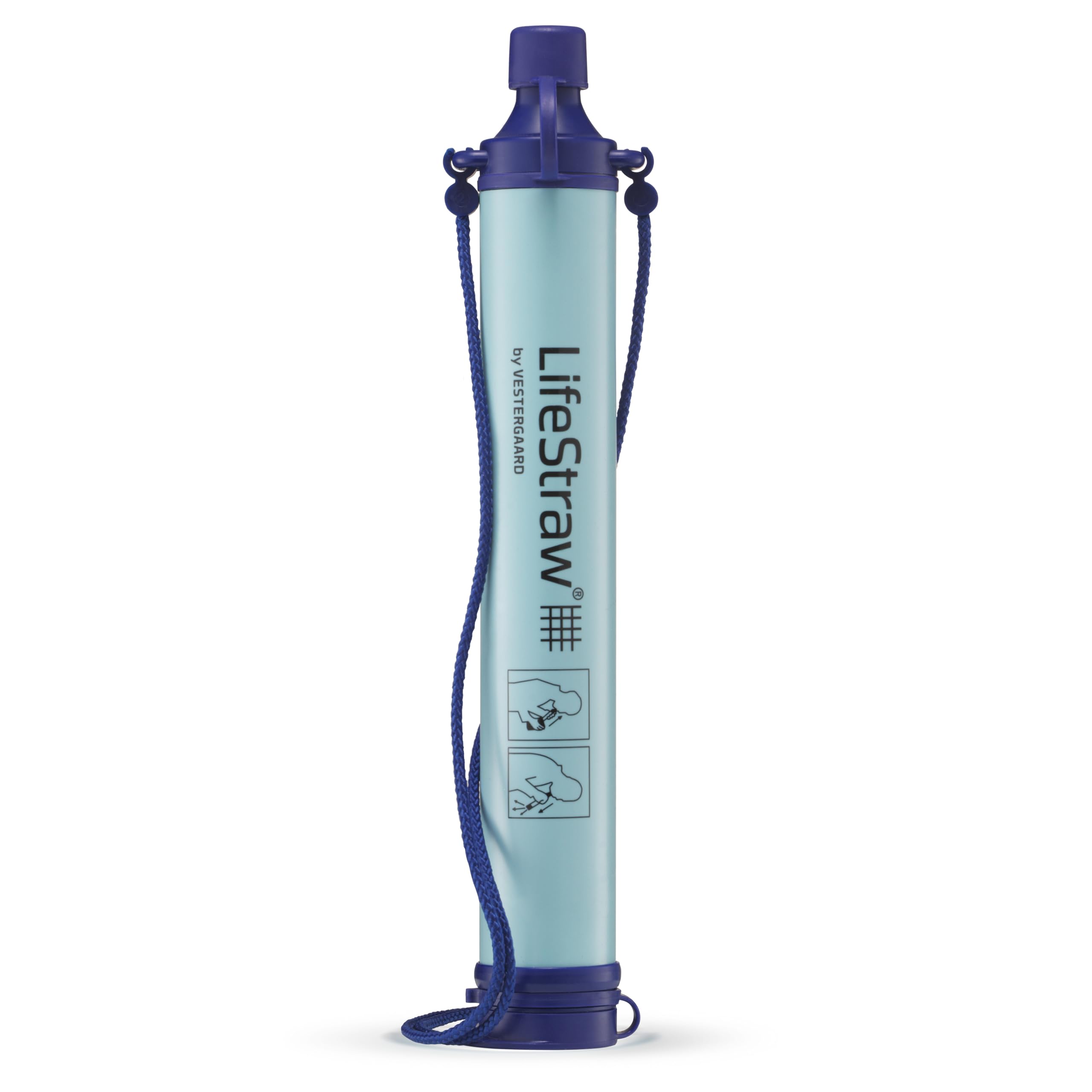
The most effective way to beat shrinkflation is to stop buying the single-use items that are most susceptible to it. Bottled water is a prime example. Manufacturers frequently adjust pack sizes to mask price increases. If you find yourself constantly battling these hikes, consider investing in a high-quality filtration system or a personal purifier like the LifeStrawAmazon →. The upfront cost is higher, but the long-term cost-per-liter plummets.
2. Standardize Your Measurements
Keep a “cheat sheet” on your phone. If you buy a specific brand of olive oil, coffee, or detergent, note the price-per-ounce in your notes app when you find a good deal. The next time you shop, you won’t have to guess if the “new and improved” packaging is actually a good deal—you’ll have the hard data to prove it isn’t.
3. Vote with Your Wallet
When you notice a brand has significantly shrunk their product without lowering the price, don’t just grumble—switch brands. There is almost always a competitor or a store-brand equivalent that hasn’t yet implemented the same level of shrinkflation. Retailers and manufacturers only stop these tactics when they see a measurable drop in sales velocity.
Shrinkflation is designed to be invisible, but once you start looking at the unit price and the net weight, the mask falls off. You don’t have to be a victim of grocery store math. Take five minutes, check the unit price, and choose the product that actually gives you the value you’re paying for. If you find a product that is holding the line on weight and price, support them—that’s the only way to keep the market honest.
Featured in this article
Shop the picks mentioned above
We earn a small commission if you buy through these links, at no extra cost to you.