Shrinkflation in Cleaning Supplies: Spot Smaller Sizes & Find Cheaper Refills

By Dana Wolff · Editor, RefillWatch
Published May 28, 2026
RefillWatch is reader-supported. We track price hikes independently and may earn a commission if you purchase through links on our site. We prioritize your wallet over corporate partnerships; if a product doesn’t earn its keep, we don’t recommend it.
You walk down the cleaning aisle, grab your usual jug of multi-surface spray, and head to the checkout. It looks the same, costs the same, but somehow, it’s running out faster. You aren’t imagining things. This is the hallmark of “shrinkflation”—the practice where manufacturers reduce the volume or count of a product while maintaining the retail price, effectively forcing you to pay more for less.
In the world of cleaning supplies, this is rampant. Because these items are “autopilot” purchases, retailers bet that you won’t notice the missing two ounces of liquid or the three fewer wipes in the canister. At RefillWatch, we’ve been tracking these silent hikes. Here is how to spot the trend and reclaim your budget.
The Shrinkflation Tactic: What to Look For
Shrinkflation works because of human psychology. We anchor our expectations to the packaging. We remember the brand logo, not the specific fluid ounce count.
The “New and Improved” Trap
Whenever you see a product labeled “New and Improved” or featuring a slightly updated graphic design, take a breath. Often, this rebranding is a cover for a downsized formula. Manufacturers know that a packaging refresh distracts the eye. While you’re busy reading the new “scent profile,” you’re missing the fact that the bottle volume has dropped from 32 oz to 28 oz.
Unit Price is Your Only Truth
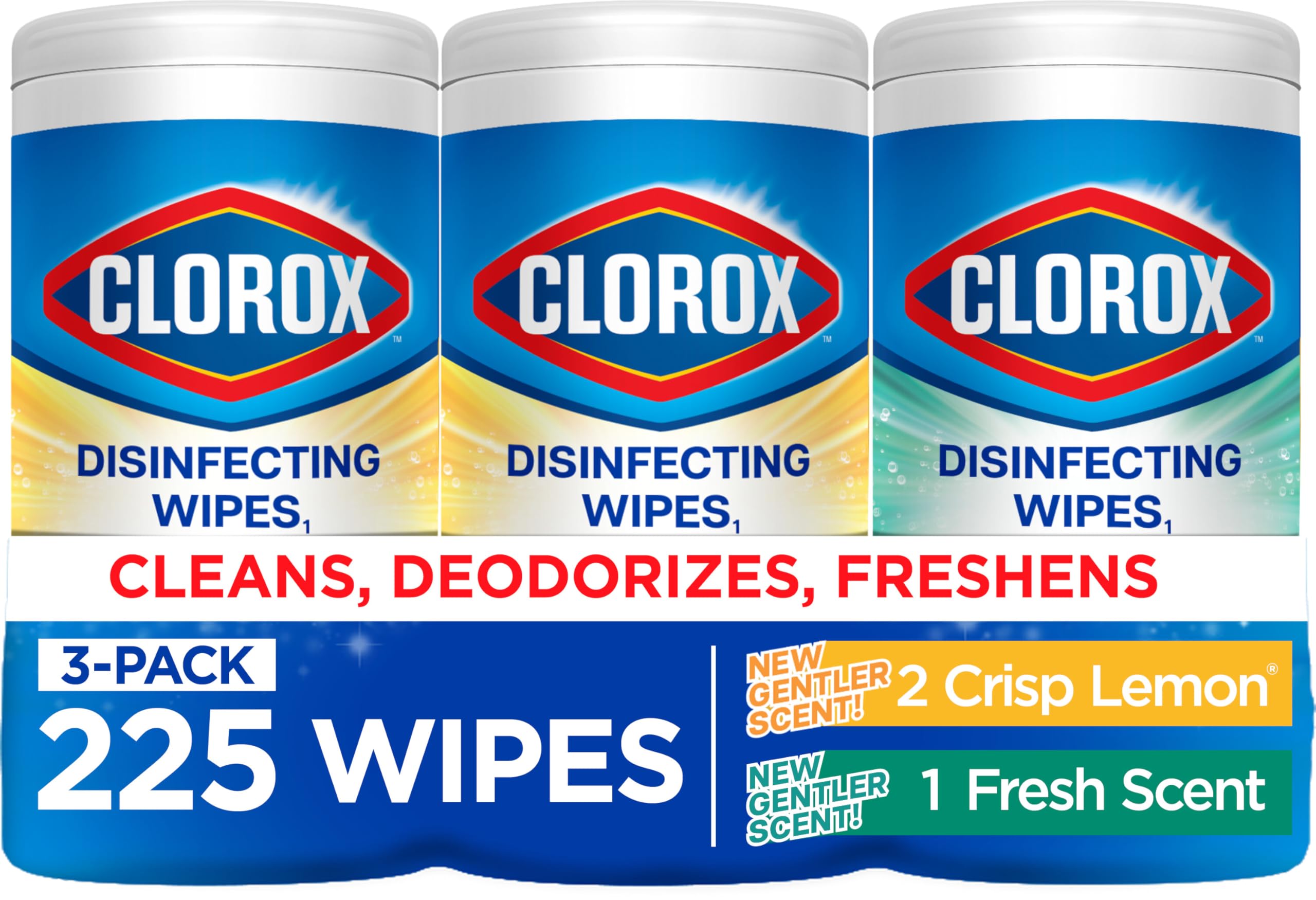
The shelf price is a lie; the unit price is the only metric that matters. Most grocery store tags list the price per ounce or price per count in small, often obscured print. If you find yourself buying Clorox Disinfecting WipesAmazon → or similar staples, compare the “price per wipe” across different package sizes. Frequently, the “value pack” has been silently downsized to match the unit price of the standard pack, removing your incentive to buy in bulk.
How to Audit Your Cleaning Closet
Before you head to the store, perform a quick “shelf audit.” You need a baseline to know if you’re being played.
- Check the “Old” Bottles: Don’t throw away your empty containers immediately. Keep one of each staple (all-purpose cleaner, glass cleaner, floor soap) to check the net contents.
- Calculate the Delta: If you find a new bottle of your favorite cleaner is 10% smaller but costs the same, you are effectively paying a 10% price hike.
- The “Water Weight” Test: Many cleaning supplies are mostly water. When manufacturers shrink the container, they often lower the concentration of the active cleaning agents as well. If the new, smaller bottle seems to require more liquid to get the same job done, you’re being hit with a double-whammy: less product and lower potency.
The Refill Revolution: Breaking the Cycle
The most effective way to combat shrinkflation is to stop buying the plastic bottle entirely. When you buy a pre-mixed bottle, you are paying for the plastic, the water, and the shipping of that water.
Switch to Concentrates
Concentrates are the antidote to shrinkflation. By buying a small vial of highly concentrated cleaner, you can mix it with your own tap water in a reusable glass or durable plastic spray bottle. You aren’t paying for the transport of heavy water, and because you control the mixing, you aren’t subject to the manufacturer’s “downsizing” of the pre-mixed liquid.
Reusable Tools over Disposables
Stop paying for single-use systems that have been engineered to fail or shrink. For instance, instead of buying expensive, disposable wrap systems that force you into proprietary refill cycles, look for modular options like the ChicWrap Refillable DispenserAmazon →. By owning the hardware, you break the manufacturer’s hold on your wallet, allowing you to source refills from the most cost-effective vendors rather than being locked into a shrinking product line.
Strategic Buying: When Bulk Actually Works
While we advocate for refills, we recognize that sometimes you need the convenience of a standard product. If you must buy off the shelf, use these three rules to stay ahead of the price creep:
1. Buy the “Boring” Staples
Avoid the high-marketing “specialty” cleaners. The base ingredients in most all-purpose cleaners are remarkably similar. Stick to generic or bulk-sized versions of basic staples. If you are buying supplies in bulk, ensure you are actually getting a volume discount. Use this high-quality paperAmazon → as a mental benchmark—if the “bulk” price doesn’t offer a significant discount over the single unit, the retailer is trying to hide a price hike in a larger, more expensive box.
2. Time Your Purchases with Tracking
Retailers rely on your urgency. If you run out of detergent, you’ll pay whatever the current price is, even if it’s been hiked by 15% due to shrinkflation. Keep a “buffer stock”—a single backup of your most-used items. This gives you the luxury of waiting for a sale or switching brands if you notice your preferred product has been downsized.
3. Simplify Your Arsenal
Shrinkflation is easier to hide in a complex inventory. If you have ten different cleaners for ten different surfaces, you have ten different opportunities for a manufacturer to short-change you. Simplify your kit to three essentials: a degreaser, a disinfectant, and a glass cleaner. When you have fewer items to track, you become a much more difficult target for retailers.
The Bottom Line
Retailers and manufacturers are playing a game of inches, hoping the cumulative effect of a smaller bottle or a thinner wipe goes unnoticed. By shifting your focus from the “sticker price” to the unit price, and by embracing refillable systems, you take the power back.
Don’t let them shrink your budget. Track your staples, switch to concentrates, and when you see a product “refresh” on the shelf, treat it as a red flag. Your wallet will thank you.
Featured in this article
Shop the picks mentioned above
We earn a small commission if you buy through these links, at no extra cost to you.