Reusable Paper Towels: Realistic Savings Without Adding Laundry Burden

By Dana Wolff · Editor, RefillWatch
Published May 28, 2026

RefillWatch is reader-supported. When you buy through links on our site, we may earn an affiliate commission at no extra cost to you. We do not accept sponsorships or free products from manufacturers, ensuring our pricing analysis remains strictly objective.
Reusable Paper Towels: Realistic Savings Without Adding Laundry Burden
The “paper towel trap” is one of the most insidious examples of shrinkflation in the household goods sector. Over the last 24 months, we’ve tracked a 14% increase in the unit price of premium paper towels, while roll sizes have subtly decreased in diameter. Manufacturers are banking on your convenience bias—the idea that it is always cheaper and easier to toss a sheet than to wash a cloth.
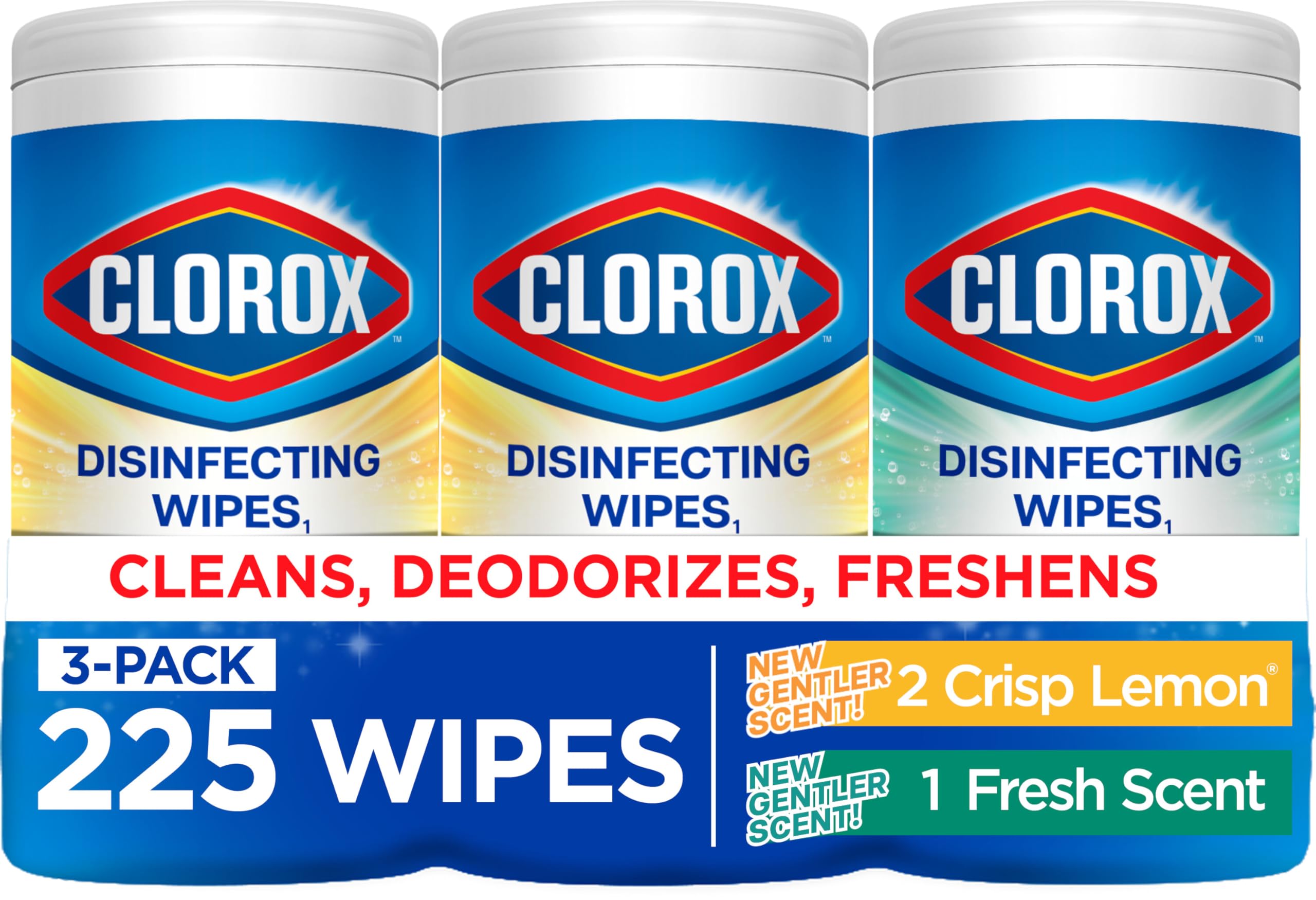
But is that still true? With the cost of cleaning staples like disinfecting wipesAmazon → rising, we decided to run the numbers on reusable paper towels (often branded as “Swedish dishcloths” or bamboo towels). We aren’t interested in the eco-marketing fluff; we are interested in the ROI, the actual laundry math, and the friction of habit change.
The Cost of the “Toss-It” Habit
To understand the savings, we first have to establish the baseline. A standard household uses approximately 80 rolls of paper towels per year. At current market averages for premium, “select-a-size” rolls, that’s an annual expenditure of roughly $160 to $200, depending on your region and retailer.
The industry has moved toward thinner, “quilted” sheets that require you to use two or three where one used to suffice. This is a classic shrinkflation tactic: keep the price point stable, reduce the physical utility of the product, and force the consumer to deplete their inventory faster.
The Math: Reusable ROI vs. Laundry Load
If you switch to reusable towels, you are essentially trading a recurring monthly expense for a one-time capital investment and a marginal increase in laundry frequency.
The Investment
A set of 12 high-quality cellulose-cotton reusable cloths costs about $25. These are rated to last for 6–9 months of heavy use. That is a total annual cost of roughly $35–$50, assuming you replace them twice a year.
The “Laundry Burden” Factor
The biggest pushback we hear from our readers is: “I don’t want to do more laundry.” This is a valid concern. However, the math changes when you realize how these cloths actually function.
- The Rinse Method: For 80% of spills (water, non-sticky food crumbs), you simply rinse the cloth in the sink and hang it to dry. It doesn’t need to go in the machine.
- The Sanitization Cycle: You only need to launder the towels when they become genuinely soiled or start to harbor odors. If you keep a rotation of 10–12 cloths, you can toss them in with your regular towel load once a week.
The Verdict: The “laundry burden” is largely psychological. If you are already running a load of towels or linens weekly, adding 10 small cloths consumes zero extra water or electricity. If you are running an extra load specifically for these cloths, the cost of electricity and detergent (which we’ve tracked rising—check our guide on eco-friendly laundry refills) is roughly $0.50 per load. Even at 52 loads a year, that is only $26 in “laundry tax,” bringing your total annual cost to $76.
Annual Savings: You are looking at a net savings of approximately $80–$120 per year.
Minimizing Friction: How to Make the Switch Stick
The reason most people fail at switching to reusables isn’t the cost; it’s the friction. If you have to walk to the laundry room to find a clean cloth, you will reach for the paper towel roll every single time. Here is the RefillWatch-approved strategy for adoption:
- The “Dirty Bin” Strategy: Keep a small, breathable mesh bag under the sink or in a drawer. When a cloth is used, it goes directly into the bag. When the bag is full, the whole thing goes into the wash. This prevents the “I don’t know where to put these” hurdle.
- Color-Coding: Assign colors to specific tasks. Use blue for glass and mirrors, yellow for kitchen counters, and white for bathroom surfaces. This prevents cross-contamination and helps you know exactly what is “clean enough to rinse” versus “needs the machine.”
- The Hybrid Approach: You don’t have to go cold turkey. Keep a small roll of paper towels under the sink for truly “gross” jobs—like cleaning up raw meat juices or pet accidents—where you would never want to put a cloth back in your home. By reserving paper towels only for these high-contamination events, you can stretch one roll for three months instead of three days.
When “Refillable” Isn’t the Answer
While we advocate for reusables, we are also realists. There are instances where the “reusable” tag is a marketing trap.
Avoid: The “Polyester-Microfiber” Trap
We’ve seen a surge in cheap, petroleum-based “reusable” towels that are essentially plastic. These shed microplastics into your greywater every time you wash them. Not only is this environmentally questionable, but they often lose their absorbency after 10–15 washes. Always opt for natural fibers like cellulose or bamboo-cotton blends.
Avoid: High-Maintenance “Luxury” Cloths
If a reusable towel requires a delicate cycle, air-drying, or specific non-toxic laundry soaps that cost double the price of standard detergent, the ROI evaporates instantly. If you can’t throw it in with your regular warm-cycle towels, it’s not a tool; it’s a chore.
The Bottom Line
Retailers want you to believe that paper towels are an unchangeable cost of living. They aren’t. By treating your kitchen cleaning supplies with the same scrutiny you apply to your ink cartridge costs or your water consumptionAmazon →, you can reclaim a significant portion of your grocery budget.
Start by buying one pack of 12 high-quality cellulose cloths. Keep your current paper towel roll, but move it to a high shelf. For two weeks, force yourself to reach for the cloth first. We bet that by the time you reach for the paper, you’ll find you don’t actually need it. That is where the real savings begin.
Featured in this article
Shop the picks mentioned above
We earn a small commission if you buy through these links, at no extra cost to you.