
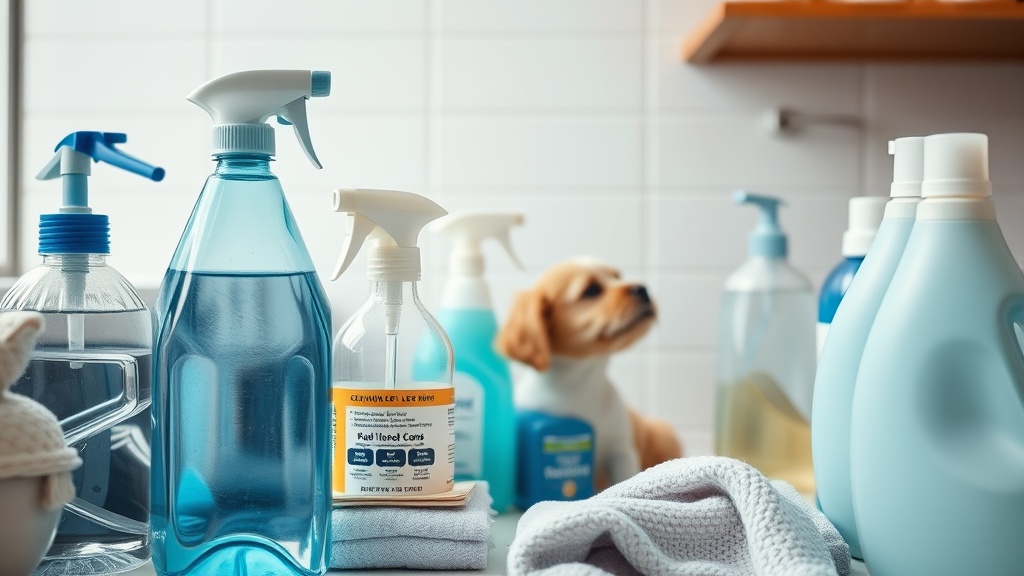
If you’re trying to reduce the mountain of single-use plastic and packaging waste piling up in your home but feel overwhelmed by the choices, refillable household products offer a practical path forward. Zero-waste living hinges on cutting disposable containers and excessive packaging, but not all refillable options are created equal. Understanding which refillables genuinely slash waste and save money, how concentration ratios affect your cost and storage, and what to watch for with ingredient transparency can help you make informed, sustainable swaps.
What Are Refillable Household Products?
Refillable household products come in containers designed to be replenished multiple times rather than discarded after one use. These include cleaning supplies, personal care items, laundry detergent, and more. Refills typically arrive either in bulk pouches, cartridges compatible with a base container, or concentrates that you dilute yourself.
The goal is to minimize single-use plastic bottles and containers entering your waste stream while maintaining convenience and effectiveness. Many refill options enable you to keep a durable, long-lasting container on hand, drastically reducing your packaging waste over time.
See also: Zero-Waste Cleaning Hacks Using Refillable Household Essentials
How Refillable Products Work to Cut Waste
Phone cases · 15% off first order
Galaxy Case Co.Built for Galaxy. Ready for impact. Code FIRST15GALUnlike single-use bottles, refillable solutions aim to reduce the plastic used per volume of product. There are two main approaches:
-
Bulk Refills: You buy a large pouch or container, often with thinner plastic or even compostable materials, intended to refill durable bottles you already own. This cuts down on the total plastic and packaging weight shipped.
-
Concentrates: Highly concentrated formulas are diluted in your existing refillable bottles. This reduces shipping volume, packaging, and plastic because you’re buying less water and more active ingredients. Concentration ratios here are crucial to evaluate how much product you ultimately get per refill.
You then simply transfer the refill or mix according to instructions, keeping your original bottle and reducing waste.
When to Use Refillable Products in Your Home
Refillable products shine in frequently used categories with high packaging waste:
- Laundry detergents: Large concentrations can replace 2-3 bottles per refill.
- Dish soaps: Bulk refills and concentrates lower plastic use.
- Multipurpose cleaners: Frequent use means many single bottles discarded without refills.
- Personal care (shampoos, body wash, deodorants): Durable containers with refill pouches reduce plastic.
- Hand soaps: Refillable pump bottles with third-party or brand-name bulk refills.
They’re most effective when you commit long-term, use compatible refill options to avoid excess packaging (such as bulky plastic cartridges), and have the storage space for larger bulk refills.
Key Metrics to Evaluate Refillable Options
Phone cases · 15% off first order
Phone Case GiftFun finds for every vibe. Code FIRST15GIFT1. Concentration Ratio
The concentration ratio tells you how much product you get after diluting a concentrate compared to buying the ready-to-use product in bottles. For instance, a concentrate with a 1:10 ratio means 1 part concentrate is diluted with 10 parts water. This often results in buying less water and plastic per use.
High concentration ratios generally translate to significant plastic reduction and shipping weight savings. However, very high concentrations sometimes require more care in measuring and mixing, so choose products matching your household routine.
2. Packaging Material and Weight
Lightweight pouches, compostable bags, or paper-based packaging create less plastic waste compared to rigid plastic cartridges, which sometimes add unneeded plastic layers. Always check if the refill packaging itself offers recycling or composting options.
3. Cost per Use
Refills aren’t always cheaper sticker-price—however, the cost per use or per ounce often outperforms buying standard bottles. When comparing:
- Include any upfront investment in a reusable base container.
- Factor in dilution ratios to calculate real product volume.
- Watch for subscription or bulk discounts that reduce costs further.
4. Ingredient Transparency
Zero-waste living values ingredient visibility to avoid toxins and microplastics that undermine sustainability. Some refill brands openly list complete ingredients and formulation details, while others rely on vague terminology. Selecting products with clear, safe ingredient lists aligns better with long-term health and environmental goals.
Common Pitfalls with Refillable Household Products
- Non-compatible cartridges: Proprietary refills locking you into expensive plastic cartridges can reduce benefits.
- Over-packaged refills: Refills packed in rigid plastic containers instead of flexible pouches increase waste.
- Confusing concentration instructions: Poor directions can lead to overuse or ineffective dilution, wasting product.
- Upfront container cost: Reusable bases can be pricey, although costs amortize over reuses.
- Ingredient trade-offs: Some refillables use concentrated chemicals or fragrances that may affect indoor air quality.
Comparison Table: Bulk Pouch Refill vs Concentrate Refill vs Compatible Cartridge
Phone cases · 15% off first order
Phone Cases For AllCases that match your energy. Code FIRST15ALL| Feature | Bulk Pouch Refill | Concentrate Refill | Compatible Cartridge |
|---|---|---|---|
| Packaging Waste | Low (thin pouches, often recyclable) | Very low (small volume shipped) | Medium (rigid plastic cartridge) |
| Concentration | Usually pre-diluted | High concentration (mix yourself) | Pre-mixed, similar to bottled product |
| Cost Efficiency | Generally good, bulk discounts common | Best savings long-term due to concentration | Moderate, cartridge premium pricing common |
| Ease of Use | Easy, pour to refill | Requires measuring and mixing | Very easy, snaps into base container |
| Ingredient Transparency | Varies, usually relatively clear | High transparency often available | Varies, sometimes proprietary blends |
| Environmental Impact | Significantly lower plastic use | Lowest plastic and shipping footprint | Variable, sometimes docking plastic waste |
| Best Use Scenario | Households committed to reuse with storage space | Zero-waste enthusiasts comfortable with DIY mixing | Those prioritizing convenience over waste |
Actionable Advice to Get Started with Refillable Products
- Evaluate your current waste: Track which single-use bottles dominate waste and target those first for replacement.
- Invest in a durable base container: Choose stainless steel or thick glass with secure lids.
- Start with concentrated laundry or dish soap: These see frequent use and packaging waste.
- Compare refill options: Calculate cost per use and plastic reduction based on your household size and consumption.
- Opt for transparent ingredient listings: Check if product labels and websites provide full disclosure.
- Limit cartridge refills: Choose brands or third-party refill pouches instead of locked-in cartridges when available.
- Use subscription or bulk ordering: Reduce overall costs and packaging frequency.
- Store refills properly: Keep pouches or bottles in cool, dry places to avoid spoilage.
- Share with neighbors or friends: Split large bulk refills to reduce waste and cost further.
Top Picks

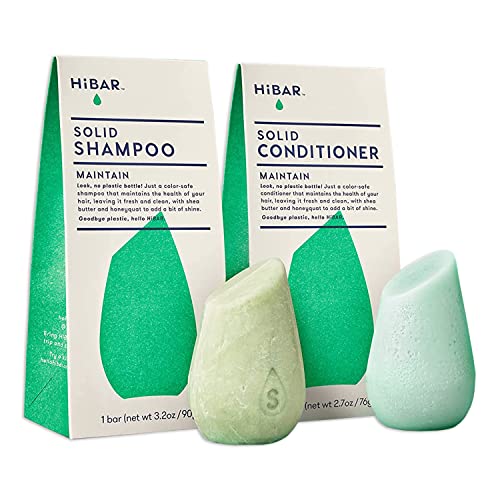
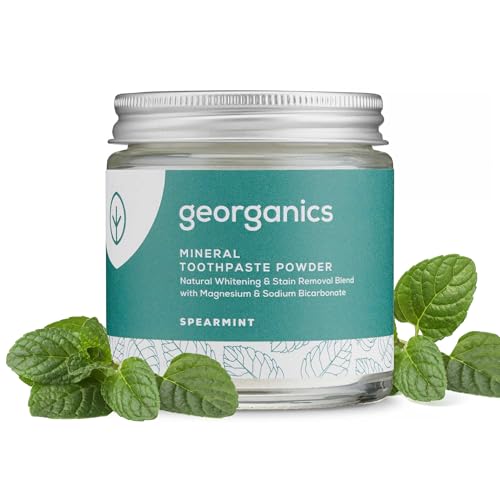
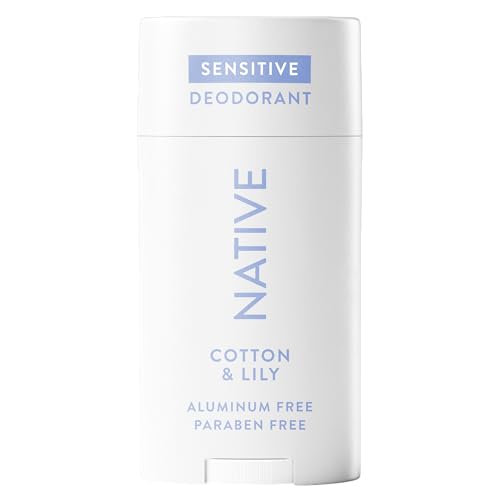
Watchdog picks
- B07Q5J5XJLCheck on Amazon → ·
- B07P5BNQJGCheck on Amazon → ·
- B000NL0T1KCheck on Amazon → ·
- Soldering Iron Kit, 60W LED Display Digital Solder Pen, 5 Replaceable Tips, 21-iCheck on Amazon → ·
- B00762AHTECheck on Amazon → ·
- Soldering Iron Kit, 60W Adjustable Temperature, Digital Multimeter, 5pcs SolderiCheck on Amazon → ·
- Niagara Sleep Solution Ultra Soft Queen Size Mattress Topper - Rayon Derived froCheck on Amazon → ·
- VEOZAH 45 MG TABCheck on Amazon → ·