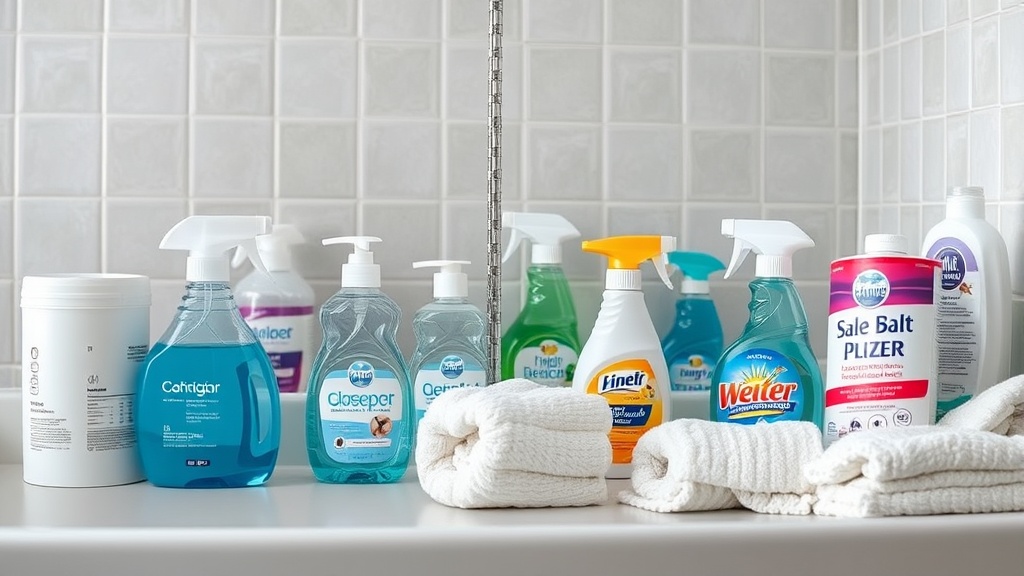
Choosing sustainable household cleaning products can feel overwhelming: Many brands claim “eco-friendly” or “refillable,” but how do you know which truly cut down on single-use plastic, avoid harmful ingredients, and save you money in the long run? At RefillWatch, we focus on practical picks that balance environmental benefit, cost-effectiveness, ingredient transparency, and genuine plastic waste reduction. Here are our best picks for sustainable household cleaning products, broken down by product type with clear trade-offs and refill options.
What Makes a Household Cleaning Product Sustainable?
Before diving into our picks, it’s crucial to understand what sustainability means in this context. Sustainable cleaning products:
- Minimize single-use plastic by using refill systems, compostable packaging, or bulk concentrates.
- Contain ingredients that are biodegradable, non-toxic, and transparent in formulation.
- Offer concentrated formulas to reduce packaging waste and transportation emissions.
- Provide refill options that genuinely reduce plastic waste, not just the appearance of sustainability.
- Are cost-effective compared to traditional single-use products, encouraging long-term use.
See also: RefillWatch Insights on Choosing Concentrates for Household Cleaning
Our Top Sustainable Household Cleaning Product Picks
Phone cases · 15% off first order
Galaxy Case Co.Built for Galaxy. Ready for impact. Code FIRST15GALWe’ve ranked categories by their overall impact and ease of adoption, including dishwashing liquids, all-purpose cleaners, laundry detergents, and glass cleaners. For each, we outline key features, refill system effectiveness, cost implications, and ingredient transparency.
| Product Category | Concentration & Waste Reduction | Refill Options | Cost Efficiency | Ingredient Transparency | Best Use Case |
|---|---|---|---|---|---|
| Dishwashing Liquid | High concentration (3-5x) | Compatible third-party pouches/cartridges | 30-50% cheaper than single-use bottles | Often includes surfactants, mild solvents listed | Everyday kitchen use |
| All-Purpose Cleaner | Medium concentration (2-3x) | Brand-name refill sachets or DIY concentrates | Comparable to bulk buying | Usually plant-based or citrus-derived ingredients | Surfaces throughout home |
| Laundry Detergent | Very high concentration (5-10x) | Compatible capsules and pouches | Up to 60% cost savings with refills | Enzyme blends, lower phosphate content common | Clothes, linens, sensitive skin options |
| Glass Cleaner | Lower to medium concentration | Concentrate bottles for dilution | Slight savings, depends on dilution | Alcohol-based or vinegar alternatives | Glass, mirrors, stainless steel |
1. Dishwashing Liquid: Concentrates and Compatible Refills Win
Dishwashing liquids are often watery, heavy, and sold in large PET bottles with minimal recycling rates. Switching to concentrated refills can cut plastic waste substantially.
How It Works
Most sustainable options come as high-concentration formulas—up to 5 times stronger than standard liquids—that require dilution. Refills are often offered in lightweight pouches or refill cartridges compatible with established dispensers.
Why It’s Sustainable
- Up to 80% less plastic per cleaning cycle.
- Cheaper shipping and storage due to reduced volume and weight.
- Transparent ingredient listings often show simpler surfactant bases, avoiding harsh chemicals.
Cost Comparison Example:
| Format | Volume | Price per Liter | Estimated Dishes per Liter | Cost per Dish |
|---|---|---|---|---|
| Single-use Bottle | 500 ml | $4.00 | 50 | $0.08 |
| Concentrate Refill | 250 ml (makes 1.25 L) | $6.00 | 125 | $0.048 |
Switching to concentrates reduces your cost per dishwashing session by nearly 40% along with solid plastic waste cuts.
2. All-Purpose Cleaners: Sachets and DIY Concentrates
Phone cases · 15% off first order
Phone Case GiftFun finds for every vibe. Code FIRST15GIFTOften sold in flimsy spray bottles, all-purpose cleaners are prime candidates for refill adoption.
How It Works
These are available both as brand-name refill sachets and unbranded concentrate powders or liquids you mix yourself. DIY mixes can slash packaging by 90% or more.
Ingredient Transparency
Look for formulations listing biodegradable surfactants (like coco glucoside), plant oils, and essential oils rather than synthetic fragrances or quats.
When to Use
Perfect for kitchen counters, bathrooms, and general surface cleaning. Avoid use on delicate stone surfaces unless ingredient compatibility is confirmed.
3. Laundry Detergents: The Highest Concentration Impact
Laundry detergents represent some of the most plastic-intensive products in the home due to size and frequent use.
Concentration Ratios
Detergent concentrations can range from 5x to 10x that of traditional formulas — accounting for a dramatic reduction in bottle size and plastic waste.
Refill Formats
- Pre-measured pods/capsules: Convenience but often single-use plastic pods create other waste streams.
- Concentrate pouches: Refilling rigid bottles, highly recommended as they cut plastic waste without sacrificing convenience.
Cost-Effectiveness
Concentrates often retail at prices that look higher per volume but offer discounts of 40-60% per load over single-use bottles.
4. Glass and Window Cleaners: Dilution Concentrates Rule
Phone cases · 15% off first order
Phone Cases For AllCases that match your energy. Code FIRST15ALLGlass cleaners usually contain alcohol or ammonia derivatives which evaporate cleanly but are sold mostly as diluted liquids.
Concentrate Benefits
Dilution concentrates reduce shipping weight and plastic waste dramatically. You buy a smaller bottle of concentrate and add your own water.
Ingredient Notes
Prefer alcohol- or vinegar-based formulas over ammonia for less indoor air irritation and better biodegradability.
How to Choose Sustainable Refills That Actually Reduce Plastic
- Check Concentration Ratios: Higher concentration means less packaging needed per clean.
- Compare Cartridge vs Pouch Waste: Pouches generally use less plastic but may be incompatible with certain dispensers.
- Read Ingredient Labels: Avoid undisclosed “fragrance” or “preservative” compounds.
- Cost Mathematics: Calculate cost per use, not per bottle—many concentrates might seem more expensive upfront.
- Beware Greenwashing: “Refillable” bottles that require buying bulky plastic cartridges may not deliver real waste reductions.
Top Picks


Watchdog picks
- B000VKGRF0Check on Amazon → ·
- B08PDHVZ4NCheck on Amazon → ·
- B002R5AF1ICheck on Amazon → ·
- Soldering Iron Kit, 60W Adjustable Temperature, Digital Multimeter, 5pcs SolderiCheck on Amazon → ·
- B01N4QAK9OCheck on Amazon → ·
- Utopia Bedding Bed Pillows for Sleeping Queen Size (Blue), Set of 6, Cooling HotCheck on Amazon → ·
- B000N3BBW0Check on Amazon → ·
- Soldering Iron Kit, 80W 110V LCD Digital Solder Iron Pen with Ceramic Heater, PoCheck on Amazon → ·