
RefillWatch Guide to Plastic-Free Cleaning Solutions at Home
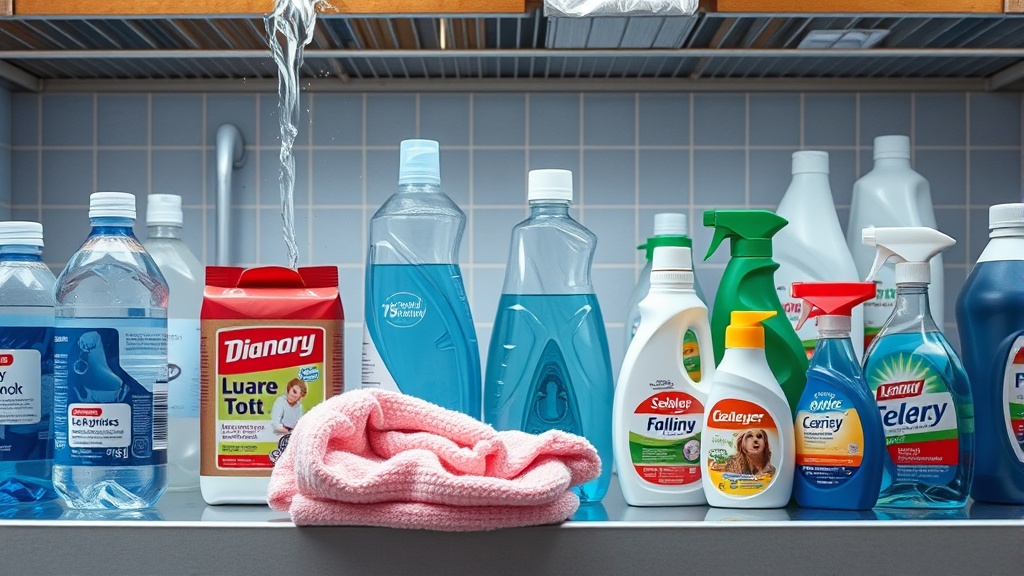
If you’ve found yourself drowning in single-use plastic bottles and containers just to keep your home clean, you’re not alone. Many households unknowingly generate pounds of plastic waste annually from conventional cleaning products. These bottles often end up in landfills or oceans, contributing to an environmental crisis that’s hard to ignore. This guide provides practical, non-hypey advice on transitioning to plastic-free cleaning solutions at home — focusing on ingredient transparency, refill economics, and how to identify refill options that actually reduce waste.
See also: How to Refill Your Own Bathroom Cleaning Solutions at Home
What Are Plastic-Free Cleaning Solutions?
Phone cases · 15% off first order
Galaxy Case Co.Built for Galaxy. Ready for impact. Code FIRST15GALPlastic-free cleaning solutions replace traditional cleaning products packaged in single-use plastic with options that minimize or eliminate plastic waste. These can include:
- Concentrated cleaning formulas sold in cardboard boxes or glass bottles
- Cleaning tablets or powders dissolved in water at home
- Refillable containers with compatible cartridges or bulk refills from zero-waste stores
- DIY cleaning recipes made from common pantry ingredients like vinegar, baking soda, and lemon juice
The goal is to reduce plastic waste upstream and cut down on the environmental footprint related to manufacturing, transportation, and disposal of plastic packaging.
How Plastic-Free Cleaning Solutions Work
Concentration and Refill Systems
Many plastic-free options rely on highly concentrated formulas. Instead of a diluted cleaner in a large plastic bottle, you get a small concentrated bottle or packet that you dilute with water at home in a reusable bottle. This approach reduces both packaging weight and volume, leading to less plastic overall and fewer emissions during transport.
Some brands and refill stores offer reusable spray bottles or glass containers paired with bulk refill packs. You refill these bottles multiple times instead of discarding plastic bottles after one use.
Ingredient Transparency and DIY
Plastic-free often aligns with ingredient transparency since many refill providers emphasize plant-based, biodegradable ingredients. This lets you avoid harsh chemicals often hidden in proprietary formulations.
Alternatively, you can make your own cleaners with simple ingredients like:
- White vinegar (all-purpose cleaner and glass cleaner)
- Baking soda (abrasive scrub)
- Lemon juice (natural bleach and deodorizer)
- Castile soap (gentle liquid soap base)
These DIY solutions can be stored in glass or metal bottles indefinitely.
When to Use Plastic-Free Cleaning Solutions
Phone cases · 15% off first order
Phone Case GiftFun finds for every vibe. Code FIRST15GIFT- You want to drastically reduce your plastic consumption in personal care and household cleaning.
- You’re committed to ingredient transparency and avoiding harmful chemicals.
- You’re looking for cost-effective alternatives where concentrated refills reduce overall spend.
- You have access to refill stations or bulk stores where you can refill glass or stainless steel bottles.
- You want to reduce waste but are wary of branded “refillable” claims that don’t actually save plastic.
Common Pitfalls and How to Avoid Them
| Pitfall | Why It Happens | How to Avoid |
|---|---|---|
| Buying “refillable” products with hidden plastic | Some brands use plastic cartridges that still need to be thrown away or recycled | Focus on truly reusable containers and compatible third-party refill packs that cut plastic |
| Paying more for “eco-friendly” packaged concentrates | Premium pricing for branding can negate savings | Look carefully at concentration ratio and cost per use versus bottled products |
| Overcomplicating DIY mixes or using less effective formulas | Following vague recipes or expecting them to work like commercial cleaners | Start with trusted simple recipes, test effectiveness on small areas |
| Not tracking refill cost savings | Missing data on how much money you actually save or spend | Keep records comparing costs per cleaning cycle or per liter |
| Storing DIY solutions too long without preservation | Loss of effectiveness or smell changes with time | Make small batches regularly, store in glass away from light |
The Economics of Plastic-Free Refill: Concentration Ratios and Cost
Phone cases · 15% off first order
Phone Cases For AllCases that match your energy. Code FIRST15ALLOne of the most practical reasons to switch to plastic-free cleaning is cost savings over time, especially when using concentrated formulas. Here’s how concentration impacts cost and plastic waste:
- Concentration ratio: How much you dilute one unit of concentrate. For example, a 1:10 ratio means one part concentrate to 10 parts water.
- The higher the concentration, the fewer bottle refills you need, thus less plastic waste.
- Bulk concentrates typically cost more upfront but save money in the long term by stretching across multiple uses.
Example Cost Comparison
| Product Type | Unit Cost (USD) | Concentration | Uses per Unit | Cost per Use | Plastic Waste per Use |
|---|---|---|---|---|---|
| Single-use plastic bottle | $5.00 | N/A | 1 | $5.00 | 1 full plastic bottle |
| Concentrate (1:10) | $10.00 | 1:10 | 10 | $1.00 | 0.1 bottle equivalent (refill bottle reused) |
| DIY vinegar/baking soda* | $3.00 | N/A | 30 | $0.10 | None (stored in reusable) |
*Estimated cost per batch including container amortization.
As seen above, concentrates and DIY solutions can reduce both cost and plastic footprint dramatically.
Which “Refillable” Claims Actually Save Plastic?
Not all products marketed as “refillable” are created equal. Here are the key categories and their waste impact:
| Refillable Type | Plastic Waste Saved | Common Issues / Notes |
|---|---|---|
| Compatible third-party refills | High (no new bottle needed) | Some brands lock cartridges, so check compatibility |
| Brand-name cartridge refills | Medium (plastic cartridge reused) | Still some extra plastic waste from cartridges |
| Reusable bottle with bulk powder | Very high (bulk powder & water only) | Requires user effort to mix and measure |
| Plastic bottle “refill” stations | Medium (some reuse but bottles often still plastic) | Limited availability, some residual plastic production |
| Disposable bottles with refill pack inside | Low (plastic pack still discarded) | Packs often hard to recycle |
If your goal is plastic elimination (not just reduction), choose truly reusable containers refilled with bulk concentrates or powders, or use DIY methods stored in sturdy reusable bottles.
How to Start Transitioning to Plastic-Free Cleaning at Home
-
Audit Your Current Cleaning Supply
Track how many plastic bottles you buy annually and what types of cleaners they are. Estimate your total plastic waste from these items. -
Choose Priorities
Start with cleaners you use most frequently like all-purpose spray, dish soap, or laundry detergent to maximize plastic savings. -
Find Concentrated or Refills
Look for refill packs or concentrate formulas sold online or in refill stations near you. Check concentration ratios and ingredient labels. -
Invest in Durable Storage
Buy a couple of good-quality glass or stainless steel spray bottles and containers to refill repeatedly. -
Test DIY Recipes
Try simple DIY cleaner recipes for windows, countertops, or floors. Adjust for effectiveness and convenience. -
Track Your Cost and Plastic Savings
Keep receipts or notes on how many uses each refill delivers and your plastic waste avoided. -
Scale Up Gradually
Once you find reliable refills or recipes, replace more products over time.
Top Picks



Watchdog picks
- B00PB6F2V4Check on Amazon → ·
- B01N7V39UOCheck on Amazon → ·
- B001ET73J2Check on Amazon → ·
- 60W Adjustable Temperature Soldering Iron Kit - 9-in-1 With 5 Tips, Solder Wire Check on Amazon → ·
- B000N3BBW0Check on Amazon → ·
- B000NL0T1KCheck on Amazon → ·
- HQ Replacement Soldering Iron For Hakko FX-8801 FX-888D StationCheck on Amazon → ·
- Utopia Bedding Bed Pillows for Sleeping Queen Size (Blue), Set of 6, Cooling HotCheck on Amazon → ·
Products in this guide
- Dawn Ultra Dish Soap, Original Scent, 75 fl oz (2-Pack)Check on Amazon →
- Lodge Seasoned Cast Iron Skillet 6.5 Inches - PFAS-Free, Non-Toxic Cookware - Use with an Oven, Stove, Grill, or Campfire - Naturally Non-Stick & Oven SafeCheck on Amazon →
- Lodge Cast Iron Set - 5-Piece Set - Pre-Seasoned Kitchen Set - Skillets, Griddle & Dutch Oven Included - PFAS-Free Non-Toxic CookwareCheck on Amazon →
- Scott 1000 Sheets Per Roll Toilet Paper, 36 RollsCheck on Amazon →