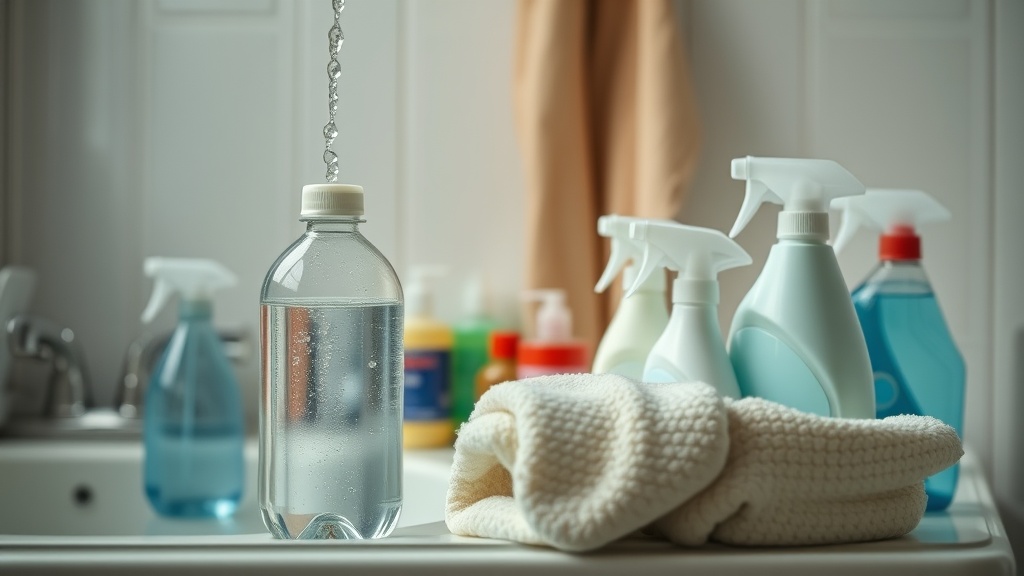
Cleaning your home without creating excess plastic waste or overspending can feel like a juggling act. Many households want to switch from traditional single-use cleaning products to refillable options but aren’t sure if the switch truly saves money or reduces environmental impact. This article breaks down the realities of refillable versus traditional cleaning products, focusing on cost-effectiveness, environmental benefits, ingredient transparency, and how to spot claims that actually make a difference.
What Are Traditional vs Refillable Cleaning Products?
Traditional cleaning products typically come in single-use plastic bottles or containers. Once you use up the contents, you toss the empty packaging into recycling or landfill — though many such containers end up as waste due to recycling contamination or local limitations.
Refillable cleaning products use bottles or dispensers designed for reuse. Instead of buying a new bottle each time, you purchase a concentrated formula, cartridge, or pouch to refill your container. This system aims to cut plastic waste and sometimes reduce shipping weight.
See also: Zero-Waste Cleaning Hacks Using Refillable Household Essentials
How Do Refillable Systems Work?
Phone cases · 15% off first order
Galaxy Case Co.Built for Galaxy. Ready for impact. Code FIRST15GALRefillables come in different formats:
- Concentrated liquids in pouches or small bottles that you dilute with water at home.
- Cartridges or pods that fit into a reusable dispenser, often designed by the brand.
- Bulk refill stations at stores where you bring your container to refill direct from a tap.
Most refillable products depend on a concentration ratio — the strength of the concentrate versus the diluted cleaning liquid. Higher concentration means you buy less packaging and transport less water, trimming costs and emissions.
Cost Comparison: Refillable vs Traditional
To truly compare, you need to look beyond shelf price and consider:
- Concentration and effective volume of cleaning solution.
- Cost of the initial reusable dispenser.
- Price per use after dilution or refilling.
- Costs of disposal or recycling of single-use packaging.
Example Cost Calculation
Suppose a traditional spray cleaner bottle is 750ml and costs $4. A refillable concentrate comes in a 250ml pouch costing $6 and makes 2L of cleaning solution after dilution.
- Cost per liter traditional: $4 / 0.75L = $5.33 per liter
- Cost per liter refillable: $6 / 2L = $3.00 per liter
Clearly, the refillable concentrate costs less per liter. However, factor in the reusable spray bottle cost, often $5–$10 upfront, which balances out after a few refills.
Keep in mind that third-party refills or compatible cartridges can vary widely in price and concentration, affecting overall savings.
Environmental Impact: Real Savings or Greenwashing?
Phone cases · 15% off first order
Phone Case GiftFun finds for every vibe. Code FIRST15GIFTPlastic waste reduction is the main environmental benefit touted by refillable products. By buying refills instead of new bottles, you:
- Reduce single-use plastic packaging volume.
- Decrease shipping emissions due to lighter shipments.
- Potentially lower landfill and ocean plastic pollution.
However, ingredient transparency is crucial. Refillables sometimes use more concentrated formulas, which may contain stronger chemicals or higher percentages of biodegradable ingredients. Some traditional products emphasize natural or non-toxic formulas but rely on single-use packaging.
Reusable bottle life cycle also matters. If your refill bottle breaks or is replaced frequently, or if the refill pouches are multi-layer plastic that can’t be recycled, the environmental benefits shrink.
Comparison Table: Refillable vs Traditional Cleaning Products
| Feature | Refillable Cleaning Products | Traditional Cleaning Products |
|---|---|---|
| Plastic Waste | Reduced plastic waste due to fewer bottles | More single-use plastic waste |
| Cost per Use | Usually lower cost per liter when factoring concentration and reuse | Higher cost per liter, packaging included |
| Ingredient Concentration | Typically higher concentration to minimize refill size | Pre-diluted, ready-to-use formula |
| Convenience | Requires mixing or cartridge replacement | Ready-to-use, no preparation |
| Transparency on Ingredients | Varies; some disclose concentration and source; others less transparent | Often clearer labeling; may include ingredients disclosure |
| Package Recyclability | Refill pouches often difficult to recycle; bottles are reusable | Bottles usually recyclable but single-use |
| Initial Investment | Requires buying reusable dispensers | No investment; buy and discard |
When to Use Refillable Cleaning Products
- If you have stable routines: Refillables work best when you have a regular system (like weekly or monthly refills), maximizing reuse of dispensers.
- If reducing plastic is a priority: Households trying to significantly cut single-use plastic will benefit most.
- If you are comfortable with dilution: Mixing concentrated formula or replacing cartridges can be a small inconvenience but pays off environmentally and financially.
- If you value lower shipping emissions: Concentrated refills reduce bulk and water transport.
When Traditional Products May Make More Sense
Phone cases · 15% off first order
Phone Cases For AllCases that match your energy. Code FIRST15ALL- If you want ultimate convenience with no prep.
- If your local recycling does effectively handle the bottles.
- If you prefer transparent ingredient listings and are wary of high-concentration chemicals.
- If your household rarely uses refill products, limiting economic/environmental benefit.
Common Pitfalls to Watch Out For
- Confusing concentration ratios: Some refills advertise volume but not effective cleaning volume after dilution.
- Non-recyclable refills: Pouches may be multi-material and unrecyclable; check local options.
- Refill bottle durability: Low-quality bottles may break or degrade quickly, creating waste.
- Ingredient transparency claims: Not all refillables are greener chemically; read labels or manufacturer disclosures.
- Third-party refill compatibility: Using non-brand refills can void reusability or cause quality issues.
Tips for Switching Successfully
- Choose refill products with clear concentration and ingredient info. This helps you calculate true cost and impact.
- Invest in sturdy reusable bottles. Avoid thin spray bottles that crack after a few uses.
- Check your local recycling policies. Plan to recycle or reuse refill packaging effectively.
- Start slowly. Transition by refilling one product type (like all-purpose cleaner) first to monitor cost and convenience.
- Compare third-party refill options carefully. Some save money but may not meet quality or sustainability expectations.
Top Picks


Watchdog picks
- 280XXL 281XXL Ink for Canon Ink 280 281 Replacement for Canon TR8620 Ink CartridCheck on Amazon → ·
- B07ZPSFVX5Check on Amazon → ·
- Eva-Dry Wireless Mini Dehumidifier, White (E-333)Check on Amazon → ·
- B001EQ4G0OCheck on Amazon → ·
- B01N4IWH2OCheck on Amazon → ·
- B00NQ1CLTICheck on Amazon → ·
- 60W Adjustable Temperature Soldering Iron Kit - 9-in-1 With 5 Tips, Solder Wire Check on Amazon → ·
- B073Q8P6CQCheck on Amazon → ·