
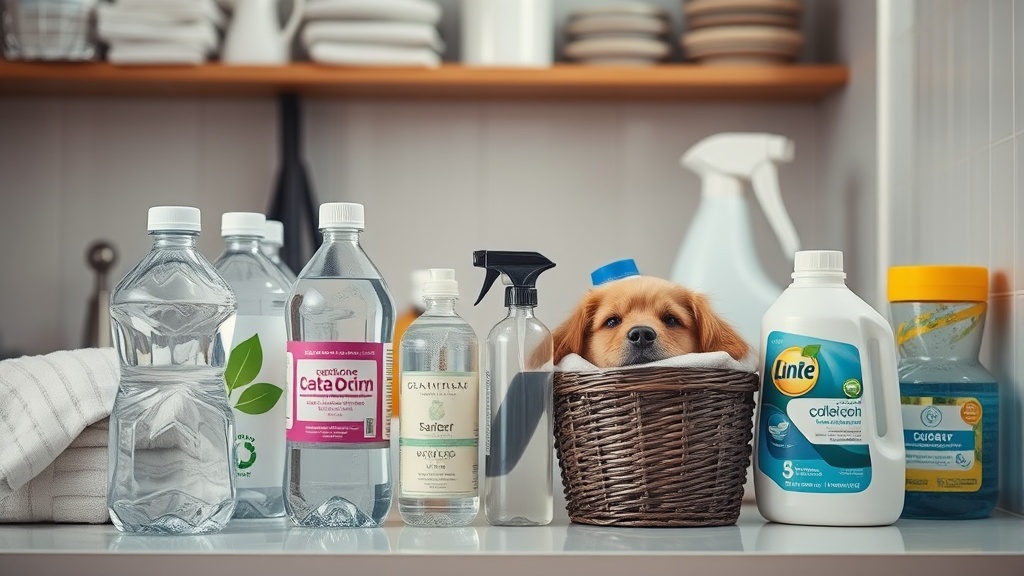
Refillable vs Recyclable Packaging: What Consumers Should Know
If you’re trying to reduce single-use plastic and household-product waste, you’ve probably encountered two common buzzwords on product packaging: refillable and recyclable. But which packaging type actually helps you cut waste and environmental impact? Not all “refillable” or “recyclable” packaging is created equal, and choosing the right option depends on more than buzz—it requires understanding concentration ratios, cost-effectiveness, ingredient transparency, and the real-world waste savings behind refill claims. This guide breaks down key insights to help you make informed, practical choices.
What Is Refillable Packaging?
Refillable packaging is designed to be used multiple times by refilling the container, either from brand-supplied refills (like cartridges or pouches) or third-party refill options. Think of a sturdy container that you don’t throw away after one use, but rather replenish with new product—shampoo, detergent, cleaning spray, soap, or more.
How Refillable Packaging Works
- Containers: Designed from durable materials (glass, thick plastic, metal) to withstand multiple uses.
- Refills: Often super-concentrated liquids, powders, or capsules that reduce waste volume.
- Delivery systems: Some refills come in flexible pouches or cartridges that fit into the original container.
- Setup: Requires consumers to save and store containers and either purchase compatible refill products or use bulk refill stations where available.
When to Use Refillable Packaging
- You want to drastically cut the number of containers you discard.
- Your household regularly uses specific liquid or powder products (dish soap, laundry detergent).
- You have the storage and organizational capacity to manage refills over time.
- You prefer buying concentrated formulas that reduce transport emissions and packaging weight.
Common Pitfalls with Refillable Packaging
- Some brands label thick single-use bottles as “refillable” even though replacements are rarely stocked or expensive.
- Refills may not always be cost-effective compared to buying new bottles.
- Using third-party refills can sometimes cause compatibility or quality issues.
- Concentrated refills require precise dilution, adding user effort and limiting convenience for some.
What Is Recyclable Packaging?
Phone cases · 15% off first order
Galaxy Case Co.Built for Galaxy. Ready for impact. Code FIRST15GALRecyclable packaging is single-use or limited-use packaging designed with materials accepted by most local recycling programs. Common recyclable materials include certain plastics (#1 PET, #2 HDPE), glass, aluminum, and cardboard.
How Recyclable Packaging Works
- Packaging is collected after use and processed by recycling facilities.
- Materials are sorted, cleaned, and re-melted or re-processed into new packaging or products.
- The effectiveness depends on local recycling infrastructure, consumer sorting habits, and contamination levels.
When to Use Recyclable Packaging
- You need convenience without additional steps such as diluting or refilling.
- Your local recycling program is known to accept and efficiently process the packaging material.
- You want to reduce landfill waste but don’t have access to refill markets or bulk options.
- You prefer standard single-use packaging with brand consistency.
Common Pitfalls with Recyclable Packaging
- Recycling rates vary widely by material and region; many plastics labeled recyclable still end up in landfills.
- Containers with mixed materials (like plastic pumps on glass bottles) are harder to recycle.
- Consumer contamination (food residue, mixing materials) reduces recyclability.
- The environmental impact of producing new recyclable packaging remains high compared to reusing containers.
Refillable vs Recyclable Packaging: A Clear Comparison
| Feature | Refillable Packaging | Recyclable Packaging |
|---|---|---|
| Waste Reduction Potential | High, when reused properly over multiple cycles | Moderate, depends on recycling rates |
| Consumer Effort Required | Higher (storing containers, measuring dilutions, managing refills) | Low (use and dispose in recycling bin) |
| Product Concentration | Often concentrated to reduce volume and packaging waste | Usually premixed, volume and packaging larger |
| Cost Effectiveness | Lower cost per use over time if refill pricing is fair | Usually lower upfront cost, no refilling required |
| Ingredient Transparency | Sometimes better: refill often clearer ingredient labels | Often standard; ingredients disclosed per regulation |
| Compatibility Issues | Potential problems with third-party refills | None; new container every time |
| Environmental Impact | Lower lifecycle impact due to few containers manufactured | Impact depends on recycling efficiency |
| Availability | Limited by market and distribution of refills | Widely available in most retail settings |
| Convenience | Lower; requires effort to refill and clean | High; ready-to-use packaging |
How to Evaluate Claims of “Refillable” That Actually Save Waste
Phone cases · 15% off first order
Phone Case GiftFun finds for every vibe. Code FIRST15GIFT- Check container durability: Is the original bottle robust enough for multiple uses? Thin single-use plastics don’t qualify.
- Assess refill options: Are compatible refills reasonably priced and widespread? If you have to buy a whole new bottle labeled as “refill,” that’s not real waste saving.
- Concentration ratio: More concentrated refills mean less packaging waste transported and stored, enhancing benefits.
- Calculate cost per use: Divide the total price by the number of refills you can realistically do. Factor in dilution effort and potential product waste.
- Ingredient transparency: Prefer brands that openly share refill formula ingredients so you know what you’re using and can avoid harmful chemicals.
- Storage and usability: Consider if your household has safe storage space and if users can handle dilution and refilling without mess or error.
Cost Example for Refillable vs Recyclable Packaging
Imagine a household switching a liquid dish soap product from recyclable single-use bottles to refillable containers with concentrated refills.
| Scenario | Unit Size | Unit Price | Number of Uses/Refills | Cost Per Use (approx.) |
|---|---|---|---|---|
| Single-use recyclable bottle | 16 oz (475 ml) | $4.00 | 1 | $4.00 |
| Refillable container | 16 oz initial fill | $6.00 | 10 refills | $0.60 (refill only) |
| Concentrated refill pouch | 8 oz concentrate | $6.00 | Diluted to 16 oz x 10 | $0.60 per refill |
Key takeaway: Although the upfront cost of refillable containers is higher, the cost per use over multiple refills drops significantly, and the amount of plastic waste goes down by a factor of 10 or more.
Ingredient Transparency and Refills
Phone cases · 15% off first order
Phone Cases For AllCases that match your energy. Code FIRST15ALLCheck the label or website for refill ingredients that match or improve on the original formula. Since concentrates need dilution, the ingredient concentration changes. More transparent brands provide full ingredient breakdowns for both original and refill formulae so you can assess environmental impact and safety effectively.
What “Recyclable” Actually Means for Waste Reduction
Unfortunately, “recyclable” on a label doesn’t guarantee the container will be recycled. Recycling systems differ vastly:
- Some plastics (#1 PET, #2 HDPE) are widely accepted and have high recycling rates.
- Other plastics (#3 PVC, #6 PS, multilayer packaging) are rarely recycled.
- Mixing materials (pumps, labels with adhesives) reduce the recyclability.
- Consumer sorting habits and local collection conditions impact actual outcomes.
To reduce packaging waste, always try to:
- Check local recycling guidelines.
- Rinse containers if required.
- Remove non-recyclable parts before disposal.
Final Thoughts
- Refillable packaging is best for households ready to commit to reusing containers and managing refills. It offers better waste reduction and often cost savings if refills are priced right.
- Recyclable packaging appeals to those who prioritize convenience but still want to minimize landfill impact. It requires strong local recycling systems to work well.
- Ingredient transparency and concentration efficiency are important in both systems—more concentrated refills and clear ingredient lists make refill systems more effective and trustworthy.
- Beware of ‘greenwashing’ claims; not every refillable label guarantees environmental benefits.
Consider combining refillable options where possible—such as shampoo, soap, detergent—with diligent recycling practices for single-use items that cannot be refilled.
Top Picks

Watchdog picks
- B07ZPSFVX5Check on Amazon → ·
- B07Q5J5XJLCheck on Amazon → ·
- Fanttik T1 Max Soldering Iron Kit, Cordless Soldering Iron, 7 Seconds Fast HeatiCheck on Amazon → ·
- Soldering Iron Kit, 80W 110V LCD Digital Solder Iron Pen with Ceramic Heater, PoCheck on Amazon → ·
- B08R3R5KXJCheck on Amazon → ·
- B002BWQ6XKCheck on Amazon → ·
- Brother HL-L2300D Monochrome Laser Printer with Duplex PrintingCheck on Amazon → ·
- Field Company Small Cast Iron Skillet – 8.38-Inch Pre-Seasoned Pan for 1–2 ServiCheck on Amazon → ·