
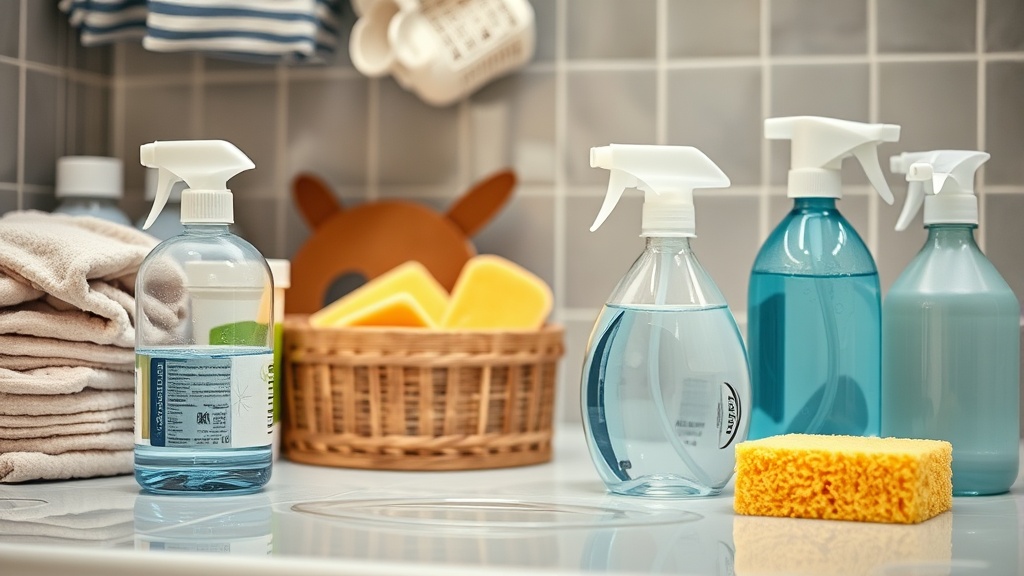
Refillable vs Disposable Sponges: Which Is More Sustainable?
If you’re trying to reduce single-use plastic and overall household waste, deciding between refillable and disposable sponges is a common dilemma. On the surface, disposable sponges may seem convenient and hygienic, but their environmental impact can be significant due to frequent disposal and packaging waste. Refillable sponges tout sustainability benefits, but their real-life impact depends on factors like product longevity, refill availability, and material disposal. This article dives deep into the sustainability trade-offs between refillable and disposable sponges, with ingredient transparency, cost–benefit math, and environmental impact at the forefront to help you make an informed choice.
See also: Refillable vs Recyclable Packaging: What Consumers Should Know
What Are Refillable and Disposable Sponges?
Phone cases · 15% off first order
Galaxy Case Co.Built for Galaxy. Ready for impact. Code FIRST15GALDisposable sponges, traditionally, are single-piece sponges designed to be used until worn or dirty, then discarded. They are often synthetic foam or cellulose-based, packaged individually or in multi-packs, and frequently replaced—sometimes weekly in busy kitchens.
Refillable sponges are usually part of a two-piece system: a durable handle or holder and a replaceable sponge or scrubber insert. Instead of discarding the entire utensil, only the sponge part is replaced. These refills often come in compostable or recyclable packaging and sometimes feature higher concentration of cleaning agents or denser material designed for longevity.
How Do Refillable and Disposable Sponges Work in Practice?
-
Disposable sponges: You typically buy a pack and toss one after it becomes ineffective or visibly dirty. Little thought is given to waste, and usage frequency is high. The sponge’s porous material traps dirt and bacteria, and the synthetic variants often contain plastic components (polyurethane, polyester).
-
Refillable sponges: The main component—the sponge insert—is replaced while the handle is retained. Some brands innovate by offering antimicrobial coatings, natural fiber options, or sponge refills designed for multiple uses before replacement. The holder is usually made of robust plastic or bamboo, designed to last a year or more.
Sustainability Evaluation Criteria
Phone cases · 15% off first order
Phone Case GiftFun finds for every vibe. Code FIRST15GIFTBefore judging which option is more sustainable, consider:
- Material composition & biodegradability: Synthetic plastics persist in landfills; natural cellulose or plant fibers degrade more readily.
- Packaging waste: How much single-use plastic comes with each sponge or refill.
- Use lifespan: How many washes or days a sponge lasts.
- Refill availability & compatibility: Does the replacement part exist beyond first-party brands? Can you buy refills in bulk?
- Waste disposal options: Can you compost or recycle the used sponge material or packaging?
- Cost and concentration: Are sponges treated with concentrated cleaning agents or antimicrobials that prolong life or reduce water/soap usage?
Comparison Table: Refillable vs Disposable Sponges
| Feature | Refillable Sponges | Disposable Sponges |
|---|---|---|
| Typical Lifespan | Weeks to months (refill component only) | Days to weeks per sponge |
| Material | Often natural fibers or synthetic sponge + durable handle | Synthetic foam or cellulose, single unit |
| Packaging Waste | Smaller refill packaging; handle is permanent | Full sponge packaged separately, usually plastic |
| Cost per Use | Higher initial cost; lower ongoing cost with refills | Lower upfront cost; higher aggregate cost |
| Waste Generated | Lower waste volume, only sponge refills discarded | Entire sponge discarded frequently |
| Ingredient Transparency | Often better; concentrated cleaning agents or antimicrobial coatings | Varies widely; less control over additives |
| Compostability/Recyclability | Some brands use compostable sponge refills | Mostly synthetic, often not compostable |
| Availability of Refills | Can be limited, risk of relying on proprietary refills | Wide availability, many brands and price points |
| Effectiveness | Can be equal or better with quality refills | Effective but less durable |
When To Use Each
Phone cases · 15% off first order
Phone Cases For AllCases that match your energy. Code FIRST15ALL-
Choose refillable sponges if:
- You want to reduce plastic use and waste volume significantly.
- You’re comfortable with slightly higher upfront costs in exchange for long-term savings.
- Composting or recycling sponge refills is accessible in your area.
- You prefer ingredient transparency to avoid questionable additives.
- You want a cleaning tool engineered for longer lifespan and concentrated use.
-
Choose disposable sponges if:
- Your priority is immediate low cost with no long-term commitment.
- You don’t have easy access to refill packs or composting facilities.
- You prefer convenience or occasional use (e.g., travel, guest cleanup).
- You need to replace sponges frequently for hygiene reasons and don’t mind the waste trade-off.
Common Sustainability Pitfalls and How to Avoid Them
-
Assuming all refillable sponges are automatically greener
Refillable means less plastic waste only if the refills use biodegradable or recyclable materials and are not replaced too frequently. -
Ignoring packaging waste and sourcing
Buying refills in single-use plastic packaging negates some environmental gains. -
Neglecting proper disposal
Even natural fiber sponges won’t degrade well in landfill or mixed recycling—composting facilities are essential. -
Buying incompatible proprietary refills
If refills are locked to one brand with limited accessibility, there’s risk of waste if availability stops. -
Underestimating usage frequency
A refillable sponge worn out every week still produces waste—look for durable options with antimicrobial properties to extend life.
Cost Considerations: Refillable vs Disposable Sponges
Here’s a simplified example assuming:
- Disposable sponges cost $1.00 each, last 1 week.
- Refillable system costs $6.00 for handle plus $0.75 per refill, refills last 3 weeks.
| Scenario | 12 weeks usage cost | Total sponges/refills used | Estimated waste produced |
|---|---|---|---|
| Disposable | $12.00 (12 sponges) | 12 | 12 full sponges |
| Refillable | $9.75 (1 handle + 4 refills) | 4 refills + 1 handle | 4 sponge refills + 1 handle |
Key takeaway: Although refillable sponges require upfront investment, their cost per use drops over time, and waste volume sharply decreases due to reusable handles and longer-lasting refills.
Ingredient Transparency & Concentration Ratios Matter
Some refillable sponges come pre-treated with cleaning agents or antimicrobial coatings concentrated enough to reduce soap or water usage. This reduces the overall environmental footprint beyond just waste—less detergent runoff and lower water consumption matter in sustainable cleaning.
Disposable sponges often have variable ingredient transparency; some are treated with plasticizers or chemicals that complicate biodegradability and can contribute to microplastic pollution as they degrade.
Ask yourself: does the sponge or refill provide clear ingredient breakdowns? Are any ingredients synthetic, environmentally persistent, or toxic?
Final Thoughts
Refillable sponges offer a clearer path to sustainability by reducing waste volume, improving material choices, and enabling ingredient transparency. However, effectiveness depends on refill availability, local composting/recycling options, and usage habits.
Disposable sponges maintain convenience and broad availability but come with a higher environmental cost if replaced too often and discarded in landfill-bound waste streams.
Ultimately, the most sustainable choice aligns with reducing single-use plastic waste, choosing compostable or natural-fiber materials, buying refills in bulk with minimal packaging, and maintaining good hygiene practices to maximize sponge lifespan.
Top Picks

Watchdog picks
- Astra Platinum Double Edge Safety Razor Blades,100 Blades (20 x 5)Check on Amazon → ·
- B004QM8SLGCheck on Amazon → ·
- WEP 926LED V3 Soldering Station 130W MAX Soldering Iron Kit with Solder Wire, 5 Check on Amazon → ·
- ESTROGEN - METHYLTESTOSTERONE 0.625 MG - 1.25 MG TABCheck on Amazon → ·
- B00SAYAKPKCheck on Amazon → ·
- Utopia Bedding Bed Pillows for Sleeping Queen Size (Blue), Set of 6, Cooling HotCheck on Amazon → ·
- B07YPR2DGHCheck on Amazon → ·
- Field Company Small Cast Iron Skillet – 8.38-Inch Pre-Seasoned Pan for 1–2 ServiCheck on Amazon → ·