
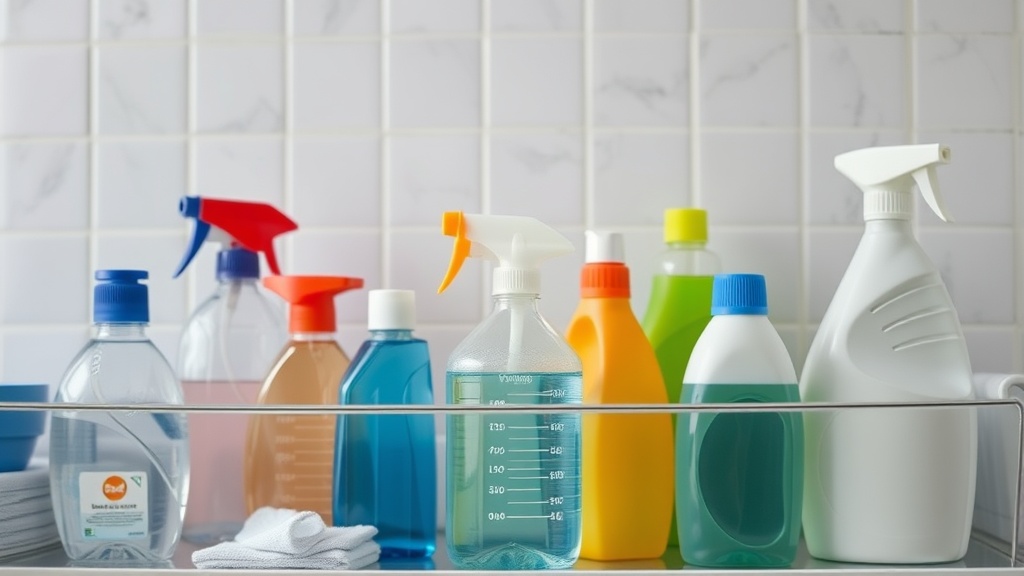
Refillable vs Bulk Cleaning Supplies: Which Saves More Plastic?
If you’re tired of ending up with a cupboard full of half-used plastic bottles every time you buy cleaning products, you’re asking the right question: which option actually reduces plastic waste more — refillable containers or bulk cleaning supplies? Both promise lower plastic impact, but with varying trade-offs in convenience, cost, and real-world plastic savings.
Let’s break down the key factors—plastic saved, cost considerations, ingredient transparency, and refillability claims—to help you make an informed choice that truly cuts single-use plastic without swapping it for other waste.
See also: Refillable vs Concentrated vs Powdered Cleaning Products Explained
What Is Meant by Refillable and Bulk Cleaning Supplies?
Phone cases · 15% off first order
Galaxy Case Co.Built for Galaxy. Ready for impact. Code FIRST15GALRefillable cleaning supplies generally involve a durable bottle or container designed to be reused multiple times. Instead of buying a new plastic bottle every time, you either:
- Refill your bottle at a store station with concentrated or pre-mixed solution
- Use cartridges or pods that dock into the bottle to activate or release product
These systems vary widely: some use brand-name pre-measured cartridges, others sell concentrated refills, while a few use generic third-party refills.
Bulk cleaning supplies means buying larger quantities of traditional cleaning products in bulk packaging, commonly either very large plastic jugs or sometimes bags or cardboard pouches. You then refill your existing spray bottles or containers at home by dispensing from these big containers.
How Refillable and Bulk Cleaning Supplies Save Plastic
Refillable Systems
- Plastic saved: Because the container is intended for longterm reuse, you eliminate one or more rounds of single-use bottles.
- Plastic type: Generally made of thicker, more durable plastic to support refilling cycles, potentially BPA-free or recyclable.
- Waste: Waste comes from any cartridges, pods, or single-use parts used alongside the container.
Bulk Supplies
- Plastic saved: Bulk purchases reduce the overall plastic per unit of product since the container-to-product ratio improves (less packaging per ounce).
- Plastic type: Often the bulk container is the same plastic as original bottles but scaled up, or sometimes flexible pouches that use less plastic but are often not recyclable.
- Waste: Main waste comes from the big container, but since it lasts longer, total waste is reduced.
Comparing Plastic Savings, Cost, and Transparency
Phone cases · 15% off first order
Phone Case GiftFun finds for every vibe. Code FIRST15GIFT| Feature | Refillable Systems | Bulk Cleaning Supplies |
|---|---|---|
| Plastic saved (relative) | High if container reused many times | Moderate-high; less plastic per unit product but container often discarded after use |
| Typical plastic type | Durable, often rigid plastics, recyclable | Large rigid containers or flexible pouches (less plastic but may not be recyclable) |
| Refill sourcing | Concentrates, cartridges, dissolved tablets or pods | Large volume bottles/pouches of finished or concentrated products |
| Cost per use | Usually more cost-effective over time if fully reused; upfront investment in container | Often cheaper upfront per volume, but more plastic per full container than cartridge refills |
| Ingredient transparency | Varies—some systems provide full lists, others use proprietary blends or unclear capsules | Usually clear on labels, the same as regular brand bottles |
| Convenience | Depends on local refill station availability or required purchase of compatible cartridges | Easy to pour at home, no special terminals needed |
| True plastic waste reduction? | Only if bottles and cartridges are reused or refill cartridges minimize plastic | Good reduction but still discards large wrap, limited reuse of container |
| Electrical or mechanical dependency | Some cartridges require special dispensers, charging, or mechanical sprays | No dependencies; manual fill |
| Volume control | Pre-measured cartridges reduce overuse/waste | May lead to overuse or spills when pouring |
When to Use Refillable Systems
- Where refill stations with concentrated mixes or cartridge sales are easily accessible
- When you want convenience and are committed to reusing the same bottle many times
- If you want to avoid handling large volumes of liquid concentrates at home
- When ingredient transparency is less critical and you prefer trusted pre-formulated refills
When to Use Bulk Cleaning Supplies
Phone cases · 15% off first order
Phone Cases For AllCases that match your energy. Code FIRST15ALL- If you shop mainly online or don’t have refill stations nearby
- When you want clearer ingredient labels and control over dilution and usage
- If you’re comfortable handling larger bulk containers and refilling multiple household bottles
- When cost per volume is a priority and upfront cost needs to be low
Common Pitfalls to Avoid
- Assuming all “refillable” systems save plastic: Beware refill cartridges or pods whose plastic component is single-use and can outweigh container savings if usage is low.
- Ignoring concentration ratios: Concentrated liquids can drastically reduce plastic use, but if diluted poorly, you may waste product and packaging.
- Over-purchasing bulk containers that don’t get fully used: Large containers can expire or degrade, resulting in waste.
- Failing to recycle correctly: Durable bottles and cartridges may be recyclable but only if processed correctly in local facilities.
- Choosing refills incompatible with your bottles: Some refill systems only work with brand-specific containers, increasing plastic waste if you switch brands.
How to Maximize Plastic Waste Reductions with Either Option
- Commit to reusing bottles or cartridges for a long time: Longevity is key to offset plastic production impacts.
- Choose refill stations or bulk products with high concentration: More product per plastic used means less waste overall.
- Check recycling guidelines in your area beforehand: Make sure refills and bottles are recyclable locally to close the reuse loop.
- Avoid overbuying and store correctly: To prevent spoilage and waste.
- Prioritize ingredient transparency: So you can avoid unnecessary plastic chemicals and make safe, eco-aware choices.
Top Picks



Watchdog picks
- Soldering Kit, 60W Soldering Iron, 110V Welding Kit with Ceramic Heater, PortablCheck on Amazon → ·
- Downy Fabric Softener Dryer Sheets, April Fresh, 120 CountCheck on Amazon → ·
- B001EQ4G0OCheck on Amazon → ·
- Soldering Iron Kit, 80W 110V Fast Heat up in 10s LCD Digital Adjustable TemperatCheck on Amazon → ·
- LEVOIT Air Purifier for Home Allergies Pet Hair in Bedroom, Covers Up to 1073 ftCheck on Amazon → ·
- Amazon Basics Pre-Seasoned Cast Iron Skillet, Oven Safe, Even Heating, Heat DistCheck on Amazon → ·
- B07R3N9X3FCheck on Amazon → ·
- HQ Replacement Soldering Iron For Hakko FX-8801 FX-888D StationCheck on Amazon → ·