Plastic-Free Toothpaste Options Compared: Tubes vs Refill Packs
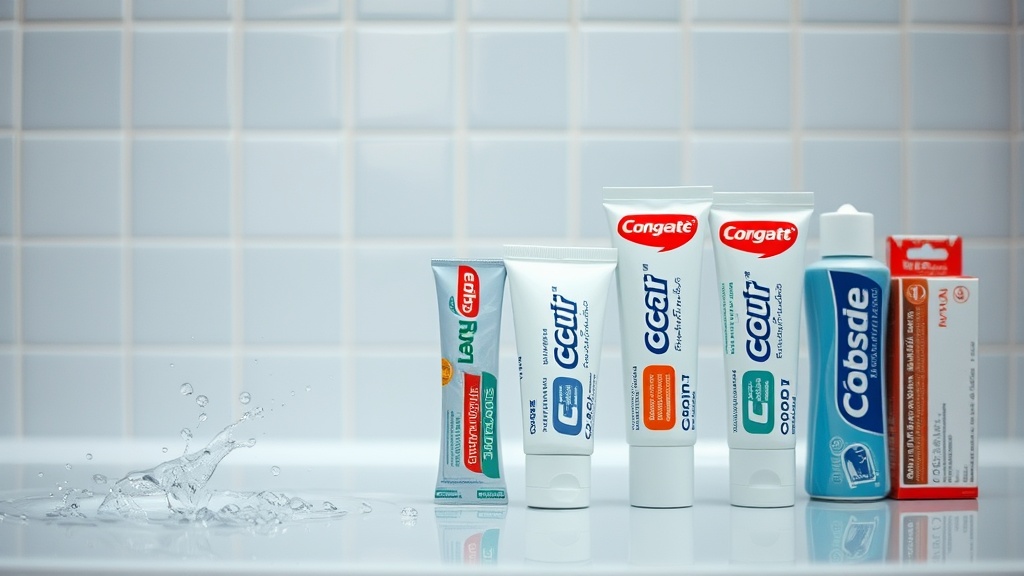
If you’ve started trying to cut down on single-use plastic in your bathroom, toothpaste packaging is an immediate challenge. Traditional toothpaste tubes are almost always made from mixed plastics and laminates, which are hard or impossible to recycle, leading many households to seek out plastic-free toothpaste alternatives. Two popular zero-plastic options are solid toothpaste tubes made from recyclable materials and refill packs designed to reduce waste by topping off an existing container. This article compares these two options to help you decide which is better for your household’s sustainability goals, budget, and convenience preferences.
See also: Refillable Shaving Cream Options for Zero-Waste Grooming
What Are Plastic-Free Toothpaste Tubes and Refill Packs?
Phone cases · 15% off first order
Galaxy Case Co.Built for Galaxy. Ready for impact. Code FIRST15GALPlastic-Free Toothpaste Tubes: These tubes are typically made from materials like aluminum, glass, or fully recyclable paperboard composites. They replace typical plastic laminates with biodegradable or easily recyclable materials, aiming to eliminate the plastic footprint in toothpaste packaging altogether.
Refill Packs: Instead of a traditional tube, refill packs often come as concentrated powder packets, solid toothpaste tablets, or liquid toothpaste pods in minimal or compostable packaging. They are designed to be used with a durable, reusable toothpaste dispenser or container. The user refills the container when empty, drastically cutting down on waste.
Both formats claim to be “plastic-free” or “plastic-reducing,” but how these claims translate into practical benefits varies significantly.
How Plastic-Free Tubes and Refill Packs Work
Plastic-Free Tubes
- Material: Aluminum tubes or paper-based tubes can be recycled through certain local programs or specialized waste streams.
- Use: Similar to traditional tubes, toothpaste is squeezed out directly to a toothbrush.
- Disposal: The empty tube is recycled or composted if the material allows.
Refill Packs
- Material: Often compostable paper, cardboard, or sometimes fully compostable bioplastics.
- Use: Refill packs contain toothpaste in solid, powder, or liquid form. Users refill a reusable container/dispenser, which acts as the primary toothpaste “tube.”
- Disposal: Minimal packaging meant to be composted or recycled; the reusable container is kept indefinitely.
When to Use Each Option
Phone cases · 15% off first order
Phone Case GiftFun finds for every vibe. Code FIRST15GIFT| Feature | Plastic-Free Tubes | Refill Packs |
|---|---|---|
| Convenience | Very convenient — use like regular tube | Slightly more involved, requires refilling container |
| Waste Reduction | Reduces plastic waste, but tube disposal varies by material | Eliminates plastic tube waste with reusable bottle |
| Ingredient Transparency | Packaging usually lists full ingredients | Varies; look for transparent brands given powder/pod travel |
| Cost | Usually higher price per ounce than standard tubes | Often cost-effective per use due to concentration |
| Availability | More widely available in mainstream stores | Mostly online or specialty eco retailers |
| Usage Control | Easy to control amount squeezed out | Slight learning curve for refilling/powder dosing |
| Portability | Lightweight, no prep needed | Reusable container travels well but refills require planning |
| Product Range | Can find multiple types (fluoride, whitening, natural) | Limited types; some formulas may not produce paste, can be gritty |
| Shelf Life | Generally long shelf life in sealed tubes | Needs airtight reusable container to avoid moisture issues |
Concentration Ratios and Cost Considerations
Refill packs often deliver toothpaste in concentrated forms — powders or tablets that expand with water. This concentration means fewer resources (water, packaging) are shipped, and the user effectively gets more toothpaste per unit of packaging material.
For example, a 100g refill powder might be equivalent to 200g of traditional paste once mixed, depending on the formula. This means refill packs can result in significant cost savings over time, despite a higher upfront cost for the reusable container.
On the other hand, plastic-free tubes usually come ready to use, so while the environmental benefit is clear, cost savings are typically less substantial versus refill packs.
Ingredient Transparency and Safety
Phone cases · 15% off first order
Phone Cases For AllCases that match your energy. Code FIRST15ALLWhether using tubes or refill packs, ingredient transparency is crucial. Many eco-focused toothpaste brands emphasize natural ingredients and clear labeling. However, some refill powders may omit full ingredient lists or use novel compounds, especially if homemade or artisan brands are involved.
Always check for:
- Fluoride presence if you prefer fluoride toothpaste for cavity prevention.
- Certification like cruelty-free, vegan, or organic if relevant.
- Avoidance of controversial additives like microplastics (rare in toothpaste now), PEG compounds, and triclosan.
Which Plastic-Free Claims Actually Save Plastic?
Not all “plastic-free” claims mean zero-plastic waste:
- Some tubes are paper-based but have plastic inner linings, complicating recycling.
- Some refill packs use compostable bioplastics that need industrial composting, unavailable everywhere.
- Reusable containers must be durable and long-lived to offer real environmental benefits.
- Concentrated refills that require adding water at home reduce transportation emissions, benefiting sustainability.
In short, the real wins come from:
- Using genuinely recyclable or compostable packaging.
- Choosing refill systems with durable containers that replace single-use tubes.
- Using concentrated formulations that lower packaging weight and volume.
Comparison Table: Tubes vs Refill Packs Summary
| Criteria | Plastic-Free Tubes | Refill Packs |
|---|---|---|
| Packaging Type | Aluminum, glass, or paperboard tubes | Compostable pouches, cardboard boxes |
| Plastic Content | Often zero or minimal plastic | Typically zero plastic; some bioplastics possible |
| Recycling/Compost | Depends on local facilities and material type | Usually compostable or recyclable; reusable container must be kept |
| Usage Convenience | Very easy to use, no prep needed | Requires refilling and sometimes dilution |
| Waste Reduction | Moderate, depends on tube recycle | High – reusable container reduces waste greatly |
| Cost Efficiency | Generally higher cost per use | Often cheaper over long term due to concentration |
| Ingredient Transparency | Similar to typical toothpaste, generally high | Can vary; check carefully for natural, safe ingredients |
| Durability/Portability | Strong, travel-friendly | Travel-friendly but needs container and spoons/tabs |
| Environmental Impact | Reduced plastic, but resource-intensive to recycle | Lower transport/resource footprint, less plastic |
Practical Tips for Choosing Your Plastic-Free Toothpaste Option
- Evaluate your recycling capabilities: If your local recycling accepts aluminum tubes but composting isn’t an option, a plastic-free tube might be more practical.
- Consider your daily habits: If you prefer grab-and-go convenience, tubes might suit you better. If you enjoy DIY-style eco swaps and want to reduce household waste aggressively, refill packs could be worth the effort.
- Factor in budget: Initial refill pack kits have higher upfront cost, but will pay off if you continue refilling long term.
- Check ingredient labels: Neither option guarantees natural or safe formulas; read ingredient lists carefully.
- Test small: Try samples or small sizes first to check taste, texture, and manage refilling.
Common Pitfalls to Avoid
- Buying a refill pack without a good container or dispenser leads to waste.
- Assuming all “paper tubes” are plastic-free – many have plastic linings you can’t recycle.
- Overpaying for kits with unproven environmental claims.
- Ignoring ingredient transparency, especially if sensitive to fluoride or allergens.
- Not planning refill deliveries: running out can force use of plastic-toothpaste alternatives.
Plastic-free toothpaste is a clear opportunity to reduce bathroom plastics, but the choice between tubes and refill packs depends on your priorities. Both offer real benefits over conventional plastic tubes, but understanding trade-offs empowers smarter, more sustainable habit change.
Top Picks

Watchdog picks
- Stuart Weitzman Women’s Metro Slingback Sandal,Palomino Llama Calf,8 M USCheck on Amazon → ·
- B07Q5J5XJLCheck on Amazon → ·
- B07YPR2DGHCheck on Amazon → ·
- B07G82D89GCheck on Amazon → ·
- B01N4QAK9OCheck on Amazon → ·
- InkOwl Compatible Ink Cartridge Replacement for Roland ECO-SOL MAX 2 Printers ESCheck on Amazon → ·
- B08KDQZJQ5Check on Amazon → ·
- Lodge Blacklock 10.25” Triple Seasoned Cast Iron Skillet - Lightweight - Easy CCheck on Amazon → ·
Products in this guide
- Lodge Seasoned Cast Iron Skillet 6.5 Inches - PFAS-Free, Non-Toxic Cookware - Use with an Oven, Stove, Grill, or Campfire - Naturally Non-Stick & Oven SafeCheck on Amazon →
- Lodge Cast Iron Set - 5-Piece Set - Pre-Seasoned Kitchen Set - Skillets, Griddle & Dutch Oven Included - PFAS-Free Non-Toxic CookwareCheck on Amazon →
- Amazon Basics AA Performance Alkaline Batteries, 48-CountCheck on Amazon →
- Niagara Sleep Solution Ultra Soft Queen Size Mattress Topper - Rayon Derived from Bamboo Pillow Top Mattress Pad for Back Pain Relief - Naturally Cooling for Hot Sleepers, GreenCheck on Amazon →