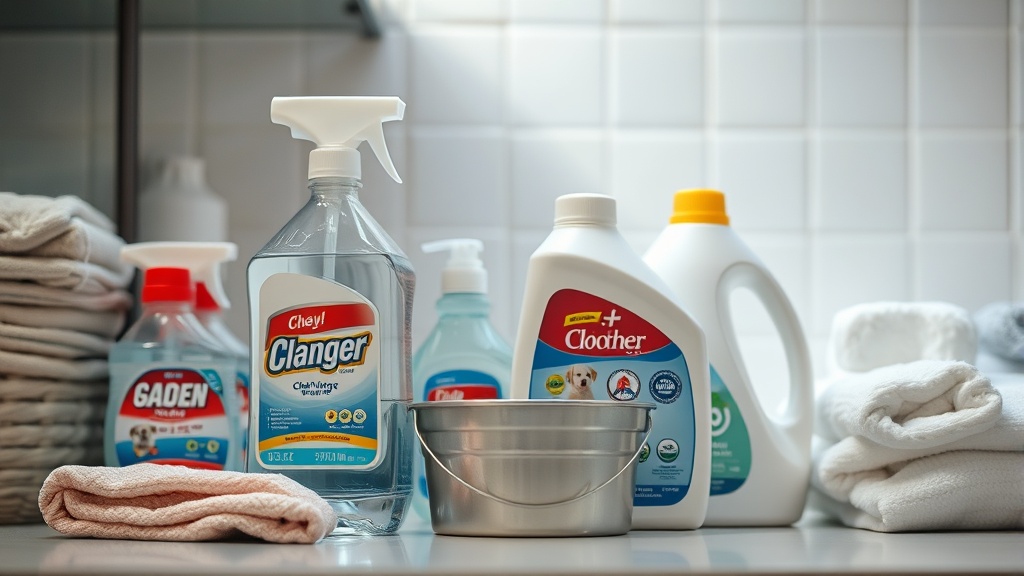
Personal care products like shampoo, conditioner, lotion, and body wash are part of almost every household routine, but the packaging often generates a lot of single-use plastic waste. If you’re trying to cut back on plastic and waste from these items, you might be wondering whether switching to refillable packaging actually makes a meaningful difference compared to sticking with conventional bottles. This article breaks down what refillable packaging is, how it compares to traditional single-use packaging, and what to watch out for when deciding if it’s right for your household.
What is Refillable Packaging in Personal Care?
Refillable packaging means a container designed to be used multiple times by refilling it with the product instead of throwing it away after one use. This can happen in several ways:
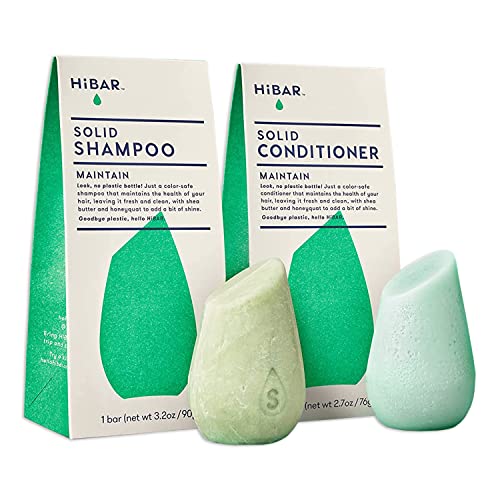
- Brand-specific refill cartridges: You buy a specially sized pouch, cartridge, or smaller bottle from the same brand and pour or pump it into a larger, durable container you own.
- Third-party refill pouches: Independent companies sell concentrated refills compatible with popular bottles, often at lower prices and with less packaging.
- In-store refill stations: You bring your own bottle to a physical location and fill it directly from bulk dispensers.
Refillable packaging contrasts with conventional single-use plastic bottles, which are typically tossed in recycling or garbage after use.
See also: Zero-Waste Living: Refillable Personal Care Products Beginners Guide
How Refillable Packaging Works
Phone cases · 15% off first order
Galaxy Case Co.Built for Galaxy. Ready for impact. Code FIRST15GALAt a manufacturing level, refillable packaging relies heavily on concentrated formulas. Instead of diluting a product to a ready-to-use level (like a typical shampoo bottle containing about 90% water), refill pouches often contain concentrated formulas ranging from 2 to 10 times the product strength of typical retail bottles. The user then dilutes or dispenses the product into the refillable container as needed.
This concentration is key to reducing plastic and transportation emissions, as refills use much smaller packaging and lower volume. Brand refill systems usually come with branded delivery mechanisms—pump bottles or jars designed to last for months or years—to reduce waste.
When to Choose Refillable Packaging
Refillable packaging can fit your lifestyle if you:
- Want to cut down plastic waste sustainably. Refillable containers cut the need to discard entire plastic bottles, especially if you keep using your main bottle for months or years.
- Are okay with more upfront cost. Brand-specific refill bottles or dedicated refill systems sometimes require an initial purchase, which may be higher than conventional packaging.
- Value concentrated formulas and ingredient transparency. Refill product lines often list ingredients more clearly, as concentrates need to adhere to regulatory zoning for concentrated products.
- Prefer minimal packaging storage. Concentrated refills take up less space at home between uses.
- Have refill stations nearby (optional). Stores with bulk dispensing are highly effective at reducing waste if you have access.
When to Stick with Conventional Bottles
Phone cases · 15% off first order
Phone Case GiftFun finds for every vibe. Code FIRST15GIFTConventional packaging may still be suitable if you:
- Need immediate convenience with no setup. Conventional bottles are ready to use and easy to replace on the fly.
- Are sensitive to ingredient changes or formulations. Some refill systems alter concentration or ingredient makeup, which might affect how your skin or hair reacts.
- Live in a household without reliable refill options or compatible bottles. Compatibility issues sometimes arise, requiring frequent purchase of new containers.
- Don’t want to manage the mess or complexity of refilling. Pouring, diluting, and cleaning containers can add friction to your routine.
- Want the lowest upfront cost per bottle. Non-refill bottles are mass-produced and sometimes cheaper at first glance.
Comparing Refillable vs. Conventional Packaging: Key Factors
| Feature | Refillable Packaging | Conventional Bottles |
|---|---|---|
| Plastic Waste per Use | Significantly reduced; one container reused multiple times | High; plastic discarded after each bottle |
| Product Concentration | Typically concentrated formulas requiring dilution | Usually ready-to-use, diluted formulas |
| Upfront Cost | Higher initial cost for the durable container | Lower upfront per bottle |
| Cost per Use | Lower if refills bought in bulk or smaller packaging | Higher due to recurring purchase of full bottles |
| Ingredient Transparency | Often clearer due to concentrated formula regulations | Varies; sometimes less transparent on dilution or fillers |
| Convenience | Requires effort to refill, dilute, and clean container | Ready-to-use, no extra handling needed |
| Storage Space | Less bulky refill pouches | Bulky bottles take more space |
| Compatibility | Can have compatibility limitations with third-party refills | Universal use; no compatibility issues |
| Shelf Life | Concentrated refills tend to last longer unopened | Shorter once opened; less concentrated trash |
The Cost Math: Are Refills Cheaper?
Phone cases · 15% off first order
Phone Cases For AllCases that match your energy. Code FIRST15ALLWhether refillable packaging saves money depends on multiple factors:
- Concentration ratio: A typical bottle of shampoo might be 90% water with diluted surfactants. A refill pouch might be 5x concentrate, meaning you buy less water and packaging per unit of product.
- Cost of brand vs. third-party refills: Brand-specific refills tend to be more expensive than compatible third-party pouches, which leverage economies of scale.
- Container lifespan: The more you reuse the main container, the lower the cost per use. Containers designed for many months minimize single-use rates.
- Your consumption habits: Larger households with frequent use benefit more from refill systems.
For example, if a gallon-sized refill pouch costs $25 and can fill your 16 oz reusable bottle 8 times, your cost per bottle use is about $3.12 plus the upfront cost of the reusable bottle (maybe $10-$15). Compare that to buying individual 16 oz bottles at $7 each, the refill system pays off after 3-5 refills.
Ingredient Transparency: Why It Matters More with Refills
Refill concentrates usually list ingredients explicitly because of regulatory requirements around concentrated chemical products. This gives users more insight into what’s in their products compared to diluted formulations that camouflage actual ingredient ratios.
This transparency can empower consumers to:
- Avoid unnecessary or harmful additives.
- Better understand allergen risks.
- Opt for cleaner, simpler ingredient profiles.
Conventional bottles sometimes list ingredients, but the dilution and opaque filler ingredients can make it harder to compare formulations.
Common Pitfalls in Refillable Packaging
- Compatibility confusion: Third-party refills don’t always fit brand containers, leading to spills or damage.
- Hygiene and contamination: If containers aren’t cleaned properly or stored, bacteria can grow over time.
- Over complexity: The extra steps of diluting or transferring product can deter users from consistent refill habits.
- Ingredient frustration: Some users don’t like texture or performance changes when switching to concentrated formulas.
- Initial cost barrier: The upfront cost of buying durable bottles may discourage trial.
Summary: What Really Saves Plastic and Waste?
Refillable packaging can substantially reduce plastic waste and household product waste, especially when:
- You commit to using the same durable container for many months.
- You choose concentrated refills that shrink packaging size dramatically.
- You prioritize ingredient transparency to avoid over-packaged or filler-heavy products.
- You use third-party or bulk refills with minimal or recyclable packaging.
However, not all refill claims are equal. Some “refillable” claims mean slightly larger bottles you still discard after use, or plastic pouches inside plastic bottles — these do little to reduce waste. Always check:
- Whether the main container is intended for repeated reuse.
- Concentration levels to judge efficiency.
- Clear ingredient listing to avoid hidden chemicals.
- The total lifecycle impact versus convenience.
With thoughtful choices, refillable packaging can be a practical tool in your household’s plastic reduction toolkit.
Top Picks

Watchdog picks
- Niagara Sleep Solution Ultra Soft Queen Size Mattress Topper - Rayon Derived froCheck on Amazon → ·
- Brother HL-L2300D Monochrome Laser Printer with Duplex PrintingCheck on Amazon → ·
- Field Company Mini Cast Iron Skillet – Extra-Small 6.75 Inch, One-Egg Pan, Pre-SCheck on Amazon → ·
- Backcountry Iron 12 Inch Round Large Pre-Seasoned Cast Iron SkilletCheck on Amazon → ·
- Lodge 12” Cast Iron Skillet - Chef Collection - Perfect Sear - Ergonomic HandleCheck on Amazon → ·
- B00NQ1CLTICheck on Amazon → ·
- Soldering Iron Kit, 60W Adjustable Temperature, Digital Multimeter, 5pcs SolderiCheck on Amazon → ·
- B07ZPSFVX5Check on Amazon → ·