
Mustard Price Comparison: Yellow, Dijon, and Specialty Varieties

By Dana Wolff · Editor, RefillWatch
Published May 28, 2026
RefillWatch is reader-supported. When you buy through links on our site, we may earn an affiliate commission, at no cost to you. We’re on the lookout for price increases and smarter shopping strategies, and your support helps us keep tracking.
Mustard Price Comparison: Yellow, Dijon, and Specialty Varieties
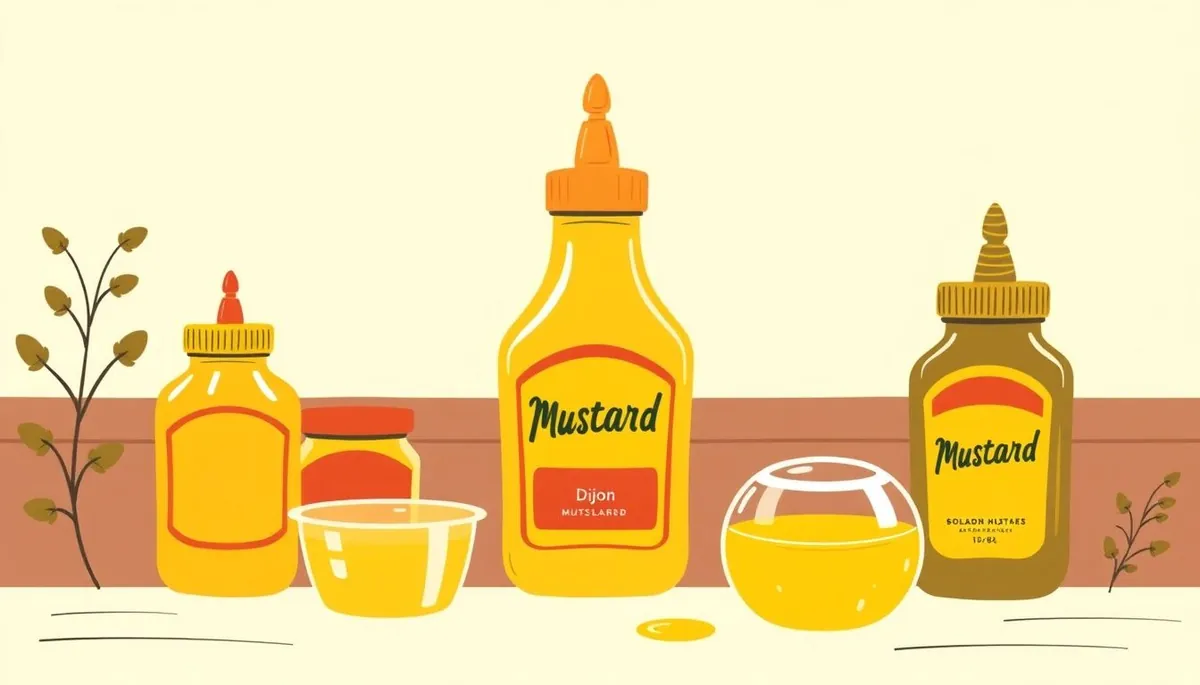
Mustard. It’s a condiment staple, adding zing to everything from sandwiches and hot dogs to salad dressings and marinades. But have you noticed the price creeping up on your favorite jar lately? RefillWatch is on the case, examining the cost per ounce of different mustard varieties – yellow, Dijon, and specialty mustards – to help you make informed choices and catch shrinkflation before it hits your wallet. We’ll break down the price differences, explore potential substitutes, and offer tips for stretching your mustard budget.
Yellow Mustard: The Budget-Friendly Baseline
Yellow mustard, made from ground mustard seeds, vinegar, and spices, is typically the most affordable option. It’s the quintessential ballpark condiment, instantly recognizable by its bright color and mild tang. But even within the realm of yellow mustard, prices can vary.
Brand Name vs. Generic
As with many grocery items, opting for a generic or store-brand yellow mustard can yield significant savings. Consider these examples:
- Brand Name (e.g., French’s): A 14-ounce bottle of French’s Classic Yellow Mustard often retails for around $2.50 - $3.00, translating to roughly $0.18 - $0.21 per ounce.
- Generic/Store Brand: A 12-ounce bottle of a generic yellow mustard can often be found for $1.00 - $1.50, or about $0.08 - $0.13 per ounce.
Switching to a generic brand can save you 30-50% on your yellow mustard purchases. This is a simple swap that adds up over time, especially if you’re a frequent user.
Bulk Buying Considerations
If you go through a lot of yellow mustard, buying in bulk from warehouse clubs like Costco or Sam’s Club might seem like a good idea. However, it’s crucial to check the unit price. Sometimes, the larger size doesn’t translate to a lower cost per ounce. Consider the potential for waste too. If you don’t use the mustard quickly enough, it could expire before you finish it, negating any potential savings.
Dijon Mustard: A Tangy Step Up
Dijon mustard offers a more complex and pronounced flavor profile than yellow mustard. Made with brown or black mustard seeds and white wine, it adds a sophisticated kick to vinaigrettes, sauces, and charcuterie boards. But this added flavor comes at a higher price point.
Price Per Ounce Comparison
Dijon mustard is generally more expensive than yellow mustard, often by a significant margin.
- Brand Name (e.g., Grey Poupon): An 8-ounce jar of Grey Poupon Dijon Mustard typically costs between $4.00 and $5.00, resulting in a price of $0.50 - $0.63 per ounce.
- Generic/Store Brand: A 12-ounce jar of generic Dijon mustard might cost $3.00 - $4.00, or $0.25 - $0.33 per ounce.
Even the generic Dijon options are significantly pricier than yellow mustard. The difference can be anywhere from 2x to 5x the cost per ounce.
Stretching Your Dijon Dollar
Given the higher cost of Dijon, consider using it strategically.
- Mix it with Yellow Mustard: For certain applications, like a basic sandwich spread, you can combine Dijon with yellow mustard to add a touch of Dijon flavor without breaking the bank. Try a 1:1 or 1:2 ratio (Dijon:yellow) to find your preferred balance.
- Focus on Key Recipes: Reserve Dijon for recipes where its unique flavor truly shines, such as vinaigrettes, sauces for grilled meats, or as a component of a cheese board.
- Watch for Sales: Keep an eye out for sales and promotions on Dijon mustard at your local grocery store. Stock up when you find a good deal.
Specialty Mustards: Exploring Flavor and Price
Beyond yellow and Dijon, a wide array of specialty mustards offers unique flavors and textures. These can include whole grain mustard, honey mustard, horseradish mustard, and flavored mustards with ingredients like roasted garlic or herbs. While exciting, these options often come with the highest price tags.
Price Range and Value
Specialty mustards can vary wildly in price, depending on the ingredients and brand.
- Lower-End Specialty Mustards: These might include honey mustard or basic whole-grain mustards. A 10-ounce jar could cost $4.00 - $6.00 ($0.40 - $0.60 per ounce).
- High-End Specialty Mustards: Artisanal mustards with premium ingredients or unique flavor combinations can easily cost $8.00 - $12.00 or more for a similar-sized jar ($0.80 - $1.20+ per ounce).
Before splurging on a specialty mustard, consider whether the flavor is truly worth the premium price.
DIY Mustard: A Cost-Effective and Customizable Option
One way to save money and explore new flavors is to make your own mustard. Homemade mustard is surprisingly easy to make and allows you to customize the ingredients to your liking.
Basic DIY Mustard Recipe:
- Combine mustard seeds (yellow, brown, or a mix), vinegar (white wine, apple cider, or balsamic), water, and salt in a jar.
- Let the mixture sit for 1-2 days to soften the seeds.
- Use a blender or food processor to grind the mixture to your desired consistency.
- Add flavorings like honey, herbs, spices, or garlic to taste.
- Store in the refrigerator for up to several weeks.
By making your own mustard, you can control the quality of the ingredients and avoid the added costs of commercial processing and packaging. Plus, it’s a fun and rewarding culinary project.
Smarter Shopping Strategies for Mustard Lovers
Regardless of your preferred mustard variety, these general tips can help you save money:
- Compare Unit Prices: Always check the price per ounce or price per gram to compare the cost of different sizes and brands. Don’t be fooled by larger containers – sometimes they’re not the best deal.
- Stock Up on Sales: Mustard has a relatively long shelf life, so take advantage of sales and stock up when you find a good price.
- Consider Expiration Dates: Be mindful of expiration dates, especially when buying in bulk. Choose sizes that you can realistically consume before the mustard expires.
- Read Reviews: Before trying a new brand or variety, read online reviews to get an idea of the flavor and quality. This can help you avoid wasting money on a mustard you don’t enjoy.
- Don’t Be Afraid of Alternatives: While not a direct substitute, sometimes other condiments can add a similar flavor profile to your dishes. Consider horseradish sauce, flavored vinegars, or even a sprinkle of cayenne pepper for a kick.
- Reduce Food Waste: Store your mustard properly in the refrigerator and use it before it expires to avoid throwing away unused portions.
- Check Online Retailers: Sometimes, you can find better deals on mustard online, especially for specialty varieties. Be sure to factor in shipping costs when comparing prices. Consider whether you need to buy printer paper, such as /products/b000099o2w-hp-paper-printer-8-5-x-11-paper-premium-32-lb-1-ream-500-she/Amazon → or /products/b001afl8gy-hp-printer-paper-8-5-x-11-paper-copy-print-20-lb-1-ream-case/Amazon → to reach any free shipping thresholds.
By being a savvy shopper and paying attention to unit prices, you can enjoy your favorite mustard without breaking the bank. RefillWatch will continue to monitor prices and alert you to any significant changes in the mustard aisle.
Featured in this article
Shop the picks mentioned above
We earn a small commission if you buy through these links, at no extra cost to you.

