Many people want to shift to zero-waste personal care routines but feel overwhelmed by the sheer number of products, packaging options, and claims on the market. The challenge is knowing where to start, how to compare refillable versus traditional products in terms of cost and plastic reduction, and which swaps actually make a meaningful environmental difference without compromising convenience or transparency.
How to Transition to Zero-Waste Personal Care Routines Easily
Transitioning your personal care routine to zero waste can feel daunting but breaking it down into manageable steps helps. Focus on reducing single-use plastics, understanding ingredient transparency, and verifying refill claims so your efforts translate to real waste reduction rather than just marketing buzz.
Step 1: Take Stock of Your Current Routine and Waste Streams
Start by noting all the personal care items you regularly use—shampoo, conditioner, body wash, deodorant, toothpaste, lotion, and so on. Observe their packaging:
- Is it single-use plastic (bottle, tube, or pump)?
- Does it use a refill or cartridge system?
- Are the ingredients listed clearly and transparently on the packaging or website?
Track the amount of waste created weekly (empty bottles, tubes, caps) so you have a baseline for measuring progress.
Step 2: Prioritize Swaps Based on Waste Impact and Product Concentration
Some personal care products create far more plastic waste than others, and some products’ formulations allow for higher concentration, meaning less packaging and lower transportation emissions. Start with swaps that maximize waste reduction and cost savings:
| Product Type | Common Packaging Waste | Concentration Potential | Refillable Options Usually Available | Recommended Swap Priority |
|---|---|---|---|---|
| Shampoo & Conditioner | Plastic bottles with pumps | High (concentrated refills) | Yes (bulk refills, brand cartridges) | High |
| Body Wash & Soap | Plastic bottles, tubes | Medium (bars or concentrates) | Yes (soap bars, refill pouches) | Medium-High |
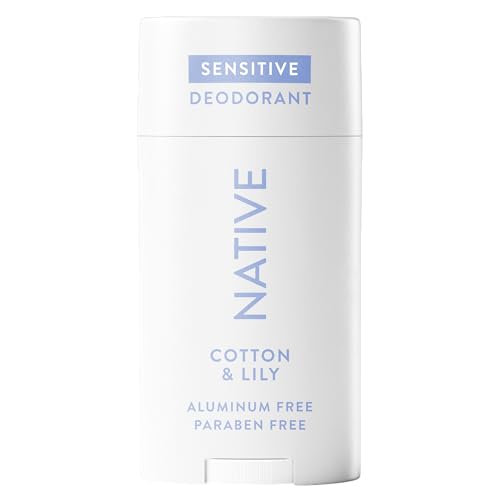
| Deodorant | Plastic sticks or roll-ons | Low | Some refillable aluminum or glass | Medium |
| Toothpaste | Plastic tubes | Low to medium | Powder/tablet refills, recyclable tubes | Medium |
| Lotion & Moisturizer | Plastic bottles, jars | Medium | Yes (bulk refills, compatible cartridges) | Medium |
Focus initially on shampoo/conditioner and body wash; these often make up the bulk of your personal care plastic waste and have relatively straightforward refill or concentrated alternatives.
Step 3: Evaluate Ingredient Transparency and Opt for Simple Formulations
One major frustration switching to zero-waste can be discovering ingredient lists that are incomplete or full of unpronounceable chemicals. Prioritize products with:
- Full ingredient disclosure on packaging or websites
- Simple formulations with recognizable, safe ingredients
- Minimal artificial fragrances and preservatives
This not only helps avoid harmful chemicals but makes refills more trustworthy since you know what you’re getting—and whether bulk refills or third-party concentrated products are safe to use with your skin type.
Step 4: Understand Refillable Claims vs Real Waste Reduction
Not all products labeled “refillable” or “zero waste” actually reduce your environmental footprint significantly. Here’s what to look out for:
- Refillable vs Single-Use: True refillables allow you to reuse the same container multiple times, saving plastic. However, if the refills are packaged in single-use plastic pouches or mini bottles, the waste shifts rather than disappears.
- Concentrated Formulas: Buying a concentrate to dilute at home (e.g., shampoo concentrate to mix with water) cuts packaging and shipping weight but requires effort and sometimes precise measuring.
- Cartridge Compatibility: Brand-name refill cartridges are convenient but often come sealed in plastic. Third-party compatible refills can reduce packaging but may have less ingredient transparency.
Step 5: Reduce Plastic One Step at a Time with Reusable and Bulk Products
Here are some practical swaps that are proven to cut waste and often save money:
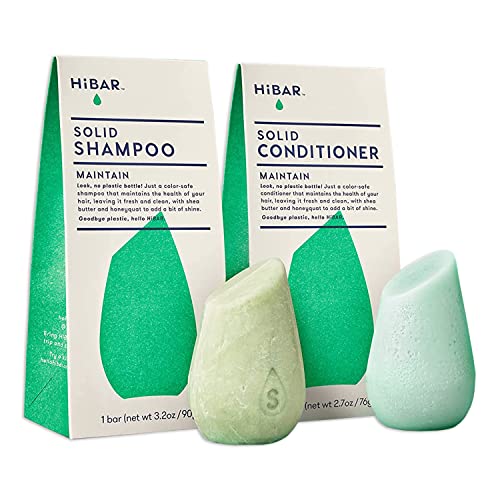
- Switch to Bar Soap and Shampoo Bars: Bars use minimal to no packaging (often recycled paper or compostable wrap) and usually last longer by weight than liquid forms.
- Choose Concentrates with Reusable Bottles: Buy shampoo or body wash concentrates in bulk and use your own refillable glass or aluminum pump bottle.
- Use Refillable Deodorants with Aluminum or Glass Casings: Avoid plastic sticks by opting for refillable metal tubes that accept new deodorant inserts.
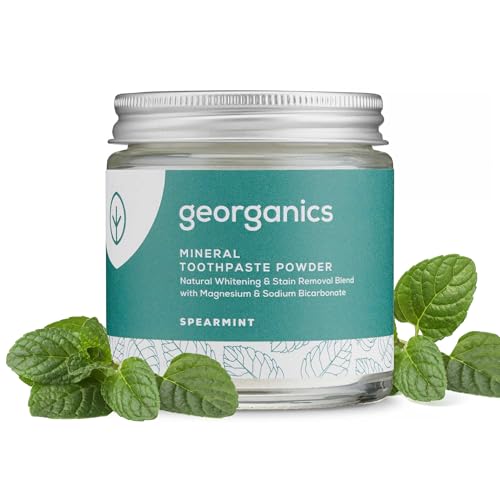
- Try Toothpaste Tablets or Powders: These often come in glass jars or recyclable cardboard tubes, eliminating plastic squeeze tubes.
- Make or Buy Simple Lotion Recipes in Bulk: Use reusable pump bottles and refill as needed rather than single-use plastic bottles.
Step 6: Calculate Cost and Waste Savings Over Time
Refilling and concentrated products are often more cost-effective long-term, even accounting for initial purchase of reusable containers. Consider this simplified example for shampoo:
| Option | Approx. Cost per Use | Packaging Waste per Use | Ingredient Transparency | Convenience Level | Average Savings Over 6 Months |
|---|---|---|---|---|---|
| Single-Use Plastic Bottle | $0.75 | ~30g plastic | Varies | High (just open & use) | $0 |
| Brand-name Refillable Cartridge | $0.60 | ~15g plastic per refill | Moderate | High (plug & play) | $8–$12 |
| Concentrated Bulk + Reusable Bottle | $0.45 | ~5g plastic (bottle reused) | High | Medium (mixing required) | $20+ |
| Shampoo Bar | $0.40 | Minimal (paper wrap) | High | Medium (requires wetting bar) | $25+ |
The upfront cost of reusable containers usually pays off in a few refill cycles, and plastic waste drops significantly when shifting from single-use bottles to cartridges or concentrates.
Step 7: Adopt a Flexible, Incremental Mindset
Don’t aim for a perfect zero-waste routine overnight. Many households find a hybrid approach best—using refillables for core products like shampoo while gradually testing bars or powders for others. The key is learning from experience, adjusting based on your lifestyle, and focusing on consistent reductions rather than perfection.
See also: Zero-Waste Cleaning Hacks Using Refillable Household Essentials
Top Picks
Phone cases · 15% off first order
Galaxy Case Co.Built for Galaxy. Ready for impact. Code FIRST15GAL
Watchdog picks
- Stuart Weitzman Women’s Metro Slingback Sandal,Palomino Llama Calf,8 M USCheck on Amazon → ·
- Lodge Blacklock 10.25” Triple Seasoned Cast Iron Skillet - Lightweight - Easy CCheck on Amazon → ·
- VEOZAH 45 MG TABCheck on Amazon → ·
- 280XXL 281XXL Ink for Canon Ink 280 281 Replacement for Canon TR8620 Ink CartridCheck on Amazon → ·
- B001E10B9ICheck on Amazon → ·
- Field Company Small Cast Iron Skillet – 8.38-Inch Pre-Seasoned Pan for 1–2 ServiCheck on Amazon → ·
- B00CAZAU62Check on Amazon → ·
- WEP 927-IV Soldering Station Kit High-Power 110W with 3 Preset Channels, Sleep MCheck on Amazon → ·
Products in this guide
Phone cases · 15% off first order
Phone Case GiftFun finds for every vibe. Code FIRST15GIFT- Folgers Classic Roast Ground Coffee, 48 OzCheck on Amazon →
- Tide PODS Laundry Detergent Soap Pods, Original Scent, 112 CountCheck on Amazon →
- BIODANCE Bio-Collagen Real Deep Mask, Hydrating Overnight Hydrogel Face Mask, Pore Minimizing, Elasticity, Plumping, Travel Essentials & Self Care Gifts for Women, Korean Skin Care | 1.19oz(34g) x 4eaCheck on Amazon →
- B00063RWT8Check on Amazon →