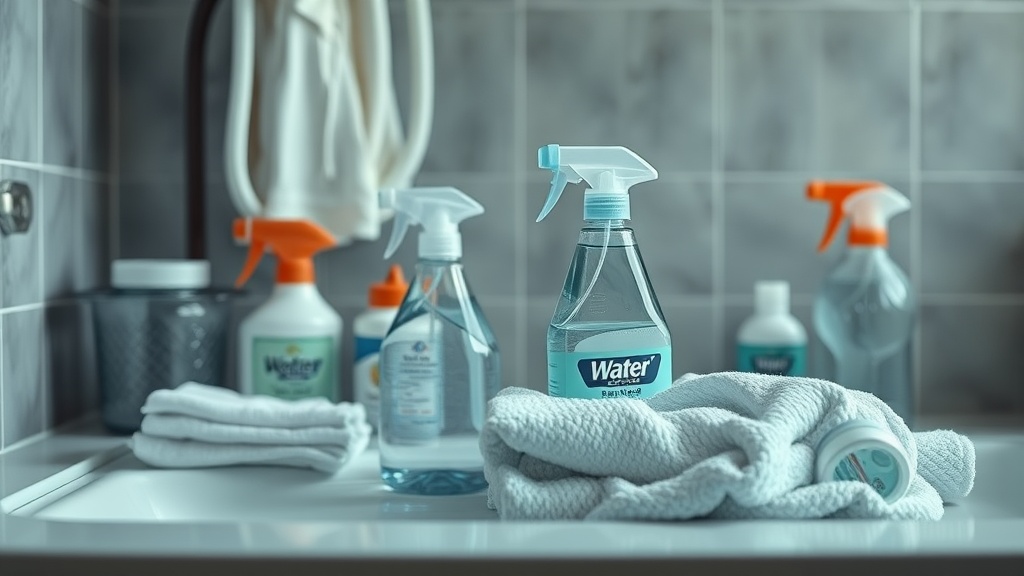
Switching to refillable personal care products can feel overwhelming if you’re used to the convenience of disposable bottles and pouches. You want to reduce single-use plastic waste and save money, but don’t want to compromise on effectiveness or ingredient safety. The good news is you don’t have to go zero-waste overnight. This guide will walk you through a gradual, manageable transition strategy that balances environmental impact, cost, and product transparency.
Why Transition Gradually?
Making a slow switch helps you:
- Avoid buying products that don’t meet your quality or ingredient preferences.
- Understand which refill options truly reduce waste versus “refillable” claims that don’t save material.
- Manage upfront costs by spacing purchases over time.
- Adjust your routines comfortably without throwing out stockpiles prematurely.
With this approach, you’ll find refillable alternatives that fit your lifestyle and household needs, while keeping your bathroom shelf tidy and your conscience clear.
See also: Best Refillable Fabric Softener Options Without Plastic Bottles
Step 1: Audit Your Current Products and Waste Patterns
Phone cases · 15% off first order
Galaxy Case Co.Built for Galaxy. Ready for impact. Code FIRST15GALBefore replacing anything, know what you use regularly and where your waste comes from.
- Make a list of all personal care products: shampoo, conditioner, body wash, toothpaste, deodorant, lotion, etc.
- Note container types and sizes—plastic bottles, pump dispensers, tubes, single-use packets.
- Estimate how often you replace or refill each product.
- Track how many empty containers you send to recycling or landfill each month.
This snapshot helps you prioritize: start with the highest-volume or most waste-heavy categories. For example, if shampoo and body wash bottles pile up quickly, begin there.
Step 2: Understand Refillable Options and Concentration Ratios
Not all “refillable” products save the same amount of plastic or product waste. Look carefully at:
- Refill types: reusable bottles refilled via store stations, compatible cartridges swapped into a dispenser, third-party refills poured into your bottles, or bulk concentrates diluted at home.
- Concentration ratios: many refill solutions are concentrated formulas requiring dilution before use, reducing shipping weight and packaging, but you must measure carefully.
- Ingredient transparency: refill products with clear ingredient lists and certification are ideal—they ensure you’re not trading plastic waste for questionable formulas.
- Compatibility: some refills only work with specific bottles or dispensers, so verify before buying.
Concentration and Cost Comparison
| Refill Method | Plastic Waste Reduction | Cost Savings (vs. New Bottle) | Quality Control | Effort Required | Ideal For |
|---|---|---|---|---|---|
| Store Station Refill | High | Moderate | High | Moderate (travel/time) | Shampoos, body wash, hand soap |
| Compatible Cartridge Swaps | Moderate | Moderate-High | High | Low (plug-and-play) | Deodorant, lotions, soaps |
| Third-Party Refill Pouches | Moderate | High | Variable | Low (pouring at home) | Household soap, shampoos |
| Concentrate + Dilution Kits | Very High | Very High | Variable | High (measuring/diluting) | Shampoo, cleaner, shampoo bars |
Step 3: Pick Your First Product to Switch
Phone cases · 15% off first order
Phone Case GiftFun finds for every vibe. Code FIRST15GIFTStart small with a product you regularly use and feel curious about changing. Good first choices often include:
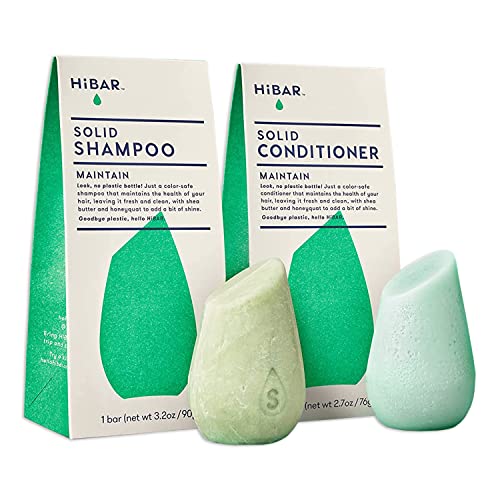
- Shampoo or conditioner (common high-volume plastic waste)
- Body wash or hand soap (easy to find refill stations)
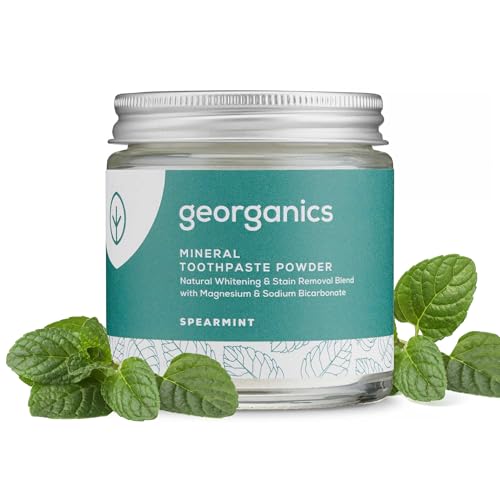
- Toothpaste (some refillable tubes/powders available)
Order just one refill product or concentrate and try it alongside your current product, comparing effectiveness and ease of use.
Step 4: Transition Using the “Stock & Flow” Strategy
Avoid wasting unopened bottles by using up what you have while slowly adding refillable products.
- After the new refillable product is tested and pleasant, designate it as your “go-to” for that category.
- Use up older bottles fully before replacing.
- Keep track of refill compatibility, expiration, and storage to maintain quality.
- Slowly phase in more refillable products each month or quarter.
This staggers expenses and minimizes risk.
Step 5: Set Up Your Refillable Habits and Storage
Phone cases · 15% off first order
Phone Cases For AllCases that match your energy. Code FIRST15ALLCreate a system that makes refills convenient:
- Label bottles or dispensers clearly if you use concentrates/dilutions.
- Use a dedicated refill station or container to catch spills.
- Store refills in a cool, dark place to preserve ingredients.
- Note expiry dates and batch numbers if transparency is important.
Developing a routine around refill times reduces accidental waste and frustration.
Step 6: Evaluate Waste Savings and Cost After 3-6 Months
Track:
- How many disposable containers you avoided.
- Total money spent on refills versus previous bottles.
- Your satisfaction with formula concentration, scent, and performance.
- Any changes you’d make to your refill choices or process.
This helps you refine and expand sustainable personal care.
Common Pitfalls to Watch For
- Refill packaging is still single-use plastic: Some “refill” pouches use thin plastic that’s hard to recycle; bulk concentrates or store stations often score better.
- Overdilution or underdilution of concentrate formulas causes product waste or poor cleaning.
- Incompatibility with dispensers leads to leaks or frustration.
- Ingredient opacity can hide unnecessary fillers or irritants.
- Upfront costs and time investment may discourage users if progress is rushed.
Being mindful of these helps avoid setbacks.
Comparison: Refillable Methods at a Glance
| Method | Plastic Waste Saved | Cost Per Use | Ingredient Transparency | Convenience | Ideal Use Case |
|---|---|---|---|---|---|
| Store Refill Station | High | Moderate | High (brand control) | Travel to location needed | Shampoo, soap |
| Compatible Cartridge | Moderate | Low-Moderate | High | Very easy (drop-in cartridges) | Deodorant, lotion, soap |
| Third-Party Refill Pouch | Moderate | Low | Variable | Easy to store and pour | Shampoo, soap, household |
| Concentrate + Dilution | Very High | Very Low | Variable | Requires measuring and mixing | Shampoo, cleaner |
Final Tips
- Prioritize products where plastic usage is highest.
- Test products in small quantities before fully switching.
- Support companies with transparent ingredient listing and sustainable packaging.
- Be patient—waste reduction is a journey, not a race.
Top Picks

Watchdog picks
- VEOZAH 45 MG TABCheck on Amazon → ·
- PAROXETINE 7.5 MG CAPCheck on Amazon → ·
- LEVOIT Air Purifier for Home Allergies Pet Hair in Bedroom, Covers Up to 1073 ftCheck on Amazon → ·
- Fanttik T1 Max Soldering Iron Kit, Cordless Soldering Iron, 7 Seconds Fast HeatiCheck on Amazon → ·
- Lodge 12” Cast Iron Skillet - Chef Collection - Perfect Sear - Ergonomic HandleCheck on Amazon → ·
- B000NL0T1KCheck on Amazon → ·
- Soldering Iron Kit, 80W 110V Fast Heat up in 10s LCD Digital Adjustable TemperatCheck on Amazon → ·
- B00063RWT8Check on Amazon → ·