
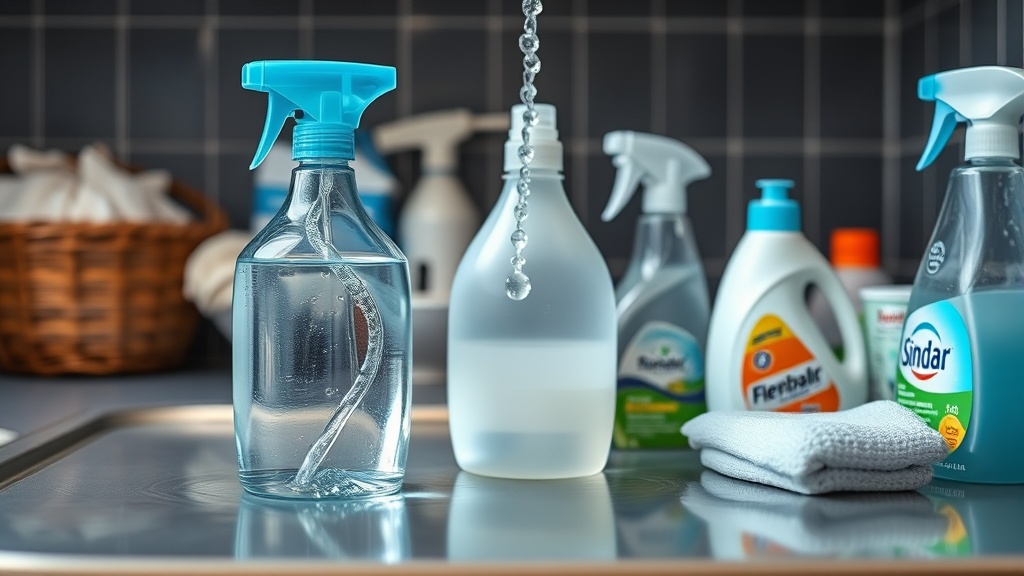
Starting a refillable product routine can feel overwhelming, especially when you’re on a tight budget and trying to avoid single-use plastic without breaking the bank. Many people hesitate because refillable items often come with higher upfront costs, or they’re unsure if refills truly save money long term. This guide will walk you through practical steps to build a refillable routine that actually cuts waste and saves money, focusing on concentration ratios, cost math of refills vs bottles, ingredient transparency, and what refill claims really mean for your household.
Step 1: Understand Concentration Ratios and Why They Matter
Refillable products often come in concentrated formulas, meaning a small amount of product can be diluted with water to yield a larger volume of useable liquid. This concentration ratio directly impacts your cost savings and environmental benefit.
For example, a laundry detergent concentrate might be sold as a 1-ounce concentrate that you mix at home with 10 ounces of water, creating an 11-ounce usable product. Buying the concentrate means less packaging transported and less plastic waste.
Key Point: Always check how much usable product a concentrate makes compared to standard bottled versions. This affects:
- The effective price per use
- Packaging waste per use
- Shipping carbon footprint per use
See also: Top Refillable Household Products That Slash Single-Use Plastic Waste
Step 2: Calculate Refill Cost vs Bottle Cost Using Real Numbers
Phone cases · 15% off first order
Galaxy Case Co.Built for Galaxy. Ready for impact. Code FIRST15GALTo determine if a refill truly saves money, consider the following cost math:
- Identify the volume (or weight) of the product in the standard bottle.
- Identify the volume, concentration ratio, and price of the refill or concentrate.
- Calculate the cost per usable ounce or serving for both.
- Factor in any upfront costs like a reusable dispenser or storage container.
Example Cost Comparison Table
| Product Type | Standard Bottle Size | Standard Price | Refill Size (Concentrate) | Refill Price | Concentration Ratio | Cost per Usable Ounce (Bottle) | Cost per Usable Ounce (Refill) | Upfront Reusable Container Cost | Effective Savings Over Time |
|---|---|---|---|---|---|---|---|---|---|
| Dish Soap | 16 oz | $5.00 | 4 oz | $3.00 | 4x (4 oz makes 16 oz) | $0.31 | $0.19 | $5.00 | ~$10 over 6 months |
| Laundry Detergent | 50 oz | $12.00 | 12.5 oz | $8.00 | 4x (12.5 oz makes 50 oz) | $0.24 | $0.16 | $10.00 | ~$15 over 6 months |
| Hand Soap | 8 oz | $4.00 | 2 oz | $2.50 | 4x (2 oz makes 8 oz) | $0.50 | $0.31 | $4.00 | ~$6 over 6 months |
Takeaway: Refills often reduce the cost per usable ounce significantly once spread out over multiple refills, but you must reuse the container to see real savings.
Step 3: Choose Your Entry Points Based on Daily Use
Start your refill routine with products you use frequently to maximize impact and savings:
- Hand soap
- Dish soap
- Laundry detergent
- All-purpose cleaner
These products usually come in concentrated refill packs and have refill stations at stores or third-party refill pouches online. Starting small means lower upfront costs since you only buy a few reusable containers.
Step 4: Select Transparent Refill Products with Ingredient Lists
Phone cases · 15% off first order
Phone Case GiftFun finds for every vibe. Code FIRST15GIFTNot all refill products disclose full ingredient lists. For health and safety reasons, plus to avoid unnecessary chemicals, pick concentrates or refills that offer clear ingredient transparency.
Why this matters:
- You avoid allergens or irritants.
- You can compare eco-friendliness claims.
- You make an informed choice rather than buying on hype.
Look for refills with third-party certifications or ingredient breakdowns. Avoid refill pouches that only list vague terms like “proprietary blend.”
Step 5: Evaluate Different Refillable Claims for Actual Waste Reduction
Just because a product says “refillable” doesn’t mean it saves plastic or waste. Here’s a breakdown of common refill claims and their real impact:
| Refillable Claim | Typical Packaging Setup | Waste Reduction Reality | Cost Savings Reality |
|---|---|---|---|
| Brand-Name Cartridge | Brand sells and controls cartridges | Often less plastic but cartridges can be hard to clean and recycle | Slight savings but cartridges more expensive |
| Third-Party Refill Pouch | Compatible pouch with less plastic | Significant plastic reduction | Usually cheaper than cartridges |
| Refill Station Reuse | Bring your own bottle to store refill | Best waste reduction, no new plastic | Most cost-effective over time |
| Concentrate + Water Mix | Concentrate in small bottle, dilute with water | Highest reduction in packaging volume | Cheapest cost per use |
Tip: Opt for third-party compatible refills or concentrate mixes where possible. They reliably reduce plastic and save money better than expensive brand cartridges.
Step 6: Tips to Maximize Your Refillable Routine Success
Phone cases · 15% off first order
Phone Cases For AllCases that match your energy. Code FIRST15ALL- Save or repurpose original bottles: Clean well and reuse to avoid buying new dispensers.
- Store refills properly: Keep concentrates cool and away from sunlight to maintain efficacy.
- Track usage: Note how many refills you get per bottle to verify cost savings.
- Compare refill offers: Buying larger refill packs or multiple pouches usually reduces cost per use.
- Combine with bulk shopping: Some stores offer bulk refill stations; combine these with concentrated refills to maximize savings.
Step 7: Common Pitfalls to Avoid
- Buying refills without reusable containers.
- Ignoring concentration ratios and comparing price per volume, not cost per use.
- Overpaying for brand-name cartridges instead of cheaper third-party or bulk options.
- Using refills that don’t list ingredients, risking skin irritation or allergies.
- Stocking up on refills you don’t use frequently, which may expire or degrade.
Comparison Snapshot: Cartridge vs Third-Party Refill vs Concentrate vs Refill Station
| Feature | Brand-Name Cartridge | Third-Party Refill Pouch | Concentrate + Dilution | Refill Station (Bring Your Own) |
|---|---|---|---|---|
| Upfront Cost | Medium to High | Low to Medium | Low | None (besides container) |
| Plastic Waste Reduction | Moderate | High | Very High | Highest |
| Ingredient Transparency | Often Limited | Varies, usually better | High | High (you control choice) |
| Cost per Use | Moderate to High | Low | Lowest | Lowest |
| Convenience | High | Medium | Medium | Depends on location |
| Reusability | Cartridge reuse limited | Pouch discarded but less plastic | Container reused | Container reused |
Final Thoughts
Starting a refillable product routine on a budget hinges on understanding both your usage needs and the true costs behind refill claims. By focusing on concentrated formulas, reusable containers, and ingredient transparency, you can cut plastic waste and save money without sacrificing practicality. Begin with products you use daily, keep an eye on your actual cost per use (not just sticker price), and opt for refill options with clear waste reduction benefits. Over time, your refills will pay off financially and environmentally.
Top Picks

Watchdog picks
- Hakko T18S3P Tip for Fx-888 Station, 5.2mmCheck on Amazon → ·
- B08B3K9H7LCheck on Amazon → ·
- B073Q8P6CQCheck on Amazon → ·
- Soldering Iron Kit, 80W 110V Fast Heat up in 10s LCD Digital Adjustable TemperatCheck on Amazon → ·
- B01N5Q9Q6JCheck on Amazon → ·
- B001ET76H8Check on Amazon → ·
- B01N4IWH2OCheck on Amazon → ·
- B07P5BNQJGCheck on Amazon → ·