
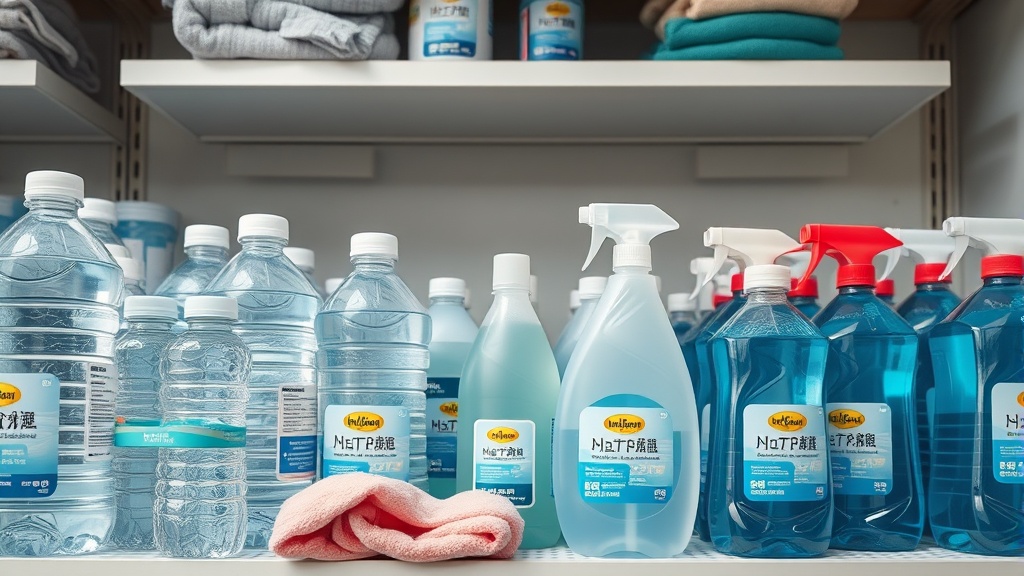
Setting up a refillable cleaning station at home can reduce your single-use plastic waste and streamline your cleaning routine, but it’s not always obvious where to start. Many people buy new bottles without realizing that concentrated refills, bulk containers, and proper dispensers can dramatically cut costs and environmental impact, provided you know the right ratios and select genuinely reusable containers. This guide walks you through creating an effective refill station that balances convenience, transparency, and real waste reduction.
Why Set Up a Refillable Cleaning Station?
Most cleaning products come in single-use plastic bottles, contributing substantially to household plastic waste. Switching to refillables saves money and raw materials, but only if you choose concentrated formulas, durable dispensing containers, and refill sources that are transparent about their ingredients. Setting up a well-organized station helps maintain efficiency, ensures consistency in your cleaning solutions, and limits clutter.
See also: Best Refillable Cleaning Tools for Plastic Reduction at Home
Step 1: Audit Your Current Cleaning Supplies and Habits
Phone cases · 15% off first order
Galaxy Case Co.Built for Galaxy. Ready for impact. Code FIRST15GALBefore buying anything new, take stock of what you use and how often:
- List the cleaning products you use regularly (all-purpose cleaner, dish soap, glass cleaner, etc.).
- Identify which products run out fastest or require frequent replacement.
- Note if you prefer spray bottles, squeeze bottles, or other dispensing options.
- Check if any products are already concentrated formulas.
This helps prioritize which products to set up for refill and choose appropriate dispensers.
Step 2: Choose Concentrated or Bulk Cleaning Solutions
Buying cleaning concentrates or bulk refills is the backbone of reducing plastic waste:
- Look for concentrates that can be diluted with water at home. These often come in small plastic pouches or glass bottles.
- Bulk options are typically large jugs, which can come in recyclable plastic or cardboard containers.
- Third-party refills or local refill shops may offer cleaning concentrates or diluted solutions — verify how concentrated they are to evaluate cost-effectiveness and waste reduction.
Why Concentrates Matter: Using concentrate reduces shipping weight and packaging, but requires accurately mixing to maintain cleaning effectiveness. Be sure to record or label dilution ratios clearly.
Step 3: Select Durable, Reusable Dispensing Containers
Phone cases · 15% off first order
Phone Case GiftFun finds for every vibe. Code FIRST15GIFTRefillable bottles and containers are where you physically reduce plastic waste:
| Feature | Glass Bottles | HDPE Plastic Bottles | Aluminum Bottles |
|---|---|---|---|
| Reusability | Very high, easy to clean | High, many designed for reuse | High, but fewer options |
| Breakability | Fragile | Durable | Durable |
| Compatibility | Works well with all solutions | May absorb odors or stain | Neutral to most solutions |
| Cost | Higher initial investment | Generally lower cost | Moderate |
| Environmental Impact | Low if reused frequently | Moderate due to recycling limits | Moderate but recyclable |
| Refill Convenience | Requires careful transport due to breakage risk | Lightweight and portable | Lightweight and portable |
Tip: Spray bottles for all-purpose cleaners and glass cleaners, squeeze bottles for dish soaps, and pump dispensers for heavy-duty concentrates work well in refill stations. Label bottles clearly with dilution instructions and contents.
Step 4: Organize Your Cleaning Station Location and Layout
Placement and organization impact usage:
- Choose a consistent, easily accessible area such as under the kitchen sink, laundry room, or utility closet.
- Use shallow bins or trays to hold bulk refill containers and bottles to catch any spills.
- Keep a cleaning cloth or sponge nearby for quick contamination control.
- Label each bottle and store concentrate containers separately, preferably in a cooler or shaded area to preserve ingredients.
Step 5: Establish a Refill and Maintenance Routine
Phone cases · 15% off first order
Phone Cases For AllCases that match your energy. Code FIRST15ALLTo keep your refill station effective:
- Refill frequency: Track when bottles need refilling by placing a small marker strip on each bottle.
- Clean bottles regularly: Residue buildup can degrade product performance, so rinse bottles and spray nozzles monthly.
- Measure carefully: Use marked measuring cups or syringes to get dilution ratios right every time.
- Rotate concentrates/solutions: If you buy bulk diluted solutions, finish the oldest first to keep product fresh.
- Note cost and waste saved: Track refill quantities and plastic avoided to motivate your household.
Step 6: Focus on Ingredient Transparency and Safety
Many refill solutions might not have the same ingredient disclosure as store bottles, making it important to:
- Choose concentrates or bulk refills that provide full ingredient lists.
- Avoid products with unnecessary dyes or fragrances that could hamper reuse.
- Store concentrates securely, out of reach of children and pets.
- Consider natural or mild formulations if you have sensitive skin or asthma.
Comparing Refillable Claims: Which Actually Save Plastic?
A critical look at common refillable product claims:
| Refillable Type | Plastic Waste Reduction | Cost Efficiency | Ingredient Transparency | Ease of Use | Notes |
|---|---|---|---|---|---|
| Brand-Name Cartridge Bottles | Medium (~30-50%) | Low-Medium | High (usually full label) | Medium (must use specific brand) | Lock-in effect; cartridges may use hard-to-recycle plastic |
| Third-Party Refill Pouches | High (~70-90%) | High | Variable | Medium (may require dilution) | Saving real plastic but may lack full ingredients disclosure |
| Bulk Refill Jugs | High (~80-90%) | High | Variable | Low (bulk is heavy, inconvenient) | Best for large families or committed users |
| Concentrated Formulas + Dilution | Very High (~90%+) | Very High | High | Medium (requires measurement) | Best for waste & cost reduction but needs discipline |
Summary: Key Tips for Success
- Buy concentrated or bulk cleaning solutions with clear labeling.
- Invest in durable, reusable bottles suited to your cleaning routines.
- Set up an organized, accessible refill station to encourage consistent use.
- Maintain clean dispensers and carefully measure dilutions.
- Track your savings — both financial and environmental.
Top Picks



Watchdog picks
- B074ND5RDTCheck on Amazon → ·
- B00WSAXBQ0Check on Amazon → ·
- B00NQ1CLTICheck on Amazon → ·
- Amazon Basics Pre-Seasoned Cast Iron Skillet, Oven Safe, Even Heating, Heat DistCheck on Amazon → ·
- Lodge Seasoned Cast Iron Skillet 6.5 Inches - PFAS-Free, Non-Toxic Cookware - UsCheck on Amazon → ·
- B08K3J4WX6Check on Amazon → ·
- ESTRADIOL 2XWEEKLY (AB3) 0.025 MG PATCHCheck on Amazon → ·
- B07ZPSFVX5Check on Amazon → ·
Products in this guide
- Dawn Ultra Dish Soap, Original Scent, 75 fl oz (2-Pack)Check on Amazon →
- Hakko T18S3P Tip for Fx-888 Station, 5.2mmCheck on Amazon →
- HQ Replacement Soldering Iron For Hakko FX-8801 FX-888D StationCheck on Amazon →
- YIHUA 939D+ Digital Soldering Station, 75W Equivalent with Precision Heat Control (392°F to 896°F) and Built-in Transformer. ESD Safe, Lead Free with °C/°F display (Black)Check on Amazon →