How to Refill Your Own All-Purpose Cleaner Safely
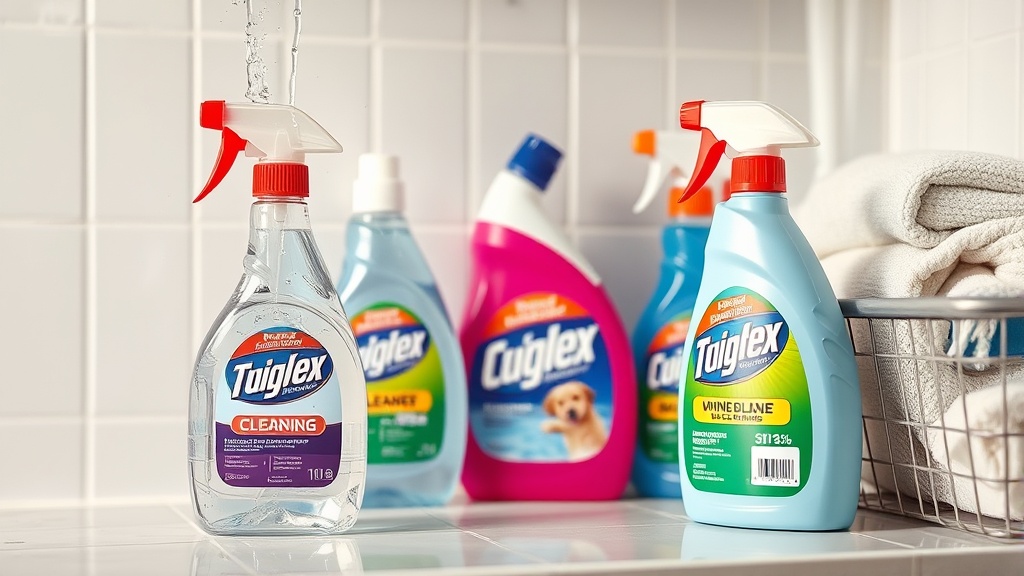
If you’re trying to cut down on single-use plastic and household-product waste, refilling your all-purpose cleaner is an excellent place to start. However, safely mixing and refilling your own cleaning solution involves more than just pouring concentrated liquid into an old bottle. You need to understand concentration ratios, the cost-benefit of refills versus new bottles, ingredient transparency, and which claims about refillable products actually help reduce waste. This article walks you through everything you need to refill your all-purpose cleaner safely, effectively, and sustainably.
See also: Refillable vs Concentrated Cleaning Products: What’s Better?
Why Refill Your All-Purpose Cleaner?
Phone cases · 15% off first order
Galaxy Case Co.Built for Galaxy. Ready for impact. Code FIRST15GALBefore jumping into steps, it’s important to know why refilling matters beyond just saving money:
- Reducing Plastic Waste: Most all-purpose cleaners come in single-use plastic bottles, often with complex mixed materials that aren’t easily recycled.
- Lowering Household Chemical Waste: Concentrated solutions help minimize excess product use and packaging.
- Cost Savings: Concentrates or refill pouches typically cost less per ounce of finished cleaner.
- Ingredient Transparency: Mixing your own cleaner allows you to control ingredients, reducing exposure to potentially harmful chemicals.
Step 1: Understand Concentration Ratios and Dilution
The first step to safely refilling your cleaner is knowing the concentration ratio—the amount of concentrate to water. All-purpose cleaner concentrates often require dilution, typically between 1:5 and 1:20, depending on the formula strength.
Why this matters:
- Too concentrated: You risk damaging surfaces, increased chemical exposure, or leaving residues.
- Too diluted: The cleaner becomes ineffective, wasting product and effort.
You can find the ideal dilution ratio on the concentrate packaging or material safety data sheet (MSDS). Purchase concentrates that clearly state their dilution instructions, and follow them exactly.
Example Dilution:
| Concentrate to Water Ratio | Volume of Concentrate | Volume of Water | Total Volume |
|---|---|---|---|
| 1:10 | 100 ml | 1,000 ml | 1,100 ml |
| 1:15 | 67 ml | 1,000 ml | 1,067 ml |
| 1:20 | 50 ml | 1,000 ml | 1,050 ml |
Step 2: Choose the Right Container
Phone cases · 15% off first order
Phone Case GiftFun finds for every vibe. Code FIRST15GIFTReusing the original bottle is common but only safe if:
- The bottle is thoroughly cleaned and rinsed before reuse to avoid mixing residual chemicals.
- The container is designed to withstand repeated use and cleaning.
- The original spray nozzle or trigger is in good condition and compatible with the new solution.
Alternatively, you could use:
- Brand-compatible refill bottles designed for reuse.
- Reusable trigger bottles marked for suitable chemicals (usually polypropylene or HDPE plastics).
Avoid using containers that previously held toxic substances, as they can contaminate your cleaner.
Step 3: Handle Ingredients Safely
Even “green” or natural concentrates can irritate skin or eyes if mishandled. Use gloves and work in well-ventilated areas. Follow ingredient labeling and Material Safety Data Sheets to understand:
- Potential hazards (e.g., irritation, flammability).
- Proper storage (cool, dry place, away from children/pets).
- First-aid measures in case of accidental contact.
Avoid mixing DIY ingredients unless you have a verified recipe from a reliable source. Commercial concentrates have been safety-tested.
Step 4: Mixing Your Cleaner
Phone cases · 15% off first order
Phone Cases For AllCases that match your energy. Code FIRST15ALL- Start with clean, preferably filtered water at room temperature.
- Measure the concentrate carefully using a measuring cup or syringe to match recommended dilution ratio.
- Pour water first into the bottle, then add the concentrate to avoid splashing concentrated solution.
- Cap the bottle and gently swirl to mix—avoid shaking vigorously to reduce foam formation.
- Label your bottle clearly with dilution ratio, ingredients, and date to avoid misuse or confusion later.
Step 5: Store and Use Properly
- Store your refilled cleaner in a cool, dark place away from direct sunlight to avoid degradation.
- Use within recommended shelf life, usually 1 to 3 months for diluted products.
- Avoid transferring liquid to incompatible spray heads or dispensers.
- Dispose of empty concentrate packs and bottles according to local recycling guidelines.
Refill vs Bottle Cost Comparison
Choosing to refill can save money, but the exact savings depend on your purchase habits and product choices. Below is a generic cost comparison between brand-name single-use bottles, concentrate refills, and third-party concentrates.
| Product Type | Cost per 32 oz Equivalent | Waste Generated per Refill | Ingredient Transparency | Notes |
|---|---|---|---|---|
| Brand-Name Single Use | $5 - $8 | High (full bottle plastic) | Varies | Convenient, often more expensive |
| Brand-Name Concentrate | $3 - $5 | Low (refill pouch) | Usually Transparent | Requires precise dilution |
| Third-Party Concentrate | $2 - $4 | Low to Moderate | Variable | Check for clear ingredient list |
| DIY Concentrate (home mix) | $0.50 - $1.50 | Minimal | Full control | Must ensure safety & efficacy |
Ingredient Transparency: What You Should Know
Some refill bottles and concentrates advertise “natural” or “green” ingredients, but transparency varies widely. Look for:
- Full ingredient lists, including surfactants and preservatives.
- Certifications like EPA Safer Choice or Ecologo.
- Avoid proprietary blends with no disclosed contents.
- Consider fragrance-free options if sensitivity is a concern.
Transparent ingredient lists enable you to evaluate potential health and environmental impacts, as well as compatibility with surfaces.
Which ‘Refillable’ Claims Actually Save Waste?
Not all refillable or reusable bottle claims deliver real waste reduction:
- Reusable bottles with disposable liners: These reduce bottle plastic but still produce liner waste.
- Cartridge or pod systems: May reduce bottle waste, but pods often have multi-material packaging that’s hard to recycle.
- Bottle return/refill programs: Truly impactful but require access to special stores or postal services.
- Refill pouches: Often use much less plastic than full bottles, but need careful disposal.
To maximize impact: prioritize concentrates with clear dilution instructions, buy larger-format refills to reduce packaging per ounce, and reuse durable spray bottles several times.
Summary Table: Choosing Your Refill Strategy
| Factor | Concentrate Refills | Reusable Bottles with Pods/Cartridges | DIY Mixes | Brand Single Use Bottles |
|---|---|---|---|---|
| Plastic Waste | Low | Low to Moderate | Minimal | High |
| Ingredient Transparency | Usually Good | Varies | Full Control | Varies |
| Cost Effectiveness | Moderate to High | Moderate | Very High | Low |
| Ease of Use | Requires Measuring | Very Easy | Moderate | Very Easy |
| Safety Concerns | Low when following instructions | Low to Moderate (depends on ingredients) | Variable, must be cautious | Generally Low |
| Compatibility with Surfaces | High if correctly diluted | High | Depends on recipe | High |
Top Picks


Watchdog picks
- Soldering Iron Kit, 80W 110V Fast Heat up in 10s LCD Digital Adjustable TemperatCheck on Amazon → ·
- B01N4NLZJNCheck on Amazon → ·
- B07P5BNQJGCheck on Amazon → ·
- B07F97MPYTCheck on Amazon → ·
- E-Z Ink Remanufactured Ink Cartridge Replacement for 252XL Combo Pack for Epson Check on Amazon → ·
- Toner Kingdom Compatible Toner-Cartridge Replacement for Canon 054H 054 High YieCheck on Amazon → ·
- B002BWQ6XKCheck on Amazon → ·
- B07R3N9X3FCheck on Amazon → ·
Products in this guide
- Dawn Ultra Dish Soap, Original Scent, 75 fl oz (2-Pack)Check on Amazon →
- Tide PODS Laundry Detergent Soap Pods, Original Scent, 112 CountCheck on Amazon →
- ecodot 552 Pigment Ink Refill Ink Bottle Replacement for Epson 552 Ink Used for EcoTank Photo ET-8500, ET-8550 Printer (1 Photo Black, 1 Black, 1 Cyan, 1 Magenta, 1 Yellow, 1 Grey, 6-Pack)Check on Amazon →
- B00063RWT8Check on Amazon →