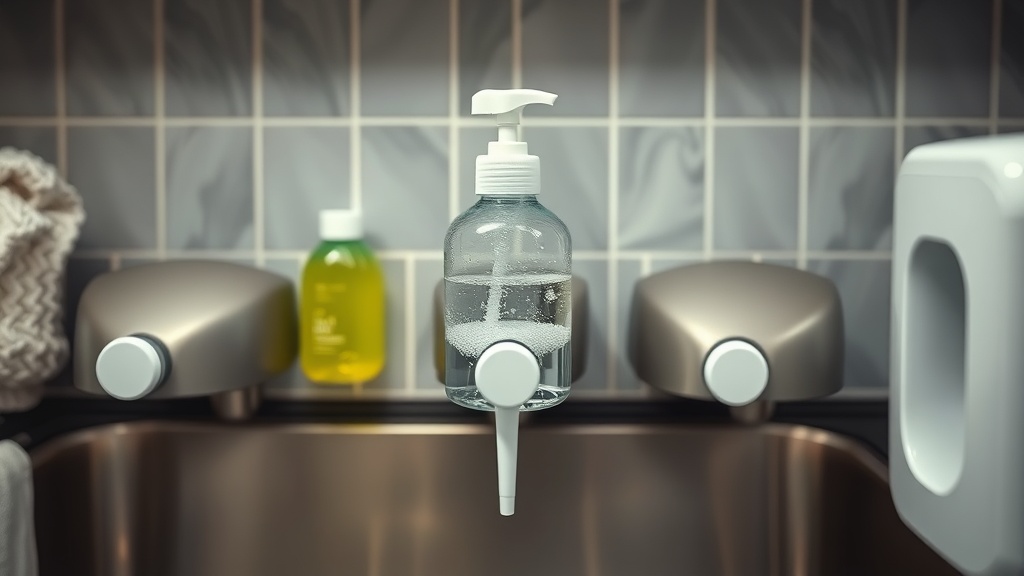
Refillable soap dispensers are a popular solution to reduce plastic waste, but many people still struggle with how to refill them without inadvertently creating more packaging or product waste. Buying new bottles to refill the dispenser can add plastic, and using pre-diluted soap often means paying for and transporting unnecessary water. This article explains how to refill soap dispensers effectively, minimizing single-use plastic and wasted product, with practical advice grounded in understanding product concentration, refill formats, and true environmental benefits.
Understanding the Problem: Waste in Soap Refills
Many households aim to cut single-use plastic by switching to refillable soap dispensers. The idea is simple: reuse a durable bottle and buy soap in bulk or refill pouches instead of individual bottles. Yet, common mistakes like buying soap in containers that are nearly as large and plastic-heavy as bottles themselves, or choosing highly diluted soap that adds shipping weight and waste, mean the impact can be minimal or even worse.
The key to genuinely reducing waste lies in:
- Choosing highly concentrated soap formulas to minimize packaging and transportation volume.
- Using refill formats that truly reduce plastic input (e.g., flexible pouches, concentrated cartridges compatible with the dispenser).
- Avoiding refills that require buying new plastic bottles or complicated adapter kits.
- Comparing cost-per-use and environmental impact to ensure choices make practical sense.
See also: How to Refill Your Own Bathroom Cleaning Solutions at Home
How to Refill Soap Dispensers Without Creating Additional Waste
Phone cases · 15% off first order
Galaxy Case Co.Built for Galaxy. Ready for impact. Code FIRST15GALStep 1: Check Your Dispenser Compatibility and Refill Options
Not all dispensers handle all refill formats. Some are designed for brand-specific cartridges; others accommodate generic bottles or pouches. Before buying refills:
- Identify your dispenser type: pump top bottle, automatic sensor dispenser with cartridges, wall-mounted units, etc.
- Research refill types compatible with your dispenser. For example, does it accept flexible refill pouches? Will it fit a standard bottle neck?
- Prefer dispensers with refill technologies designed to minimize waste, such as collapsible pouches or cartridge refills that efficiently empty without residual product waste.
Step 2: Choose Concentrated Soaps When Possible
Highly diluted soaps can be inexpensive upfront but require larger containers and generate more waste and transportation emissions. Concentrated liquid soaps or solid soap formulas can reduce total packaging:
- Look for soap refills labeled as “concentrated” or “highly concentrated.”
- These often need to be diluted with water at home to create enough usage volume, saving packaging.
- Concentrates often cost more per fluid ounce but lower cost per use and environmental impact once diluted.
Step 3: Select Plastic-Minimizing Refill Formats
Refills come in various formats, each with different waste profiles:
| Refill Format | Plastic Usage | Waste Reduction Potential | Practical Issues |
|---|---|---|---|
| Rigid plastic bottles | High | Low | Adds nearly full plastic bottle again, bulky for shipping |
| Flexible refill pouches | Low | High | Collapsible, less plastic, but may need dedicated dispenser fitting |
| Concentrated cartridges | Medium | Medium-High | Compact and well-sealed, but generally dispenser-specific |
| Bar soap or solid refills | Minimal | Very High | No plastic packaging, but not compatible with liquid dispensers |
| Concentrate mixes + empty dispenser bottles | Low | High | Reuse same dispenser indefinitely while buying only concentrate in minimal packaging |
Ideally, flexible refill pouches or compatible cartridges that collapse almost completely during use create the least plastic waste. Avoid refills that come in rigid bottles nearly the same size as your dispenser.
Step 4: Master the Refill Process for Minimal Spills and Waste
Spills during refilling lead to product waste and more cleaning needs. To minimize:
- Rinse the dispenser pump only if necessary; otherwise, refill in place.
- Use a funnel or a refill pouch with a nozzle designed for easy dispensing.
- Follow concentration instructions exactly if diluting a concentrate yourself.
- Fill to the recommended level, not overfull, to avoid leaks or pump malfunction.
Step 5: Track Cost vs Environmental Impact for Your Choices
Refills that reduce packaging may cost more upfront or per ounce, so evaluate:
- Cost-per-use difference between buying concentrated refills vs regular soap in bottles.
- Environmental benefit from reduced plastic waste and transportation emissions.
- Quality and ingredient transparency — avoid products that add synthetic fillers or unclear ingredients.
Bulk concentrated soap or certified refill pouches often balance cost and eco-benefits best for regular household use.
Why Concentration Ratios Matter
Concentration ratio refers to how much active soap is in a product relative to water or other carriers. Popular liquid soaps often come pre-diluted to be ready-to-use, which is convenient but inefficient for packaging and transportation.
- Example: A soap with a 1:10 concentration means 10% soap concentrate and 90% water.
- Buying soap concentrate at 1:3 or 1:5 concentration cuts packaging weight significantly.
- Diluting the concentrate at home means transporting less water and less empty bottle bulk.
This also simplifies refill packaging because smaller containers hold the required amount of active ingredients without excess water.
What About “Refillable” Claims?
Phone cases · 15% off first order
Phone Case GiftFun finds for every vibe. Code FIRST15GIFTNot all refill or reusable packaging claims equal meaningful waste reduction. Here’s what to consider:
| Claim Type | Meaning | Waste Reduction Reality |
|---|---|---|
| Refillable dispenser bottle | The bottle can be refilled with any soap | Can reduce waste if used with proper bulk refills |
| Refillable cartridges | Proprietary cartridges refilled or reused | Usually plastic but recyclable within brand scheme |
| Refill pouches | Flexible bags with liquid soap | Usually least plastic but can be single-use |
| Concentrated refills | Small bottles of concentrate to dilute | High potential when diluted properly |
| Compostable packaging | Packaging designed for industrial composting | Only reduces waste if composted correctly |
Verify if your refill options truly minimize single-use plastics and avoid complicated or costly adapter systems that generate extra waste in the long term.
Practical Comparison of Refill Formats
| Feature | Rigid Bottle Refills | Flexible Pouch Refills | Concentrate + Dilution | Cartridges (Brand Specific) |
|---|---|---|---|---|
| Plastic per refill | High (full bottle) | Low (thin pouch) | Very low (small bottle) | Medium (usually plastic cartridge) |
| Product waste | Often some residue | Minimal | Minimal to none | Minimal but brand locked |
| Cost efficiency | Low to moderate | Moderate to good | High (best over time) | Moderate to low (brand premium) |
| Ease of use | Easy | Moderate (pour carefully) | Requires dilution step | Very easy (plug and play) |
| Environmental impact | Moderate to high | Low | Lowest with proper use | Medium; dependent on recycling |
| Ingredient transparency | Often clear | Varies | High (choose concentrate) | Varies by brand |
Summary: Key Actions to Reduce Waste When Refilling Soap Dispensers
Phone cases · 15% off first order
Phone Cases For AllCases that match your energy. Code FIRST15ALL- Use a dispenser designed for low-waste refills, like flexible pouches or concentrate-compatible bottles.
- Prioritize buying soap concentrates to reduce transported water weight.
- Avoid buying rigid plastic bottles for refills unless reused many times.
- Follow best refill practices: dilute that concentrate properly, use funnel tools to minimize spills.
- Evaluate environmental claims critically—look beyond marketing hype.
- Consider refills with transparent ingredient lists for safer household use.
By making intentional choices around dispenser type, refill format, and soap concentration, households can significantly cut plastic and product waste and often save money.
Top Picks



Watchdog picks
- Lodge Seasoned Cast Iron Skillet 6.5 Inches - PFAS-Free, Non-Toxic Cookware - UsCheck on Amazon → ·
- B00WSAXBQ0Check on Amazon → ·
- B074ND5RDTCheck on Amazon → ·
- Soldering Iron Kit, 60W LED Display Digital Solder Pen, 5 Replaceable Tips, 21-iCheck on Amazon → ·
- Downy Fabric Softener Dryer Sheets, April Fresh, 120 CountCheck on Amazon → ·
- B004QM8SLGCheck on Amazon → ·
- B00SAYAKPKCheck on Amazon → ·
- Soldering Iron Kit, 80W 110V Fast Heat up in 10s LCD Digital Adjustable TemperatCheck on Amazon → ·
Products in this guide
- Dawn Ultra Dish Soap, Original Scent, 75 fl oz (2-Pack)Check on Amazon →
- Stargazer 10.5-Inch Cast Iron Skillet | Made in USA, Seasoned, Premium Frying Pan for Grilling, Searing, Baking & More – Durable Cast Iron with Smooth Cooking SurfaceCheck on Amazon →
- ecodot 552 Pigment Ink Refill Ink Bottle Replacement for Epson 552 Ink Used for EcoTank Photo ET-8500, ET-8550 Printer (1 Photo Black, 1 Black, 1 Cyan, 1 Magenta, 1 Yellow, 1 Grey, 6-Pack)Check on Amazon →
- B00063RWT8Check on Amazon →