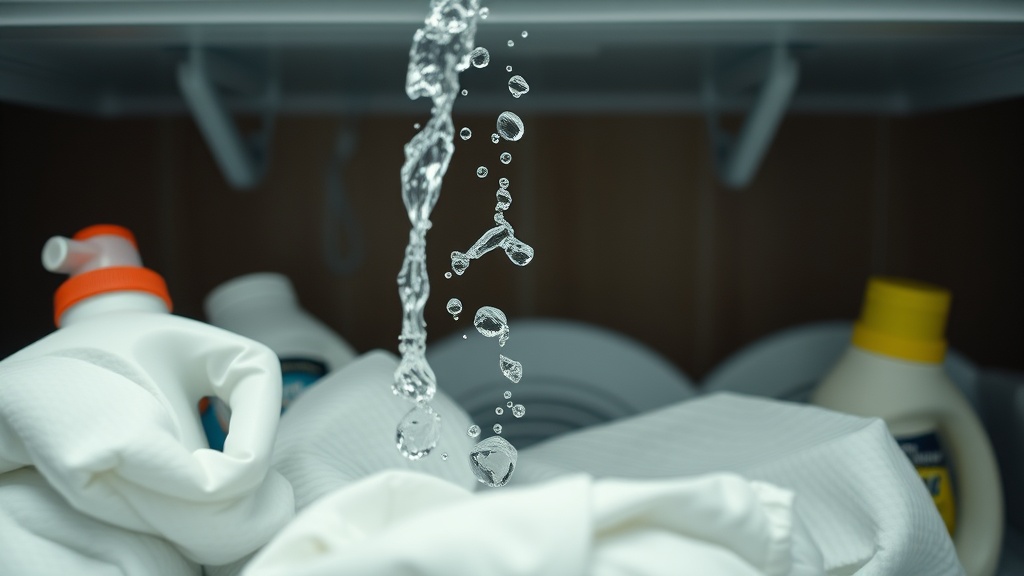
Refilling laundry detergent might seem straightforward until you deal with spills, messy drips, or wasting leftover product every time you try to top up your bottle. For households determined to cut single-use plastic and household-product waste, these small everyday losses add up — not just in plastic bottles, but also in product wasted and the frustration that sabotages refill habits. This guide walks you through practical, spill-proof strategies to refill detergent efficiently, save money, and reduce waste.
Why Care About Refilling Laundry Detergent?
Laundry detergent typically comes in single-use plastic bottles or pouches, generating significant waste. Refilling existing bottles cuts down on plastic consumption and packaging waste. However, if refilling is messy or leads to product waste, the benefits diminish. Achieving controlled, spill-free refills saves detergent, avoids the need for frequent cleanups, and encourages sustainable habits.
See also: Top Refillable Household Products That Slash Single-Use Plastic Waste
Step-by-Step Guide to Refill Laundry Detergent Without Spills or Waste
Phone cases · 15% off first order
Galaxy Case Co.Built for Galaxy. Ready for impact. Code FIRST15GAL1. Choose the Right Container and Refill Source
- Concentration Matters: Many refill pouches and bulk detergents are more concentrated than original bottles. Confirm concentration on labels to adjust amounts accordingly.
- Compatible Refill Options: Refill pouches designed for your bottle or third-party refills that fit your container’s opening reduce handling mishaps.
- Opaque vs Transparent Bottles: Transparent bottles let you see fill levels, reducing overfilling and spillage.
2. Prepare Your Workspace
- Use a clean, flat surface near your laundry area.
- Keep paper towels or cloths handy for minor drips.
- Have a funnel or pouring spout ready (some bottles come with or allow attaching funnels).
3. Clean and Dry the Bottle Neck and Cap
Residue around the bottle neck attracts drips during refilling. Wipe the neck and cap with a dry cloth before refilling to catch any sticky detergent.
4. Use a Funnel or Pouring Spout for Precision
Funnels dramatically reduce spills when transferring liquid. For powdered detergents, narrow-neck bottles or shaker lids improve control. If you refill often, investing in a reusable silicone funnel sized for your bottle is worthwhile.
5. Pour Slowly and Monitor Fill Level
- Tilt the source container slightly and slowly pour detergent down the funnel.
- Keep bottle upright and stop at 80-90% full to allow air space, preventing overflow during handling.
- For highly concentrated refills, dilute according to instructions before pouring to ease measuring and pouring.
6. Wipe Off Spills Immediately
Wipe any spills on your bottle neck or exterior promptly to avoid sticky buildup and slipping hazards.
7. Seal the Bottle and Store Properly
Secure the cap tightly to avoid leaks during storage. Place refills and your bottle on stable shelves or trays to catch any accidental drips later.
Comparing Refill Methods: Bulk vs. Compatible Cartridges vs. Pourable Pouches
| Feature | Bulk Jugs or Pouches | Compatible Refill Cartridges | Brand-Name Refill Cartridges |
|---|---|---|---|
| Spill Risk | Medium (requires funnel) | Low (designed fit, closed) | Lowest (snap-in systems) |
| Plastic Waste | Reduced (vs. new bottles) | Minimal (cartridge reuse) | Minimal (cartridge reuse) |
| Ease of Use | Moderate | High | Highest |
| Cost Savings | High (bulk pricing) | Moderate | Low to moderate |
| Concentration Control | Manual dilution needed | Precise dosing included | Precise dosing included |
| Available Options | Widely available | Limited brands | Brand dependent |
Actionable Takeaway:
- If spill prevention and ease are priorities and you don’t mind slightly higher cost, refill cartridges offer tidy, foolproof refills.
- For cost savings, bulk pouches need proper tools (funnels, diluting) but reduce plastic drastically.
- Single-use bottle refills often claim sustainability but check if the refill is truly decreasing plastic overall.
Ingredient Transparency and Concentration: Why They Matter for Refills
Phone cases · 15% off first order
Phone Case GiftFun finds for every vibe. Code FIRST15GIFTNot all detergents are created equal. Concentrated refills use less water and packaging, but their dosing instructions can be very different. Using the original bottle dosing tab or cap to fill concentrated refills without adjustments can lead to:
- Overuse (wasting detergent and money).
- Excess suds causing appliance issues.
- Under-dosing that reduces cleaning effectiveness.
Always review refill instructions and adjust amounts accordingly. If the refill is a concentrate, consider diluting before pouring into the bottle to avoid drips and ease measurement.
Ingredient transparency is another factor. Refill products that disclose ingredients let you make informed choices about allergenic, environmental, or synthetic components. Using refill detergents without clear labeling can undermine your eco goals if ingredients are harsh or polluting.
Tips for Minimizing Waste Beyond the Refill Process
- Use Measuring Caps: Avoid pouring raw detergent directly into the laundry machine.
- Store Refills in Original Packaging: Some have resealable spouts; resealing prevents leaks.
- Set Up a Dedicated Refill Station: Keeps everything organized and minimizes dripping.
- Regularly Clean Bottles: Prevent residue buildup that leads to clogging or leakage.
Common Pitfalls and How to Avoid Them
Phone cases · 15% off first order
Phone Cases For AllCases that match your energy. Code FIRST15ALL| Common Pitfall | What Happens | How to Avoid It |
|---|---|---|
| Overfilling Bottle | Spills and waste | Stop at 80-90%, leave air space |
| No Funnel Use | Spills and sticky mess | Use well-fitting funnel or spout |
| Ignoring Concentration | Waste or poor cleaning | Follow dosing instructions, dilute if needed |
| Dirty Bottle Neck | Drips and buildup | Wipe bottle neck and cap before refilling |
| Using Non-Compatible Refills | Fit issues, spills, wasted product | Use bottles and refills designed to match |
Maintaining clean and organized refill habits not only reduces spills but also ingrains sustainable routine habits.
Summary
Refilling laundry detergent effectively without spills or waste requires deliberate preparation: choosing compatible refill formats, using pouring aids like funnels, adjusting for concentration, and keeping everything clean. Refills can save money, cut plastic waste, and reduce environmental impact when done right. Use the step-by-step system above to make refills a smooth, reliable part of your sustainable household routine.
Top Picks



Watchdog picks
- 60W Adjustable Temperature Soldering Iron Kit - 9-in-1 With 5 Tips, Solder Wire Check on Amazon → ·
- B00PB6F2V4Check on Amazon → ·
- B000N3BBW0Check on Amazon → ·
- InkOwl Compatible Ink Cartridge Replacement for Roland ECO-SOL MAX Printers ESL3Check on Amazon → ·
- B07D5DN269Check on Amazon → ·
- Soldering Iron Kit, 80W 110V Fast Heat up in 10s LCD Digital Adjustable TemperatCheck on Amazon → ·
- B0B7MKRR58Check on Amazon → ·
- B01N7V39UOCheck on Amazon → ·