
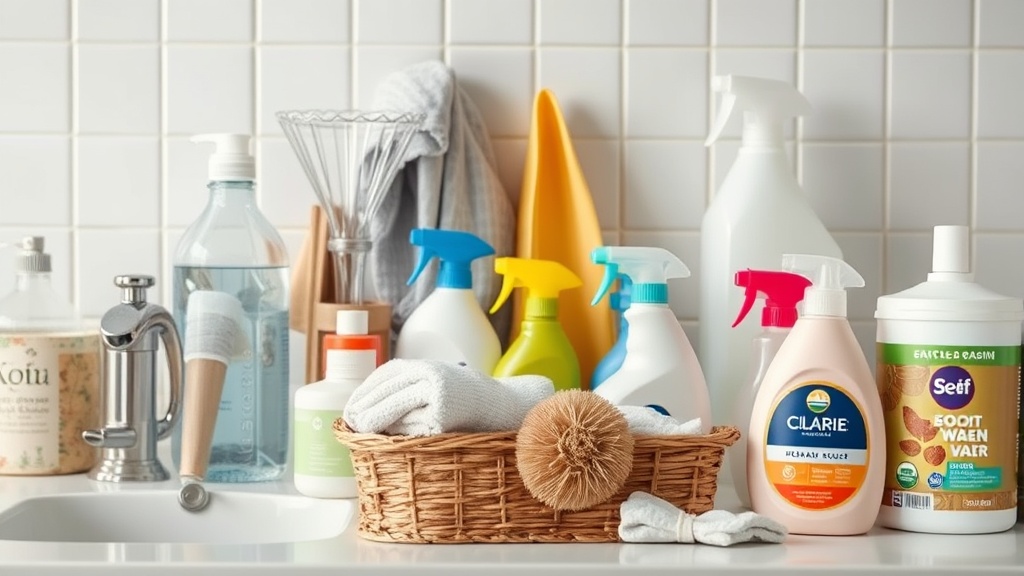
Packing for a trip often means juggling the convenience of disposable products with the desire to reduce single-use plastic waste. Many travelers struggle to maintain their sustainable household routines on the road, particularly when it comes to refilling soaps, shampoos, cleaning sprays, and other daily essentials. The problem? Limited refill options, packaging compatibility issues, and the temptation to buy single-use plastic bottles for convenience. This guide will show you how to refill household products sustainably while traveling, cutting waste without sacrificing practicality or hygiene.
Why Refill Household Products While Traveling?
Refilling rather than buying new bottled products greatly reduces plastic waste, especially when traveling. Tourists and business travelers often accumulate dozens of single-use bottles over time, contributing to landfill overflow and ocean pollution. Furthermore, many refilled products have higher concentrations, meaning less water in the mix and less plastic used over multiple refills. Being intentional about your product use on the road aligns your travel habits with sustainability goals at home.
See also: Refillable vs Concentrated vs Powdered Cleaning Products Explained
Step 1: Plan Your Products & Containers Ahead
Phone cases · 15% off first order
Galaxy Case Co.Built for Galaxy. Ready for impact. Code FIRST15GALStart by deciding which household products you truly need during your trip. Common choices include:
- Hand soap
- Shampoo and conditioner
- Body wash
- Laundry detergent
- Surface cleaner
Next, determine which containers to bring. Reusing your regular household bottles is ideal if they’re travel-friendly. Otherwise, consider lightweight travel-sized refillable bottles with secure caps. Key features to look for in bottles:
| Feature | Why it Matters |
|---|---|
| Leak-proof cap | Prevents spills and mess in your luggage |
| Durable material (silicone/HDPE) | Withstands travel stress without cracks or leaks |
| Size-compliant (under 100 ml for flights) | Avoids hassle with airport security |
| Wide mouth opening | Easier to pour refills without spillage |
Tip: Bring a small funnel or syringe to transfer liquids accurately when refilling containers on the go.
Step 2: Choose Concentrated or Solid Formats
Concentrated products and solids (like shampoo bars or laundry pods) are more space- and weight-efficient for travelers. Concentrates can be diluted with water after refilling and usually reduce plastic packaging waste dramatically.
Examples:
- Concentrated dish soaps or surface cleaners in small bottles require only a few drops per use.
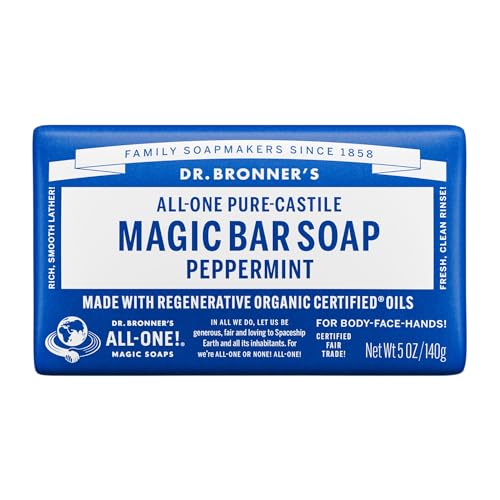
- Shampoo bars eliminate bottles altogether and last longer per ounce.
If you must bring liquids, opt for those marked as “concentrated” and plan to mix with water at your destination.
Step 3: Locate Refill Stations or Third-Party Refills
Phone cases · 15% off first order
Phone Case GiftFun finds for every vibe. Code FIRST15GIFTOnce at your destination, seek local refill stations or stores offering bulk options. Many cities offer refill stores for personal care and cleaning products. If available, bring your emptied bottles for a direct refill — this is the most sustainable route as it avoids new plastic usage.
If refill stations aren’t accessible:
- Consider purchasing compatible third-party refill cartridges or concentrate packets designed to fit your bottles.
- Bring small quantities of solid products purchased at home to minimize purchasing new plastic products abroad.
In hotel or Airbnb settings with limited options, you might bring enough travel-sized refills from home or carry minimal concentrates and dilute as needed.
Step 4: Calculate & Compare Cost and Waste Savings
While sustainable refills often cost slightly more upfront than single-use bottles, the lower environmental impact and long-term cost savings usually outweigh initial price differences. Here’s a simplified cost/waste comparison:
| Product Type | Average Cost per Use | Plastic Waste per Use | Suitability for Travel |
|---|---|---|---|
| Single-use bottled soap | $0.50 | 15g plastic | Convenient but high waste |
| Concentrated refills | $0.30 | 3-5g plastic | Lower waste, requires planning |
| Solid bar shampoo | $0.40 | Zero plastic | Minimal waste, durable on trip |
| Third-party refill pods | $0.35 | 5-7g plastic | Moderate waste, compatible with bottles |
Note: Waste estimates include packaging and bottle weight per use.
Step 5: Pack & Use Mindfully
Phone cases · 15% off first order
Phone Cases For AllCases that match your energy. Code FIRST15ALLWhen packing your refills:
- Use durable, leak-proof containers packed within sealed plastic bags as an extra precaution.
- Label containers with contents and dilution ratios to avoid confusion.
- Store solids in breathable fabric pouches to keep them dry and easy to access.
During use:
- Always check hotel policies regarding refills; some may restrict external products.
- Avoid overpacking liquids to reduce potential baggage weight and spill risk.
- Dispose of any leftover product responsibly—preferably by taking it back home or using it up during your trip.
Common Pitfalls & How to Avoid Them
| Pitfall | How to Prevent |
|---|---|
| Leakage and spills damaging luggage | Use leak-proof bottles and double-seal in zip bags |
| Mismatched bottle or cartridge sizes | Measure bottle openings and bring adapters/funnel |
| Running out of refill products mid-trip | Bring more solid products or concentrates as backup |
| Ignoring airport liquid restrictions | Transfer to compliant sizes and check TSA rules |
| Buying plastic-heavy refills thinking they’re eco-friendly | Verify ingredient concentration and packaging |
Sustainability Tips Beyond Refills
- Choose biodegradable, phosphate-free household products for easier wastewater impact.
- Use multipurpose concentrates (e.g., a single concentrate for dishes and surfaces).
- Bring reusable cloth towels instead of disposable wipes when traveling.
- Support local refill shops to reduce supply-chain emissions.
Summary Table: Travel Refill Options Overview
| Option | Plastic Waste | Travel Convenience | Cost Effectiveness | Best Use Scenario |
|---|---|---|---|---|
| Refillable bottles + local bulk refills | Very Low | Requires advance planning | High (long-term savings) | Long stays in refill-friendly locations |
| Solid bars (shampoo, soap) | None | Travel-friendly, TSA-compliant | Moderate | Short to medium trips |
| Concentrated liquids + dilute later | Low | Medium, requires mixing | High | Trips with access to water |
| Third-party compatible cartridges | Moderate | High convenience | Moderate | Frequent travelers needing easy refills |
| Single-use bottles | High | Very convenient | Low | Emergency/back-up use only |
Top Picks


Watchdog picks
- B01N7V39QJCheck on Amazon → ·
- B000NL0T1KCheck on Amazon → ·
- B07ZPSFVX5Check on Amazon → ·
- B07Q5J5XJLCheck on Amazon → ·
- Cuisinel Cast Iron Skillet with Lid - 12”-inch Pre-Seasoned Covered Frying Pan Check on Amazon → ·
- B000N3BBW0Check on Amazon → ·
- Downy Fabric Softener Dryer Sheets, April Fresh, 120 CountCheck on Amazon → ·
- B07R3N9X3FCheck on Amazon → ·
Products in this guide
- Dawn Ultra Dish Soap, Original Scent, 75 fl oz (2-Pack)Check on Amazon →
- Lodge Seasoned Cast Iron Skillet 6.5 Inches - PFAS-Free, Non-Toxic Cookware - Use with an Oven, Stove, Grill, or Campfire - Naturally Non-Stick & Oven SafeCheck on Amazon →
- Dr. Tobias Omega 3 Fish Oil 2000mg Triple Strength with 800mg EPA 600mg DHA Per Serving | Fish Oil Omega 3 Supplements for Heart Brain & Immune Support - 180 Softgels (90 Servings)Check on Amazon →
- Brother HL-L2300D Monochrome Laser Printer with Duplex PrintingCheck on Amazon →