
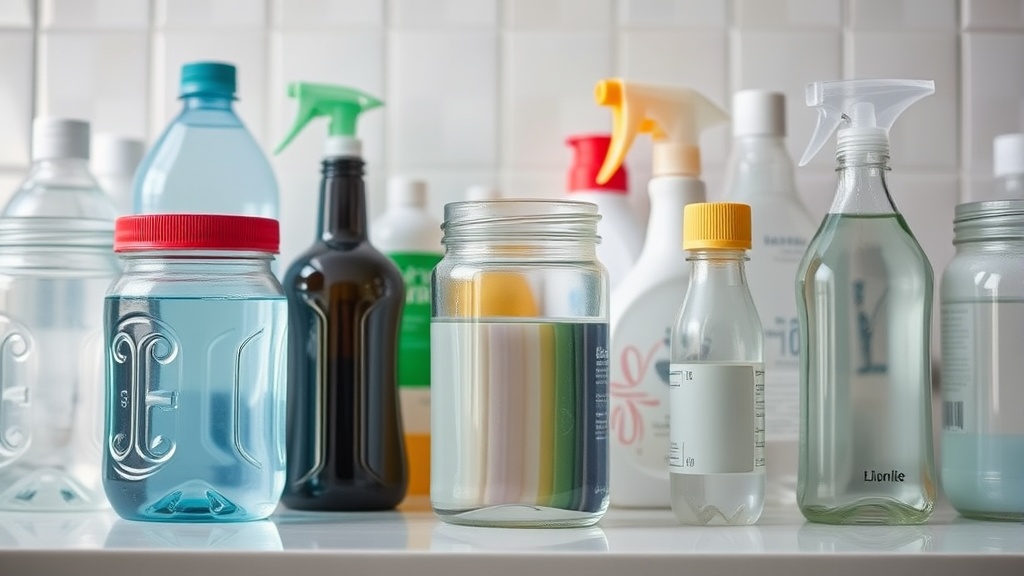
Refilling glass jars for household products is a great way to reduce plastic waste, save money, and control the ingredients in what you use daily. However, it’s not as simple as pouring and sealing. Without proper technique and attention to cleanliness, you risk contamination, spoilage, or even damaging the jar. This guide provides practical, actionable steps to safely refill your glass jars with everything from cleaning products to pantry staples—all while minimizing waste.
Why Refill Glass Jars?
Many households use glass jars to store liquids like dish soap, laundry detergent, homemade cleaners, or pantry staples such as oils, sauces, and spices. Refilling these jars cuts down on single-use plastic packaging and helps you stock up on bulk or concentrate products. But glass requires different handling than plastic, especially for liquids and perishable items.
Common concerns you may have:
- How to ensure the jar is clean and safe for reuse
- Which household products can be safely refilled
- How to refill without contaminating or damaging the jar contents
- How to save money by using concentrate refills or compatible cartridges
See also: How to Refill Personal Care Products Without Cross-Contamination
Step-by-Step: How to Safely Refill Glass Jars
Phone cases · 15% off first order
Galaxy Case Co.Built for Galaxy. Ready for impact. Code FIRST15GAL1. Inspect Your Glass Jars First
Start by checking each jar for visible damage like cracks, chips, or loose lids. Damaged jars can be dangerous and won’t seal properly, risking leaks or bacterial growth. If you find any damage, recycle the jar and don’t use it for food or household products again.
2. Thoroughly Clean and Sanitize the Jar
Residual product or bacteria left in the jar can contaminate the refill contents or shorten shelf-life.
- Cleaning: Wash with warm, soapy water, using a bottle brush to reach into corners.
- Sanitizing: Rinse with a mild bleach solution (1 tablespoon bleach per gallon water) or use a food-safe sanitizing spray. Let air dry completely on a clean rack or inverted over a drying towel.
Avoid dishwasher use if your jars have printed labels or delicate lids—high heat and detergents can damage them.
3. Choose Appropriate Household Products to Refill
Not all liquids or solids are suitable for refilling glass jars:
- Best suited:
- Concentrated soaps and detergents (diluted before use)
- Non-food safe cleaning sprays or liquid cleaners
- Pantry staples like oils, vinegar, honey, or syrups (if preserved correctly)
- Avoid refilling:
- Perishable foods without proper refrigeration or sterilization
- Products with unknown shelf-life or ingredient instability
- Strongly reactive chemicals (bleach only if label says safe)
4. Use Concentrated or Bulk Refills Where Possible
Concentrated refills mean less volume transported and reused containers get more mileage. For example, buying a concentrate detergent in a third-party refill pouch and diluting it at home saves plastic waste and money. Ensure dilutions and formulations match the jar’s original purpose (e.g., don’t dilute heavy-duty cleaner for glass jar originally for hand soap).
5. Pour with Clean Funnels or Measuring Tools
Avoid contamination during transfer:
- Utilize clean, dedicated funnels for each product type to prevent cross-contamination or residue buildup.
- Use measuring cups if volume control is needed.
- Hold the jar steady on a flat surface, filling to recommended levels leaving headspace to allow sealing without pressure buildup.
6. Label Your Jars Clearly
Especially if using generic reusable jars, label each jar with contents, dilution ratios, and refill dates. This prevents misuse or accidental mixing—and helps track freshness.
7. Store Filled Jars in a Safe Environment
Keep refilled jars away from direct sunlight, extreme heat, or freezing temperatures. This maintains product integrity and glass safety.
Comparison Table: Refill Method Trade-offs for Glass Jars
| Method | Ease of Use | Contamination Risk | Cost Efficiency | Environmental Impact | Best for Product Types |
|---|---|---|---|---|---|
| Direct Refill from Bulk | Moderate | Moderate | High (bulk pricing) | Very Low | Concentrates, pantry staples |
| Cartridge or Capsule | Easy | Low | Moderate | Low (usually plastic) | Detergents, personal care |
| Mixing Dilution at Home | Moderate | Moderate | Very High | Low | Concentrated soaps, cleaners |
| DIY from Ingredients | Hard | High (risk vary) | Variable | Very Low | Homemade cleaners, oils |
Note: Environmental impact varies with packaging materials of refill sources and disposal practices.
What to Watch Out For: Common Pitfalls
Phone cases · 15% off first order
Phone Case GiftFun finds for every vibe. Code FIRST15GIFT- Reusing soft lids or plastic caps from old jars: These degrade faster and can leak. Replace with fresh lids designed for reuse.
- Not fully drying jars after sanitizing: Residual moisture breeds bacteria.
- Mixing incompatible product residues: Do not refill food jars with non-food products or vice versa.
- Ignoring manufacturer warnings: Some glass jars or products are intended for one-time use only.
- Underestimating shelf-life: Refills without preservatives or refrigeration spoil quickly.
- Refilling incompatible product types: For example, never reuse a glass jar that contained oil for acidic cleaners without thorough cleaning.
Top Picks




Watchdog picks
Phone cases · 15% off first order
Phone Cases For AllCases that match your energy. Code FIRST15ALL- 280XXL 281XXL Ink for Canon Ink 280 281 Replacement for Canon TR8620 Ink CartridCheck on Amazon → ·
- Downy Fabric Softener Dryer Sheets, April Fresh, 120 CountCheck on Amazon → ·
- B00762AHTECheck on Amazon → ·
- B08PDT1Y3HCheck on Amazon → ·
- B08FY8XQ3WCheck on Amazon → ·
- B08PDHVZ4NCheck on Amazon → ·
- Eva-Dry Wireless Mini Dehumidifier, White (E-333)Check on Amazon → ·
- B000NL0T1KCheck on Amazon → ·
Products in this guide
- Dawn Ultra Dish Soap, Original Scent, 75 fl oz (2-Pack)Check on Amazon →
- Tide PODS Laundry Detergent Soap Pods, Original Scent, 112 CountCheck on Amazon →
- YIHUA 939D+ Digital Soldering Station, 75W Equivalent with Precision Heat Control (392°F to 896°F) and Built-in Transformer. ESD Safe, Lead Free with °C/°F display (Black)Check on Amazon →
- WEP 926LED V3 Soldering Station 130W MAX Soldering Iron Kit with Solder Wire, 5 Soldering Tips, Tweezers, Solder Sucker, Tip Cleaner, Temperature Control, Sleep Mode, C-F ConversionCheck on Amazon →