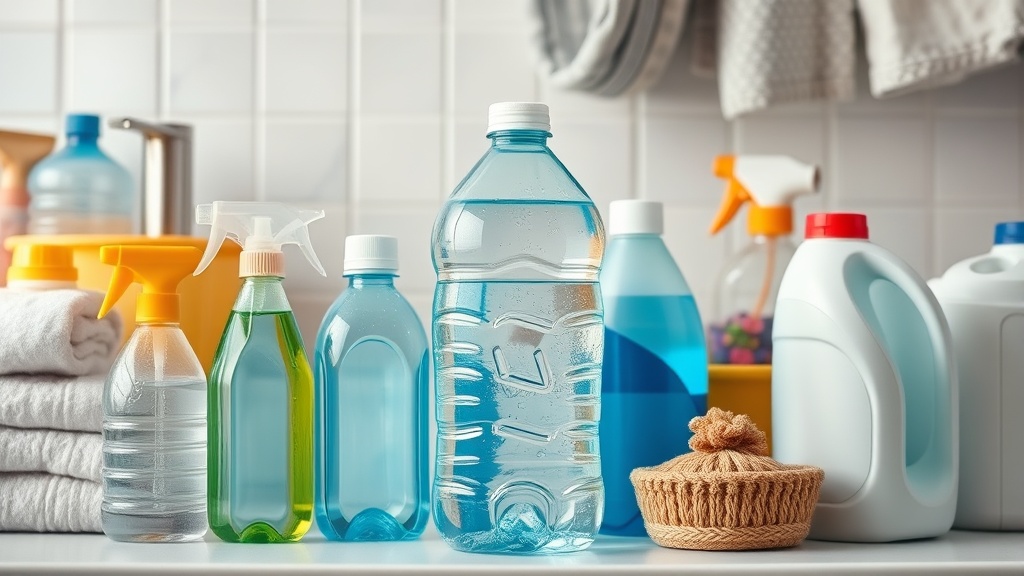
Properly cleaning refillable containers is crucial to avoid mold growth, which is a common and frustrating problem for households trying to cut single-use plastic waste. Whether you refill bottles for cleaning products, personal care, or food storage, failing to clean containers thoroughly can lead to mold contamination, unpleasant odors, and potential health risks. This article explains why mold forms, how to clean different types of refillable containers effectively, and which cleaning methods actually prevent mold without wasting water or using harsh chemicals.
Why Mold Grows in Refillable Containers
Mold thrives in damp, nutrient-rich environments with poor airflow—conditions often found inside containers that aren’t dried or cleaned properly. Leftover residue from detergents, oils, or food can feed mold spores, and if the container remains sealed while still moist, mold can multiply quickly. This undermines the benefits of using refillable containers by contaminating the products and posing hygiene risks.
Common signs of mold include:
- Visible black, green, or white fuzzy spots
- Musty odors
- Cloudy or slimy residue inside containers
Understanding these conditions helps us tailor cleaning steps to break the mold life cycle and keep containers safe for reuse.
See also: How to Store Refillable Products to Maximize Shelf Life
How to Properly Clean Refillable Containers to Avoid Mold: Step-by-Step
Phone cases · 15% off first order
Galaxy Case Co.Built for Galaxy. Ready for impact. Code FIRST15GAL1. Empty and Rinse Immediately After Use
Prevent residue buildup by emptying containers right after use. Rinse with warm water to dilute and flush out leftover product, which reduces mold food sources.
- Use warm water for oils and viscous products to dissolve leftovers.
- Swirl and tap to reach hard-to-clean corners.
2. Wash with Appropriate Cleaning Agents
Choose a cleaning method suited to the container’s previous contents:
- Mild dish soap and warm water: Suitable for most refillable bottles and jars used for household or food products.
- White vinegar: Natural antifungal properties; great for neutralizing odors and light mold prevention.
- Baking soda paste: Use for scrubbing stubborn residues or deposits.
- Diluted bleach solution (1 tablespoon bleach per gallon of water): For occasional deep cleaning if mold has appeared; rinse thoroughly afterward.
Avoid harsh chemicals or abrasive tools that could damage container seals or plastics, reducing container lifespan.
3. Use Brushes or Tools to Reach Every Spot
Containers with narrow necks or complex shapes require specific tools:
- Bottle brushes with flexible heads reach depth.
- Pipe cleaners or cotton swabs help clean caps, seals, and lids.
- Dishcloths for wider-mouth jars.
Ensure cleaning tools themselves are mold-free — wash and dry them frequently.
4. Rinse Thoroughly to Remove All Detergent Residue
Residue from soaps or cleaning agents can also feed mold, so rinse containers multiple times under clean running water until no foam remains.
5. Dry Completely Before Storing or Refilling
Moisture left inside creates the perfect environment for mold:
- Air-dry containers upside down on a drying rack.
- Use a clean dish towel to speed up drying.
- Leave lids or caps off until fully dry.
Avoid drying in closed or humid spaces.
6. Sanitize Periodically for Added Protection
Even with regular cleaning, mold spores can linger. Sanitize containers once a month using methods like:
- Soaking in a vinegar or hydrogen peroxide solution for 10-15 minutes.
- Running dishwasher cycles if containers are dishwasher-safe.
- Exposure to sunlight, which naturally kills mold spores.
Sanitizing keeps refillable containers fresh and safe between uses.
Different Container Materials and Cleaning Considerations
Some materials require special care to maintain mold resistance:
| Container Material | Cleaning Tips | Mold Risk | Best Cleaning Method | Notes |
|---|---|---|---|---|
| Glass | Dishwasher safe; soak if needed; avoid abrasive pads | Low | Dishwasher or warm soapy water + vinegar soak | Non-porous; easy to sterilize |
| Stainless Steel | Use mild soap; avoid bleach unless stainless grade allows | Very low | Warm soapy water; occasional vinegar rinse | Corrosion-resistant; no odor retention |
| Plastic (HDPE, PET) | Avoid harsh scrubbing; use diluted bleach or vinegar; air dry well | Medium | Warm soapy water; thorough drying critical | May retain odors; prone to scratches that harbor mold |
| Silicone | Wash with soap; safe for dishwasher | Low | Soap and water; occasional vinegar spray | Flexible; less likely for mold but still needs drying |
Material choice impacts cleaning frequency and mold risk. Glass and metal are generally easier to keep mold-free than plastic.
When to Clean vs When to Replace Containers
Phone cases · 15% off first order
Phone Case GiftFun finds for every vibe. Code FIRST15GIFTEven with proper cleaning, some containers eventually degrade or develop permanent mold issues.
- Replace containers showing deep scratches, discoloration, or persistent odors.
- Check seals and caps; replace if damaged as they trap moisture.
- If you face repeated mold problems despite cleaning, consider containers with antimicrobial coatings or switching materials.
Balancing reuse with hygiene and safety is key.
Comparison: Cleaning Methods for Mold Prevention
| Cleaning Method | Mold Removal Effectiveness | Ease of Use | Environmental Impact | Cost | Suitable For |
|---|---|---|---|---|---|
| Warm water + dish soap | Medium | Easy | Low | Low | All containers |
| White vinegar soak | High | Moderate | Low | Low | Glass, metal, plastic |
| Baking soda scrub | Medium | Moderate | Low | Low | Tough residues |
| Diluted bleach soak | Very high | Moderate | Medium (chemical) | Low | Severe mold cases |
| Dishwasher | High | Easy | Medium (water/energy) | Medium | Dishwasher-safe only |
For routine cleaning, warm soapy water plus vinegar rinses are effective, environmentally responsible, and low-cost. Reserve bleach treatments for stubborn mold infestations.
Summary Checklist for Mold-Free Refillable Containers
Phone cases · 15% off first order
Phone Cases For AllCases that match your energy. Code FIRST15ALL- Rinse containers immediately after emptying.
- Wash regularly with soap or vinegar.
- Use brushes and clean tools for deep cleaning.
- Rinse thoroughly to avoid soap residue.
- Dry completely before storage.
- Sanitize monthly or after mold exposure.
- Inspect containers and replace as needed.
By following these steps, you’ll reduce mold risk dramatically while maximizing your plastic and product waste reduction goals.
Top Picks

Watchdog picks
- Utopia Bedding Bed Pillows for Sleeping Queen Size (Blue), Set of 6, Cooling HotCheck on Amazon → ·
- Field Company Small Cast Iron Skillet – 8.38-Inch Pre-Seasoned Pan for 1–2 ServiCheck on Amazon → ·
- B07D5DN269Check on Amazon → ·
- Soldering Iron Kit, 80W 110V LCD Digital Solder Iron Pen with Ceramic Heater, PoCheck on Amazon → ·
- Dr. Tobias Omega 3 Fish Oil 2000mg Triple Strength with 800mg EPA 600mg DHA Per Check on Amazon → ·
- HQ Replacement Soldering Iron For Hakko FX-8801 FX-888D StationCheck on Amazon → ·
- B07ZPSFVX5Check on Amazon → ·
- WEP 927-IV Soldering Station Kit High-Power 110W with 3 Preset Channels, Sleep MCheck on Amazon → ·
Products in this guide
- WEP 927-IV Soldering Station Kit High-Power 110W with 3 Preset Channels, Sleep Mode, LED Magnifier, 5 Extra Iron Tips, Tip Cleaner, 2 Helping Hands, Tip Storage Slots, Lead-free Solder Wire, TweezersCheck on Amazon →
- Dawn Ultra Dish Soap, Original Scent, 75 fl oz (2-Pack)Check on Amazon →
- YIHUA 939D+ Digital Soldering Station, 75W Equivalent with Precision Heat Control (392°F to 896°F) and Built-in Transformer. ESD Safe, Lead Free with °C/°F display (Black)Check on Amazon →
- Soldering Iron Kit, 60W LED Display Digital Solder Pen, 5 Replaceable Tips, 21-in-1 Fast Heating with Solder Wire, Stand, Desoldering Pump, for Electronics Repair Hobby DIY 120V US Plug from PlusivoCheck on Amazon →