
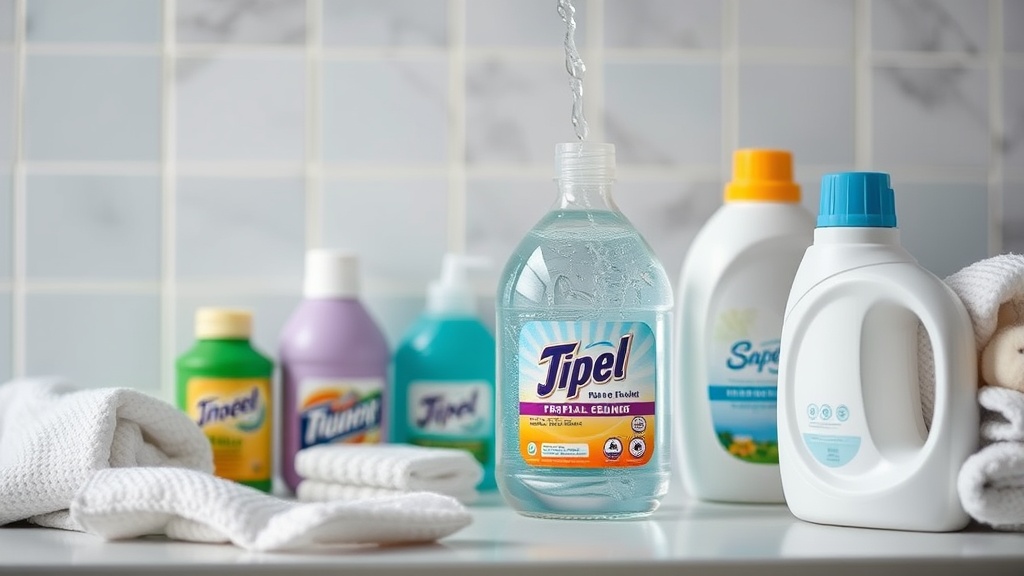
Making your own laundry detergent at home can be a powerful way to reduce plastic waste and cut back on household chemical use, but it’s not as simple as grabbing a recipe online and mixing ingredients. Many DIY detergent recipes don’t concentrate well, require excessive packaging for refills, or come with unclear ingredient transparency. This article will guide you through how to make an effective, low-waste, refillable laundry detergent at home, focusing on concentration ratios, ingredient choices, cost comparisons, and realistic refillable claims.
Why Make Your Own Laundry Detergent?
Store-bought laundry detergents typically come in single-use plastic bottles, often bulky and partially filled with water. This packaging waste adds up quickly for households trying to cut their plastic footprint. Making your own detergent lets you:
- Cut down on single-use plastic bottles.
- Control ingredients for sensitive skin or allergies.
- Save money by buying bulk or cost-effective ingredients.
- Customize scent and cleaning strength.
However, not all homemade detergents are equal. Many DIY recipes:
- Use large volumes of water, diluting concentrated cleaning ingredients.
- Require frequent refills or new containers.
- Lack transparency on ingredient efficacy and interactions.
That’s why a thoughtful approach to concentration, ingredient choice, and reuse is critical.
See also: How to Make Your Own Refillable Air Freshener at Home
How to Make Effective, Refillable Laundry Detergent at Home
Phone cases · 15% off first order
Galaxy Case Co.Built for Galaxy. Ready for impact. Code FIRST15GALStep 1: Understand Concentration Ratios
Concentration ratio = volume of detergent per load vs. amount of active cleaning agents.
- Most commercial detergents are highly concentrated, often between 15-30% active ingredients by weight.
- Water-heavy DIY detergents might have <5% active ingredients, requiring larger doses and more frequent refills.
- Goal: find a formula with 10-20% active detergent concentration for effectiveness and packaging efficiency.
Higher concentration allows using smaller bottles, reducing waste and transport emissions.
Step 2: Choose Your Ingredients Wisely
Typical homemade detergent components:
| Ingredient | Role | Notes on Use |
|---|---|---|
| Washing Soda (Sodium Carbonate) | Water softener and cleaning booster | Easily sourced, improves detergency |
| Borax (Sodium Borate) | Disinfectant and stain remover | Can cause sensitivity; use carefully |
| Soap Flakes | Surfactant, the primary cleaner | Use natural, fragrance-free options |
| Baking Soda (Sodium Bicarbonate) | Odor neutralizer | Gentle; adds mild alkalinity |
| Essential Oils | Fragrance | Optional; use sparingly to avoid skin irritation |
| Water | Solvent | Use distilled or filtered to avoid minerals |
Ingredient transparency tips:
- Select components you can identify and understand.
- Avoid complex or synthetic chemicals that aren’t necessary.
- Ensure each ingredient’s safety profile aligns with your household needs.
Step 3: Mixing a Concentrated Base
Here’s a tested starting recipe for ~ 1 gallon (3.8 L) concentrated detergent:
- 1 cup washing soda
- 1/2 cup borax (optional)
- 1 cup grated natural soap flakes
- 3 cups boiling water (use less for more concentration)
- 10-15 drops essential oil (optional)
Instructions:
- Dissolve washing soda and borax in 2 cups boiling water.
- Add soap flakes and stir until melted.
- Add remaining water and mix thoroughly.
- Let cool, stirring occasionally until thickened but pourable.
- Store in reusable bottle or jug.
Use approximately 1-2 tablespoons per load, adjusting for water hardness and soil level. You can increase concentration by reducing water volume, but remember high concentration means thicker product, which may require shaking before use.
Step 4: Reuse and Refill Your Containers Strategically
To really cut waste, pairing your homemade detergent with:
- Durable, wide-mouth bottles or jugs designed for reuse
- Funnels or spouts for easy refilling
- Clearly labeled containers to avoid confusion
Important: Refilling claims matter—refilling a rigid plastic bottle repeatedly saves more waste than swapping single-use sachets or cartridges that still contain plastic.
| Refill Method | Waste Reduction | User Effort | Cost Consideration |
|---|---|---|---|
| Bulk Powder to DIY Detergent | High (less water/packaging) | Moderate mixing step | Cost-effective bulk |
| Compatible Cartridge Refills | Moderate (less bottle waste) | Low ease | Moderate but higher price than bulk |
| Brand-name Cartridge Refills | Low (cartridge plastic still used) | Very easy | Highest cost |
| Single-use Plastic Bottles | None | Easiest | Highest cost and waste |
Step 5: Test and Adjust Per Your Laundry Needs
Detergent effectiveness depends on load size, water temperature, washing machine type, and soil level.
- Run a test with lightly soiled clothes to gauge cleaning power.
- Increase detergent slightly if stains persist.
- Reduce for delicate fabrics.
- Avoid overusing to prevent buildup in washer or clothes.
Cost-Benefit Comparison: Homemade vs Commercial Detergents
| Factor | Homemade Detergent | Commercial Detergent |
|---|---|---|
| Price per load | $0.05 - $0.15 (depending on bulk ingredient prices) | $0.15 - $0.40 (brand-dependent) |
| Packaging Waste | Minimal if refilling reusables | High single-use plastic bottles |
| Ingredient Transparency | High - you pick each component | Low - proprietary blends and fillers |
| Convenience | Requires mixing and measuring | Pre-measured and ready to use |
| Cleaning Power | Adjustable; best if concentrated | Consistently formulated, often more surfactants/fillers |
When Homemade Detergent Might Not Be Best
Phone cases · 15% off first order
Phone Case GiftFun finds for every vibe. Code FIRST15GIFT- You have very hard water requiring specialized formulas.
- You use high-efficiency (HE) washers that need low-sudsing detergents.
- You want ultra-convenience with no prep time.
- You live in a small household where large batch storage is impractical.
In these cases, consider purchasing concentrated commercial refills or third-party refill cartridges verified for plastic waste reduction.
Summary
Making homemade refillable laundry detergent helps reduce plastic waste and offers ingredient transparency, but achieving effective concentration and practical refillability is key. Use bulk powders, carefully mix concentrated batches, and choose durable reuse containers for the biggest environmental and cost impact.
Top Picks
Phone cases · 15% off first order
Phone Cases For AllCases that match your energy. Code FIRST15ALL


Watchdog picks
- B01N5Q9Q6JCheck on Amazon → ·
- B08B3K9H7LCheck on Amazon → ·
- LxTek Compatible Toner Cartridge 6510 6515 106R03480 106R03477 106R03478 106R034Check on Amazon → ·
- PAROXETINE 7.5 MG CAPCheck on Amazon → ·
- B00NQ1CLTICheck on Amazon → ·
- B0B7MKRR58Check on Amazon → ·
- Stuart Weitzman Women’s Metro Slingback Sandal,Palomino Llama Calf,8 M USCheck on Amazon → ·
- Eva-Dry Wireless Mini Dehumidifier, White (E-333)Check on Amazon → ·
Products in this guide
- Lodge Seasoned Cast Iron Skillet 6.5 Inches - PFAS-Free, Non-Toxic Cookware - Use with an Oven, Stove, Grill, or Campfire - Naturally Non-Stick & Oven SafeCheck on Amazon →
- Dr. Tobias Omega 3 Fish Oil 2000mg Triple Strength with 800mg EPA 600mg DHA Per Serving | Fish Oil Omega 3 Supplements for Heart Brain & Immune Support - 180 Softgels (90 Servings)Check on Amazon →
- Brother HL-L2300D Monochrome Laser Printer with Duplex PrintingCheck on Amazon →
- Utopia Bedding Bed Pillows for Sleeping Queen Size (Blue), Set of 6, Cooling Hotel Quality, Gusseted Pillow for Back, Stomach or Side SleepersCheck on Amazon →