
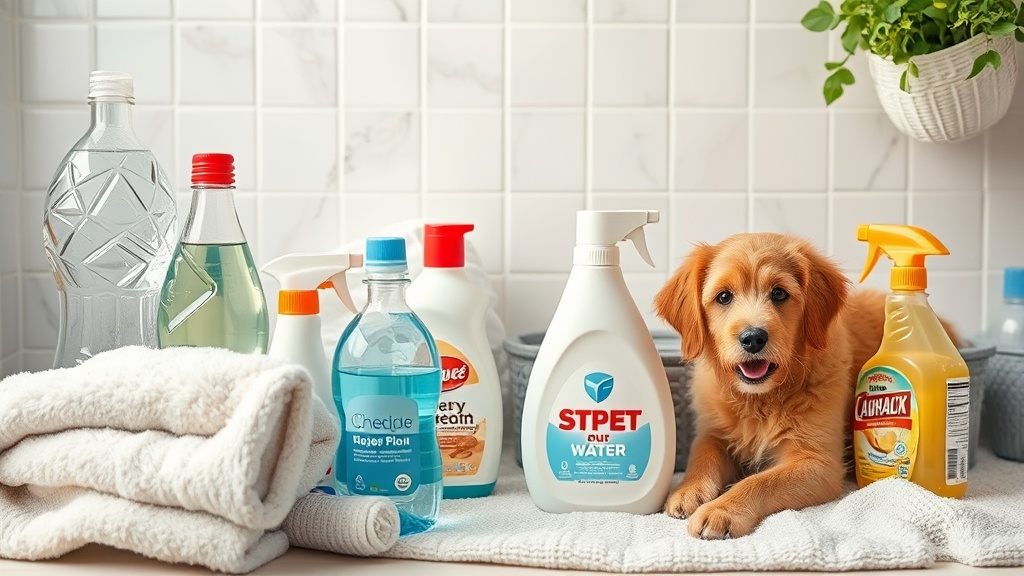
Choosing refillable products can drastically reduce your household’s plastic waste, but not all “refillable” options are created equal. Many families find themselves confused by claims on packaging, unclear ingredient lists, varying concentration levels, and complicated cost comparisons that make it hard to know which refillable products truly help the environment and your budget. This guide breaks down how to choose the best refillable products for zero-waste families, focusing on transparency, real waste reduction, and cost-effectiveness.
What Are Refillable Products?
Refillable products are items designed to be used multiple times with replenishments—usually in the form of concentrates, cartridges, or bulk refills—to reduce single-use packaging waste. Common categories include cleaning supplies, personal care items, and household consumables like dish soap, laundry detergent, shampoo, and toothpaste.
Key features of refillable products:
- A durable container designed to be reused
- Refill packs or cartridges that replace disposable bottles
- Concentrated formulas or bulk refills to minimize packaging volume
However, the term “refillable” is loosely applied and doesn’t always guarantee a meaningful waste reduction or cost savings without some consideration.
See also: Best Refillable Dish Soap Brands for Zero-Waste Kitchens
How Refillable Products Work
Phone cases · 15% off first order
Galaxy Case Co.Built for Galaxy. Ready for impact. Code FIRST15GALThere are generally three refill formats:
- Bulk refills: Large pouches, bags, or tubs intended to refill your existing container multiple times. Usually liquid or powder.
- Concentrated refills: Highly concentrated formulas diluted with water at home to make the full-strength product.
- Cartridge refills: Pre-measured cartridges designed to snap into a reusable dispenser. These are often proprietary and less flexible.
Most refillable products aim to reduce plastic waste by either eliminating pre-filled single-use bottles or reducing the shipment weight via concentrates, which reduces carbon footprint and packaging.
Step-by-Step Guide to Choosing Refillable Products
1. Assess Your Waste Habits and Needs
- Identify which household items you use most frequently and generate the most packaging waste.
- Prioritize items with large plastic bottles or tubes that you discard regularly, such as shampoo, dish soap, or laundry detergent.
2. Check Concentration Ratios and Dosage
- Look for refill options that offer a concentration ratio (e.g., 1 part concentrate to 10 parts water). Higher concentration means less packaging and more product per refill.
- Avoid “refill packs” that are simply smaller versions of the original bottle without concentration—they save less waste.
- Calculate the concentrate’s dilution amount to understand how much product you get per refill.
3. Compare Cost per Use (Not Just Price)
- Compare the refill price based on the actual amount of full-strength product it makes, not just bottle volume.
- Account for your container’s initial cost amortized over many refills.
- Don’t forget to factor in shipping or purchasing convenience costs if buying third-party refills.
4. Evaluate Ingredient Transparency
- Choose refill products that clearly disclose ingredients or provide accessible Safety Data Sheets (SDS).
- Avoid proprietary ‘fragrance blends’ or vague ingredient lists that can hide harmful or allergenic compounds.
- Transparent brands make it easier to avoid irritating or environmentally harmful chemicals.
5. Understand “Refillable” Claims
- Verify if the container is truly reusable, or if it requires replacement parts or cartridges every cycle.
- Be wary of “refillable” cartridges that generate their own plastic waste.
- Favor durable containers made of glass, stainless steel, or thick plastic designed for many refill cycles.
6. Check Compatibility and Availability of Refill Packs
- If the refill uses cartridges, ensure third-party compatible refills are available to reduce cost and packaging waste.
- Consider refill availability locally or via subscription to minimize last-minute buying of new bottles.
7. Factor in Practicality and User Experience
- Some concentrates require dilution steps that might be inconvenient.
- Cartridges can be easier but often cost more and use small packaging.
- Think about your household routine and who will use the product to ensure refill methods fit your lifestyle.
Refillable Product Comparison Table
Phone cases · 15% off first order
Phone Case GiftFun finds for every vibe. Code FIRST15GIFT| Feature | Bulk Concentrate Refills | Cartridge Refills | Smaller “Refill Packs” of Full Product |
|---|---|---|---|
| Packaging Waste | Lowest (large bulk bags) | Moderate (small cartridges) | Moderate to high (mini bottles) |
| Cost per Use | Lowest (dilution savings) | Higher (proprietary parts) | Moderate (less bulk savings) |
| Ingredient Transparency | Often high (generic formulas) | Variable (brand restricted) | Moderate (brand listed) |
| Ease of Use | Requires dilution, measuring | Plug and play cartridges | Simple pour-in refill |
| Container Durability | Usually reusable heavy bottles | Often proprietary dispensers | Existing bottles reused |
| Waste Reduction Impact | High (low single-use plastic) | Moderate (cartridge waste) | Low to moderate (some plastic saved) |
| Availability & Flexibility | High (third-party refills common) | Usually brand-specific | Medium, brand dependent |
Common Pitfalls to Avoid
- Buying refill packs that are merely smaller versions of the bottle: There’s little waste reduction benefit if packaging is not minimized or eliminated.
- Ignoring concentration and dilution info: Buying a diluted product thinking it’s equivalent to concentrate leads to more frequent buying and waste.
- Assuming all cartridges are eco-friendly: If cartridges or parts aren’t recyclable or reusable, they still generate plastic waste.
- Overlooking refills’ ingredient transparency: Less transparent formulas might contain harmful substances or allergens, undermining your health/environment goals.
- Neglecting upfront container cost and replacement parts: Some reusable containers have parts that wear out and require replacements, adding to cost/waste.
- Skipping cost-per-use calculations: High sticker prices for concentrates or refills can deceive you into thinking you’re saving money when you may not be.
Summary Checklist for Choosing Refillable Products
Phone cases · 15% off first order
Phone Cases For AllCases that match your energy. Code FIRST15ALL- Prioritize your highest-waste household categories
- Seek high concentration ratios or bulk refills
- Verify ingredient transparency and safety
- Confirm true durability and reusability of containers
- Calculate total cost-per-use, including container and refill
- Consider availability of third-party or compatible refills
- Evaluate convenience in your household context
Top Picks

Watchdog picks
- Lodge Cast Iron Set - 5-Piece Set - Pre-Seasoned Kitchen Set - Skillets, GriddleCheck on Amazon → ·
- B000VKGRF0Check on Amazon → ·
- B0014D3N0QCheck on Amazon → ·
- B000H0XFCSCheck on Amazon → ·
- B08PDT1Y3HCheck on Amazon → ·
- B07C11YW88Check on Amazon → ·
- B07R3N9X3FCheck on Amazon → ·
- Astra Platinum Double Edge Safety Razor Blades,100 Blades (20 x 5)Check on Amazon → ·
Products in this guide
- Dawn Ultra Dish Soap, Original Scent, 75 fl oz (2-Pack)Check on Amazon →
- B00063RWT8Check on Amazon →
- Lodge Seasoned Cast Iron Skillet 6.5 Inches - PFAS-Free, Non-Toxic Cookware - Use with an Oven, Stove, Grill, or Campfire - Naturally Non-Stick & Oven SafeCheck on Amazon →
- B000H0XFCSCheck on Amazon →