Hand Soap Refill Pumps vs. New Bottles: What RefillWatch Tracks on Unit Price

By Dana Wolff · Editor, RefillWatch
Published May 28, 2026

RefillWatch is reader-supported. When you buy through links on our site, we may earn an affiliate commission, at no extra cost to you. This helps us keep our watchdog services free and independent. We never accept payment from retailers to feature products or services.
Hand Soap Refill Pumps vs. New Bottles: What RefillWatch Tracks on Unit Price
The humble bottle of hand soap. It’s a household staple, a constant presence by the kitchen sink and in every bathroom. We use it multiple times a day without much thought. But what if that seemingly innocuous bottle is quietly costing you more than it used to? Retailers are masters of subtle price increases, and the world of hand soap is no exception.
At RefillWatch, our mission is to shine a light on these price creeps. We focus on the everyday items you buy repeatedly, the ones where small percentage hikes can add up to significant dents in your budget over time. Hand soap is a prime example. While a single bottle might not break the bank, consistently overpaying for it certainly will.
This is where the concept of refills becomes incredibly important. You might have a perfectly good pump dispenser that you’ve grown accustomed to. Why throw it away and buy a whole new one, complete with a new pump mechanism, when you could simply refill it? It’s a question of cost, convenience, and sustainability.
But the math isn’t always as straightforward as it seems. Retailers can be cagey about unit pricing, and the packaging of refills versus new bottles can be designed to obscure the true cost per ounce. That’s why RefillWatch dives deep into the numbers, comparing the cost of a brand-new bottle of hand soap with its refill counterpart, and then we point you toward smarter, more economical choices.
The Hidden Cost of Convenience: Why Bottle vs. Refill Matters
The packaging of hand soap offers a classic retail dilemma: upfront convenience versus long-term value. A new bottle of hand soap, complete with its attractive dispenser, is designed to catch your eye on the shelf. It’s ready to use immediately. But that convenience comes at a price, not just in dollars, but in the resources used to create and dispose of that entire package.
Deconstructing the Price Tag: What You’re Actually Paying For
When you buy a new bottle of hand soap, you’re not just paying for the soap itself. You’re paying for:
- The Soap: The actual liquid you use to clean your hands.
- The Bottle: Often made of thicker plastic, designed for durability and aesthetics.
- The Pump Mechanism: A complex piece of machinery that can be prone to breaking or clogging.
- Marketing and Packaging: The design, branding, and shelf appeal.
- Retailer Markup: The profit margin for the store selling the product.
A refill pouch or bottle, on the other hand, aims to strip away much of that extraneous cost. The goal is to deliver more soap for less money, by simplifying the packaging and eliminating the need for a new dispenser each time.
The “Shrinkflation” Factor: When Less Soap Costs More
Retailers don’t always resort to outright price increases. A more insidious tactic is “shrinkflation,” where the product size decreases, but the price remains the same or even increases. This is particularly common with liquid products like hand soap. You might notice a bottle that looks the same size, but it contains a few ounces less soap than it used to.
RefillWatch actively tracks these changes. We look at the advertised volume of both new bottles and refill options and compare them to their prices. This allows us to calculate the true cost per ounce, revealing when shrinkflation is at play and how much more you’re being asked to pay for less product.
Calculating the Real Hand Soap Refill Savings: A Case Study
Let’s get down to the numbers. To illustrate the potential savings, we need to compare the cost per ounce of a typical new hand soap bottle with its corresponding refill. For this example, we’ll use a popular, widely available brand of liquid hand soap.
Scenario 1: The New Bottle
Imagine you purchase a new 11-ounce bottle of a well-known brand of foaming hand soap for $3.50.
- Cost per ounce: $3.50 / 11 ounces = $0.318 per ounce (approximately 32 cents per ounce).
Scenario 2: The Refill Pouch
Now, consider the refill option for the same brand. A 30-ounce refill pouch might be priced at $7.00.
- Cost per ounce: $7.00 / 30 ounces = $0.233 per ounce (approximately 23 cents per ounce).
The Savings Calculation:
In this simplified scenario, switching from a new bottle to a refill pouch saves you:
- Savings per ounce: $0.318 - $0.233 = $0.085 per ounce.
If you use 5 ounces of soap per month (a reasonable estimate for a household of two), those savings add up:
- Monthly savings: 5 ounces * $0.085/ounce = $0.425.
- Annual savings: $0.425/month * 12 months = $5.10.
While $5.10 might not sound like a fortune, consider that this is for one type of hand soap in one bathroom. If you have multiple dispensers, or you use different types of hand soap, those savings can multiply. More importantly, this illustrates the principle: refills almost always offer better value.
What If the Refill Price Creeps Up?
Retailers can also increase the price of refill pouches. For instance, if that 30-ounce refill pouch price jumps to $8.50, the calculation changes:
- New cost per ounce: $8.50 / 30 ounces = $0.283 per ounce.
Even with this increase, it’s still cheaper than the new bottle ($0.283 vs. $0.318 per ounce). However, the savings per ounce are reduced to $0.035. This is why RefillWatch’s continuous monitoring is crucial. We catch these shifts and alert you when the “savings” on refills start to diminish, prompting you to look for even better alternatives.
The “New Bottle” Trap: When Refills Aren’t Obvious
Sometimes, retailers make it difficult to find the refill option. They might place new bottles prominently at eye-level, while refills are relegated to a lower shelf or a different section of the store. This is a deliberate strategy to encourage the purchase of the more profitable new bottle. RefillWatch aims to cut through this clutter by highlighting where the true value lies.
Beyond Hand Soap: RefillWatch’s Broader Mission
Our commitment to uncovering value extends far beyond just hand soap. The principles of refillable versus disposable, and the constant battle against sneaky price hikes, apply to a vast array of consumer goods.
Other Household Staples We Monitor
We diligently track price fluctuations and refill options for numerous items you rely on daily:
- Laundry Detergent: We’ve seen significant price increases here, and the savings from switching to concentrated refills can be substantial.
- Dish Soap: Similar to hand soap, dish soap refills offer clear cost advantages.
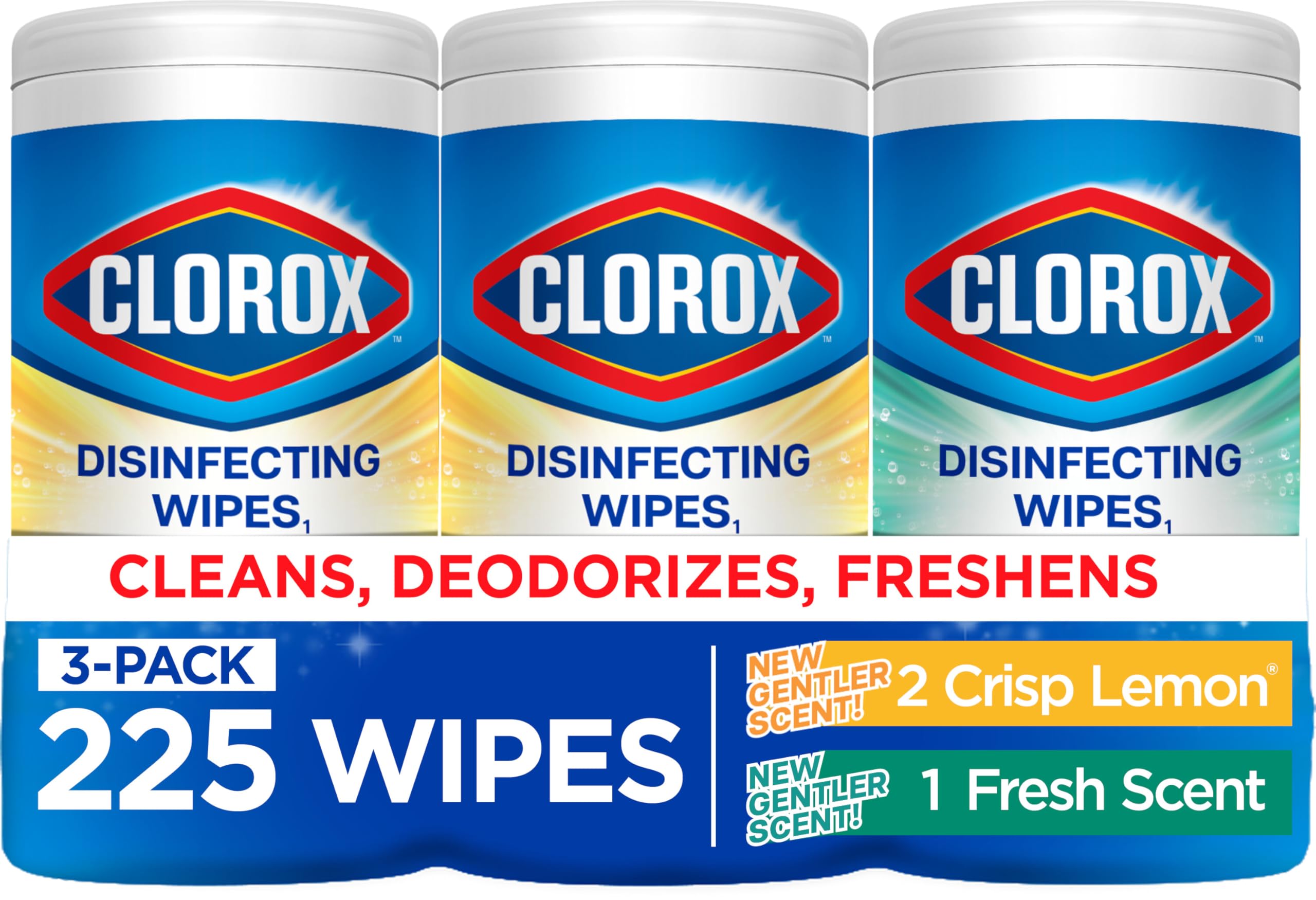
- Cleaning Wipes: While not always refillable in the traditional sense, concentrated cleaning solutions that you mix with water can offer significant savings over pre-moistened wipes. Check out our analysis on products like Clorox Disinfecting WipesAmazon →.
- Printer Ink: This is a notorious area for price gouging. We highlight when ink cartridge prices spike and explore cost-effective alternatives.
- Pet Food: While not a “refill” in the liquid sense, bulk purchasing and store-brand alternatives can mirror the savings principle.
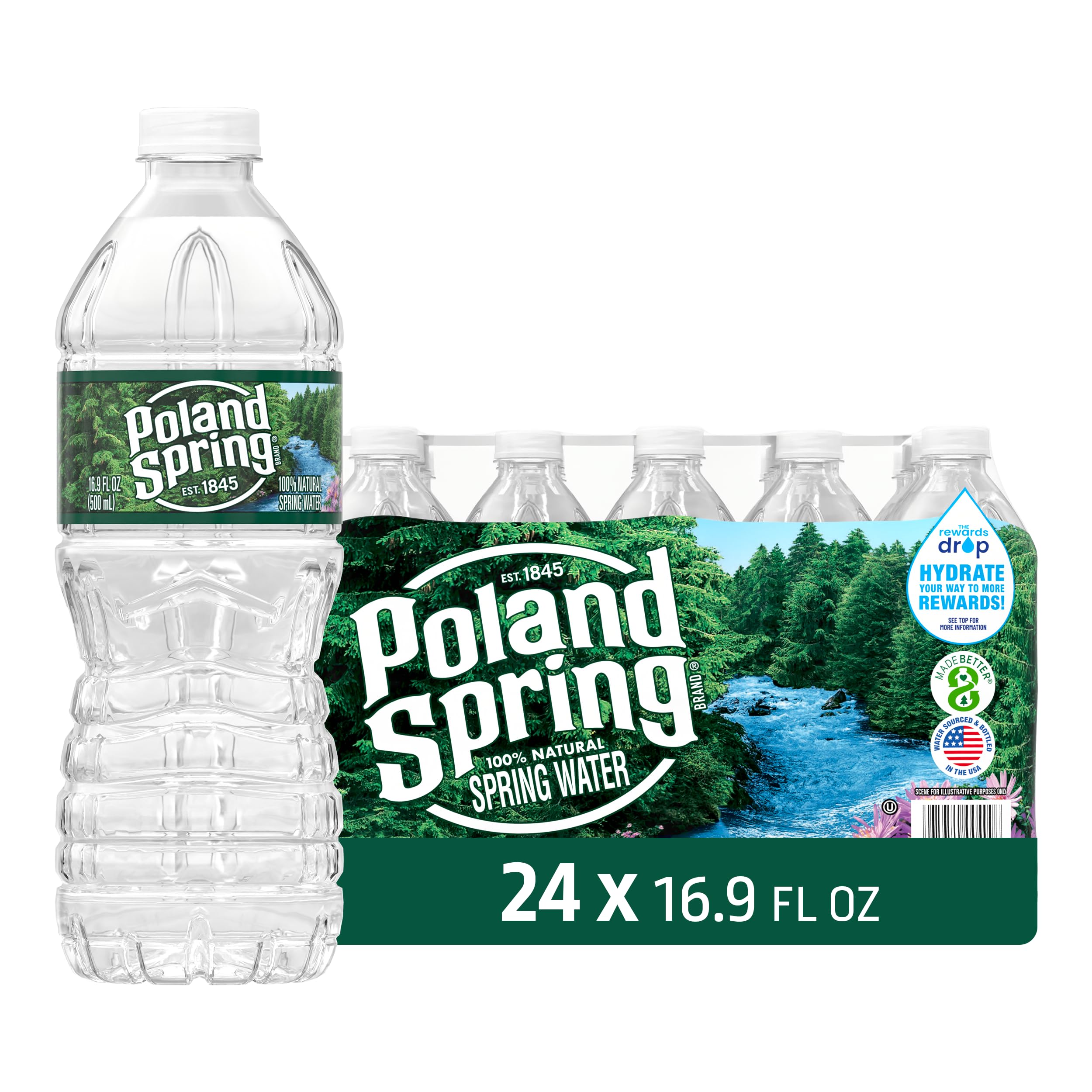
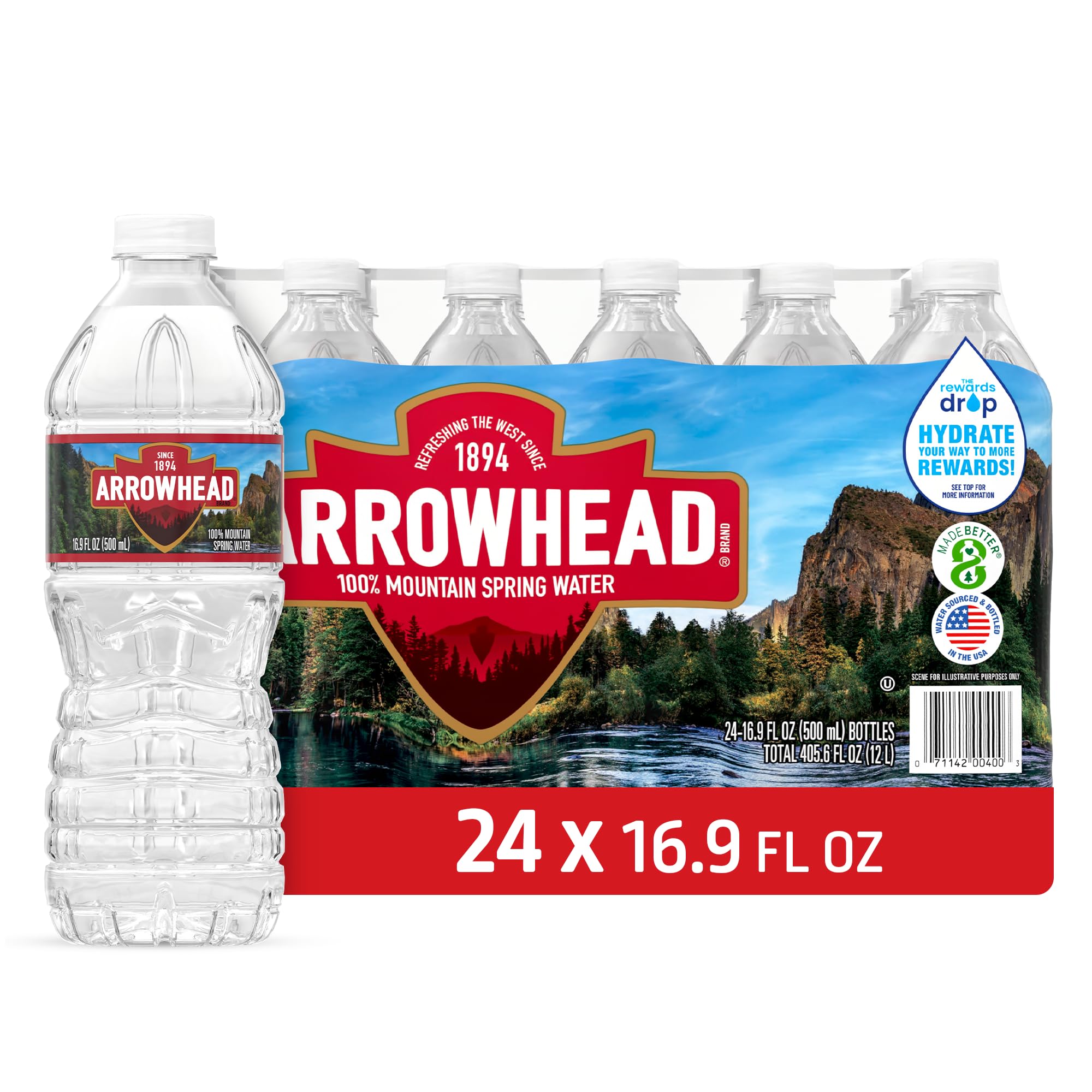
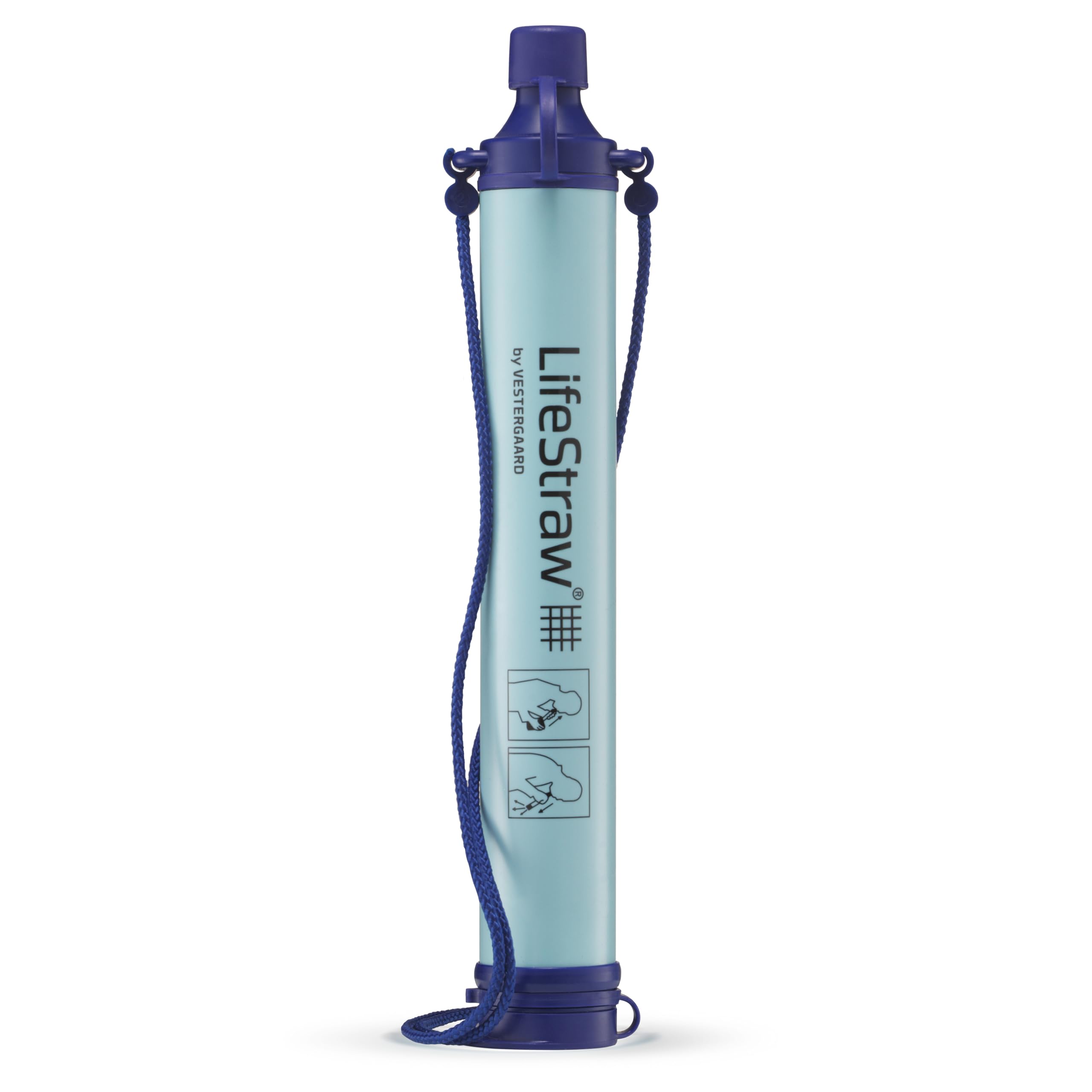
- Water Bottles: The debate between reusable bottles and disposable cases is a classic example of long-term savings. We’ve analyzed options like Poland Spring water [/products/b00061capg-poland-spring-maine-spring-water-bottles-24-pack-crisp-still/], Crystal Geyser [/products/b000r2z682-crystal-geyser-alpine-spring-water-128-fl-oz/], and Arrowhead [/products/b000r5nrpi-arrowhead-mountain-spring-water-bottles-24-pack-still-bottle/], as well as the benefits of reusable options like the Lifestraw [/products/b006qf3tw4-lifestraw-personal-water-purifier-for-hiking-camping-travel/].
Smarter Swaps and Sustainable Choices
Our goal isn’t just to save you money, but also to empower you to make more sustainable choices. By opting for refills, you significantly reduce plastic waste. A single refill pouch often uses a fraction of the plastic required for a full bottle, and over time, the environmental impact is considerable. We also look for innovative products that embrace a refillable model, like reusable food wrap dispensers [/products/b00gb95p54-chicwrap-veggies-refillable-plastic-wrap-dispenser-includes/].
How RefillWatch Empowers Your Wallet
At RefillWatch, we believe that consumers deserve transparency and control over their spending. The constant battle against subtle price increases and the push towards disposable products can be exhausting. We’re here to do the heavy lifting.
Our Methodology: Data-Driven Insights
We don’t rely on guesswork. Our team meticulously collects pricing data from major retailers, tracking changes over time. We analyze unit prices, volumes, and the cost of both new products and their refill alternatives. This allows us to identify trends, pinpoint price hikes, and calculate the genuine savings offered by refill options.
Naming the Hike, Naming the Alternative
When we identify a price increase or a significant difference in unit cost, we don’t just report it; we name it. We’ll tell you which product is costing you more and by how much. Crucially, we then provide actionable recommendations. This might mean pointing you to a specific refill pouch, suggesting a comparable but more affordably priced brand, or highlighting a reusable alternative that offers long-term savings. For instance, when looking at printer paper, we’ve compared options like HP [/products/b000099o2w-hp-paper-printer-8-5-x-11-paper-premium-32-lb-1-ream-500-she/] and Hammermill [/products/b00ocr0a4i-hammermill-printer-paper-premium-inkjet-laser-paper-24-lb-8/].
Independent and Unbiased
It’s vital to understand that RefillWatch is an independent watchdog. We do not accept sponsorships from retailers or manufacturers. Our only allegiance is to you, the consumer. This independence allows us to provide unbiased, trustworthy information that you can rely on to make informed purchasing decisions.
By staying vigilant and understanding the true cost per ounce, you can significantly reduce your household expenses and contribute to a more sustainable future. Let RefillWatch be your guide in navigating the often-confusing world of consumer pricing.
Featured in this article
Shop the picks mentioned above
We earn a small commission if you buy through these links, at no extra cost to you.