Is Generic Toothpaste Just as Good? A Cost & Ingredients Comparison

By Dana Wolff · Editor, RefillWatch
Published May 28, 2026
RefillWatch is reader-supported. When you buy through links on our site, we may earn an affiliate commission. This helps us keep tracking those sneaky price changes!
Are you staring down the toothpaste aisle, wondering if the fancy name-brand tube is really worth the extra cost? Or if the generic version will leave you with a less-than-sparkling smile? You’re not alone. The choice between generic vs name brand toothpaste is a common budget battle. We break down the active ingredients, compare prices, and help you decide if the savings are worth it.
The Active Ingredient Showdown: Fluoride is Key
The most important ingredient in most toothpastes is fluoride. It’s the workhorse that strengthens enamel and fights cavities. Both name-brand and generic toothpastes typically contain fluoride, usually in the form of sodium fluoride or stannous fluoride. The FDA regulates the amount of fluoride allowed in over-the-counter toothpaste, so you can be confident that both options will contain a safe and effective amount, usually around 0.24% (or 1,100 ppm).
Checking the Label: What to Look For
Don’t just grab the cheapest tube! Take a moment to compare the “Drug Facts” label on the back of both the name-brand and generic options. Here’s what to look for:
- Active Ingredient: Make sure fluoride is listed as the active ingredient.
- Fluoride Concentration: Check that the concentration is around 0.24% sodium fluoride (or equivalent).
- Inactive Ingredients: These vary more widely. Look for potential allergens or ingredients you might want to avoid (like artificial sweeteners or dyes).
If both toothpastes have the same active ingredient and concentration, the primary cavity-fighting benefit will be similar.
Special Needs Toothpastes: When to Splurge
While basic fluoride toothpaste is often comparable, some situations warrant a name-brand or specifically formulated product. Consider these scenarios:
- Sensitivity: If you have sensitive teeth, look for toothpastes containing potassium nitrate or stannous fluoride. These ingredients help block pain signals. Name brands often have more specialized formulations and may be worth the extra cost if you experience significant sensitivity.
- Whitening: Whitening toothpastes often contain abrasive ingredients or chemicals like hydrogen peroxide to remove surface stains. While generic whitening toothpastes exist, name brands may have more effective formulations. However, be mindful of excessive abrasiveness, which can damage enamel.
- Tartar Control: Tartar control toothpastes contain ingredients like pyrophosphates or zinc citrate to prevent tartar buildup. Again, name brands often invest more in research and development, potentially leading to more effective formulations.
- Prescription Strength: If your dentist recommends a prescription-strength fluoride toothpaste (usually containing a higher concentration of fluoride than over-the-counter options), you’ll need a prescription regardless of the brand.
Price Comparison: Name Brand vs. Generic
This is where the rubber meets the road. The price difference between name-brand and generic toothpaste can be significant. To get a true comparison, calculate the unit price (price per ounce or gram).
Real-World Examples (Prices as of October 2024)
Let’s look at some examples. Prices can vary widely depending on the store and any ongoing promotions, so these are just snapshots:
- Colgate Total: 4.8 oz tube, $4.99 = $1.04 per ounce
- Crest Pro-Health: 4.6 oz tube, $5.49 = $1.19 per ounce
- Generic Fluoride Toothpaste (Store Brand): 6.0 oz tube, $2.99 = $0.50 per ounce
As you can see, the generic option can be significantly cheaper – in this case, roughly half the price. Over time, these savings can add up.
Calculating Your Potential Savings
Let’s say you use one 4.5-5 oz tube of toothpaste per month. Switching from a name-brand toothpaste costing $1.10 per ounce to a generic costing $0.50 per ounce would save you:
- ($1.10 - $0.50) x 4.5 oz = $2.70 per month
- $2.70 x 12 months = $32.40 per year
That $32.40 could go towards other household essentials, like HP printer paperAmazon →.
Beware of Shrinkflation in Toothpaste
Keep an eye on the size of the tube! Some manufacturers are using “shrinkflation” tactics, reducing the amount of toothpaste in the tube while keeping the price the same (or even increasing it). Always check the net weight or volume on the label and calculate the unit price to ensure you’re getting the best deal. RefillWatch keeps an eye on these changes in many everyday products.
Beyond Price: Other Factors to Consider
While price is a major factor, consider these additional points before making your decision:
Taste and Texture Preferences
Taste and texture are subjective. Some people prefer the minty flavor of certain name brands, while others find them too strong. Similarly, some prefer a smoother texture, while others like a slightly gritty feel.
- Trial and Error: If you’re unsure, buy a small tube of the generic option to try it out.
- Read Reviews: Online reviews can provide insights into the taste and texture of different toothpastes.
Brand Loyalty and Ethical Considerations
Some people have strong brand loyalty. They trust a particular brand and are willing to pay a premium for it. Others may prefer to support companies with specific ethical or environmental practices.
- Research Company Values: If ethical considerations are important to you, research the company’s environmental and social impact.
- Look for Certifications: Look for certifications like “Leaping Bunny” (cruelty-free) or “B Corp” (social and environmental responsibility).
Dentist Recommendations
Your dentist is a valuable resource. Ask them for recommendations based on your specific oral health needs. They may have a preference for a particular brand or type of toothpaste, especially if you have specific concerns like gum disease or enamel erosion.
Making the Switch: A Step-by-Step Guide
Ready to try generic toothpaste? Here’s a simple strategy to implement the change:
- Check Active Ingredients: Ensure the generic option contains fluoride at the recommended concentration.
- Calculate Unit Price: Compare the price per ounce or gram to your current toothpaste.
- Read Reviews: See what other users say about the taste, texture, and effectiveness of the generic option.
- Buy a Small Tube: Start with a small tube to test it out.
- Monitor Your Oral Health: Pay attention to any changes in your oral health (e.g., increased sensitivity, bleeding gums). If you experience any problems, consult your dentist.
- Adjust as Needed: If you don’t like the generic option, try a different brand or formulation.
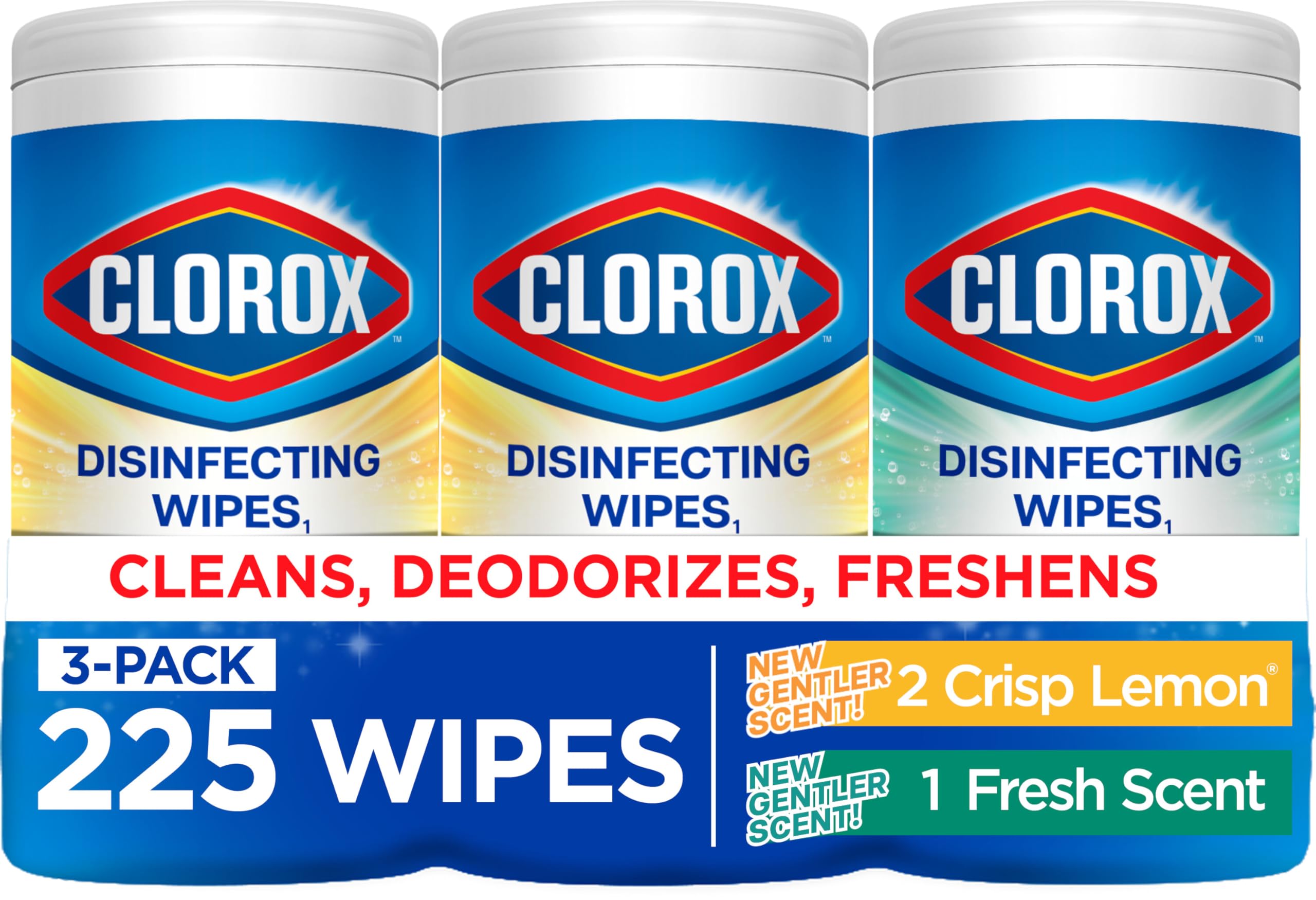
Switching to generic toothpaste can be a simple way to save money without sacrificing your oral health. By comparing active ingredients, calculating unit prices, and considering your personal preferences, you can make an informed decision that’s right for your wallet and your smile. And if you find great savings, maybe you can splurge a little on some Clorox disinfecting wipesAmazon →.
Featured in this article
Shop the picks mentioned above
We earn a small commission if you buy through these links, at no extra cost to you.