
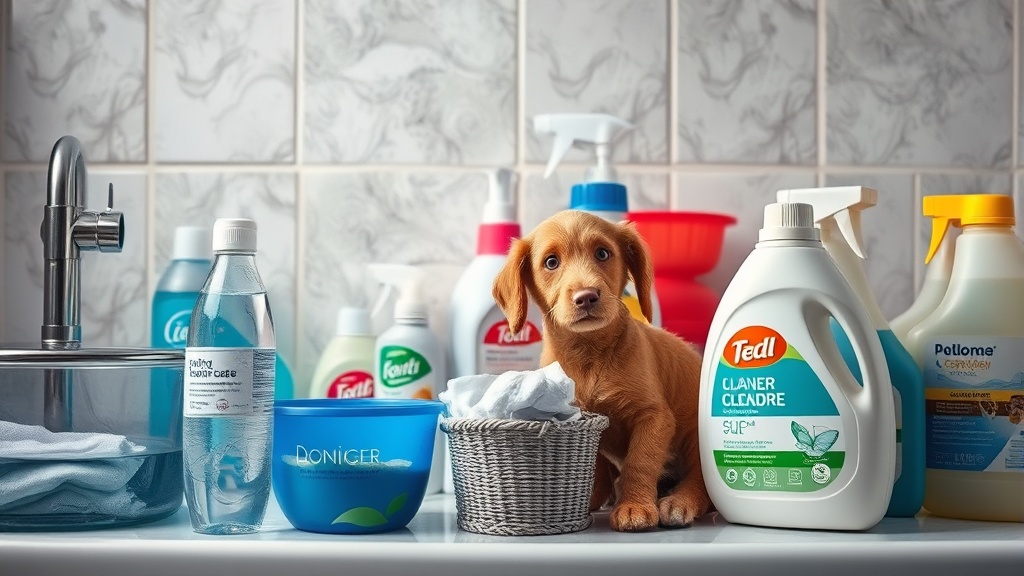
Eco-friendly concentrates are gaining traction among households seeking to cut single-use plastic and minimize household product waste. Many consumers face the frustration of bulky packaging cluttering their storage spaces while contributing to landfill overflow. Traditional full-strength detergents, cleaners, and personal care products usually come in large plastic bottles—often only partially used before disposal. Concentrates offer a practical, waste-reducing alternative that saves space and packaging, but not all concentrates are created equal. This article breaks down what eco-friendly concentrates are, how they reduce waste and plastic use, what to look for when choosing them, and key considerations around their environmental impact and cost-effectiveness.
What Are Eco-Friendly Concentrates?
Eco-friendly concentrates are liquid, powder, or gel household products designed to be diluted with water before use. Unlike standard retail bottles that come pre-diluted and ready-to-use, concentrates contain a higher concentration of active ingredients in a smaller volume. This reduces the size and weight of the packaging required, often allowing for minimal plastic use or even refill pouches.
Common eco-friendly concentrates include laundry detergents, dish soaps, all-purpose cleaners, and personal care items like shampoo or body wash. By purchasing concentrated formulas, consumers use less packaging and ship less water, significantly lowering environmental impact.
See also: Top Refillable Household Products That Slash Single-Use Plastic Waste
How Eco-Friendly Concentrates Save Space and Reduce Plastic Packaging
Phone cases · 15% off first order
Galaxy Case Co.Built for Galaxy. Ready for impact. Code FIRST15GAL-
Smaller Packaging Footprint
Concentrates typically come in bottles or pouches that are 3 to 10 times smaller than their ready-to-use counterparts. A 16 oz concentrated bottle can make the equivalent of a 48-160 oz standard bottle after dilution. This leads to less plastic discarded per use and less warehouse and shelf space needed during shipping. -
Less Frequent Replacement Purchases
Because concentrates provide more uses per container, you replace bottles less often. Fewer bottles entering recycling streams or landfill means reduced plastic pollution. -
Encouragement of Refill and Bulk Buying
Concentrated products often come with refill pouches or options for bulk refilling that use significantly less packaging material compared to single-use bottles. -
Lower Transport Emissions
Shipping concentrated products reduces weight and volume in transport, which lowers the carbon footprint associated with logistics.
Concentration Ratios and Why They Matter
The concentration ratio is the measure of how much active ingredient is packed into the concentrate versus the ready-to-use version. For example, a 10:1 concentrate means one ounce of concentrate produces 10 ounces of ready-to-use product after dilution.
Higher concentration ratios generally mean larger environmental savings on packaging and transport. However, very high concentration may complicate dosage accuracy or require measuring tools, which can deter some users.
Cost Comparison: Concentrates vs Bottled Products
Phone cases · 15% off first order
Phone Case GiftFun finds for every vibe. Code FIRST15GIFTWhile concentrations sound cost-effective, price per use depends on dosage accuracy and cost per unit of concentrate. Here’s a simplified cost comparison:
| Feature | Concentrate (Diluted) | Ready-to-Use Bottled |
|---|---|---|
| Packaging volume | 1/3 to 1/10 of bottle size | Larger bottles, more plastic use |
| Plastic waste per use | Significantly less | Higher plastic waste per use |
| Upfront cost | Sometimes higher per ounce | Usually lower upfront cost per bottle |
| Cost per use | Usually lower if measured correctly | Fixed per bottle, may be higher long-term |
| Space for storage | Less shelf and storage space required | More bulky, take up more room |
| Ease of use | Requires measuring and dilution steps | Ready to use—no prep needed |
Concentrates tend to be more economical in the long run but require attention to dosing, which some users find inconvenient.
Ingredient Transparency and Environmental Impact
Choosing truly eco-friendly concentrates depends on more than packaging size and concentration ratio. Ingredient transparency matters—look for:
- Biodegradable Surfactants and Enzymes: These break down easily and reduce water pollution.
- Non-Toxic Ingredients: Avoid harmful chemicals like sulfates, phthalates, or synthetic fragrances that pose health risks or environmental persistence.
- Minimal or Compostable Packaging: Some pouches or bottles use plant-based plastics or are recyclable curbside.
Review the ingredient lists openly or check for third-party certifications to ensure the concentrate aligns with your household’s environmental goals.
When to Use Eco-Friendly Concentrates
Phone cases · 15% off first order
Phone Cases For AllCases that match your energy. Code FIRST15ALLEco-friendly concentrates make the most sense for households with:
- Limited storage space seeking to declutter.
- Commitment to reducing plastic waste and carbon footprint.
- Willingness to measure or dilute products themselves.
- Desire to buy in bulk or use refill pouches to decrease waste.
- Interest in cost savings over time despite a higher upfront price.
Large families or users of multiple cleaning products may especially benefit from concentrates’ efficiency and space saving.
Common Pitfalls and How to Avoid Them
- Over or Under-Dosing: Dosing too little can waste product and reduce cleaning effectiveness. Too much may cause waste or residue buildup. Use measuring caps or pre-marked diluters.
- Confusing Concentrate Instructions: Always read manufacturer instructions carefully; some concentrates require specific dilution ratios for different tasks.
- Assuming All ‘Refillable’ Claims Equal Waste Reduction: Some refill pouches still contain plastic and may not be recyclable locally. Confirm packaging recyclability.
- Ingredient Greenwashing: Some concentrates boast “natural” or “eco-friendly” labels without verifying ingredients. Research ingredient transparency before purchase.
- Unstable Formulations: Some highly concentrated products can degrade or separate during storage if kept too long or in heat.
Summary Table: Choosing the Right Concentrate for Household Use
| Criterion | What to Check | Benefits | Potential Challenges |
|---|---|---|---|
| Concentration ratio | 5:1 to 10:1 preferred | Saves packaging, transport, storage | Requires dilution accuracy |
| Packaging material | Recyclable, compostable, or reusable | Reduces plastic waste | Not all pouches recyclable |
| Ingredient safety | Biodegradable, non-toxic, transparent | Healthier, less pollution | Some eco-labels are not verified |
| Cost per use | Calculate by dilution and price | Often cheaper long-term | Higher upfront price than ready-bottles |
| Ease of use | Clear measuring instructions, dosing tools | Avoids dosing errors | May be inconvenient for some users |
| Availability | Widely available in refillable form | Easier refill and reduced waste | Limited variety in some regions |
Top Picks



Watchdog picks
- B07P5BNQJGCheck on Amazon → ·
- B08PDHVZ4NCheck on Amazon → ·
- Downy Fabric Softener Dryer Sheets, April Fresh, 120 CountCheck on Amazon → ·
- ESTROGEN - METHYLTESTOSTERONE 0.625 MG - 1.25 MG TABCheck on Amazon → ·
- B01N4QAK9OCheck on Amazon → ·
- B000NL0T1KCheck on Amazon → ·
- LEVOIT Air Purifier for Home Allergies Pet Hair in Bedroom, Covers Up to 1073 ftCheck on Amazon → ·
- HQ Replacement Soldering Iron For Hakko FX-8801 FX-888D StationCheck on Amazon → ·