DIY Cleaning Solutions for Hardwood Floors: Recipes & Real Cost Savings

By Dana Wolff · Editor, RefillWatch
Published May 28, 2026
RefillWatch is reader-supported. When you buy through links on our site, we may earn an affiliate commission, without adding cost to you. We independently research and flag price changes in household staples to help you make informed shopping decisions.
DIY Cleaning Solutions for Hardwood Floors: Recipes & Real Cost Savings
Hardwood floors add warmth and elegance to any home. But keeping them clean without breaking the bank on expensive, specialized cleaners can be a challenge. Store-bought hardwood floor cleaners often come with a premium price tag, and the ingredients list can be concerning for those seeking more natural options. The good news? You can create effective diy hardwood floor cleaner solutions using ingredients you likely already have in your pantry. Not only can you save money, but you’ll also know exactly what’s going onto your floors. Let’s explore some proven recipes and compare their cost-effectiveness against commercial alternatives.
The Allure (and Cost) of Commercial Hardwood Floor Cleaners
Walk down the cleaning aisle, and you’ll be bombarded with options boasting streak-free shines and deep cleaning power. Brands like Bona, Method, and Murphy’s Oil Soap are popular choices, but their prices can add up. A typical 32-ounce bottle of hardwood floor cleaner can range from $5 to $10, and if you clean your floors regularly, those costs quickly accumulate. Plus, many commercial cleaners contain harsh chemicals, artificial fragrances, and dyes that some homeowners prefer to avoid.
The DIY Advantage: Cost, Control, and Eco-Friendliness
Making your own hardwood floor cleaner offers several advantages:
- Cost Savings: The ingredients are typically inexpensive and readily available.
- Ingredient Control: You know exactly what’s going on your floors, avoiding potentially harmful chemicals.
- Eco-Friendliness: Reduced plastic waste from single-use bottles and less chemical runoff into the environment.
- Customization: Adapt recipes to your specific needs and preferences (e.g., scent).
Proven DIY Hardwood Floor Cleaner Recipes
Here are a few tried-and-true recipes for safe and effective hardwood floor cleaning, along with a cost breakdown for each.
Recipe 1: Vinegar and Water Solution
This is the simplest and most widely recommended DIY hardwood floor cleaner.
-
Ingredients:
- 1/2 cup white vinegar
- 1 gallon warm water
-
Instructions:
- Mix the vinegar and water in a bucket.
- Dampen a microfiber mop or cloth with the solution (wringing out excess water to avoid soaking the floor).
- Mop the floor in the direction of the wood grain.
- Rinse the mop or cloth frequently with clean water.
- Allow the floor to air dry.
-
Cost Breakdown:
- White vinegar: A gallon of white vinegar typically costs around $3.00. Using 1/2 cup per gallon of water means each cleaning solution costs about $0.09 for the vinegar.
- Water: Negligible cost.
Total cost per gallon of cleaning solution: Approximately $0.09
Recipe 2: Castile Soap and Water Solution
Castile soap is a gentle, plant-based soap that’s safe for hardwood floors.
-
Ingredients:
- 1/4 cup liquid castile soap (unscented)
- 1 gallon warm water
-
Instructions:
- Mix the castile soap and water in a bucket.
- Dampen a microfiber mop or cloth with the solution (wringing out excess water).
- Mop the floor in the direction of the wood grain.
- Rinse the mop or cloth frequently with clean water.
- Allow the floor to air dry.
-
Cost Breakdown:
- Liquid castile soap: A 32-ounce bottle of castile soap costs around $15.00. Using 1/4 cup (2 ounces) per gallon means each cleaning solution costs about $0.94 for the soap.
- Water: Negligible cost.
Total cost per gallon of cleaning solution: Approximately $0.94
Recipe 3: Vinegar, Water, and Essential Oil Solution
This recipe adds a pleasant scent to your cleaning routine.
-
Ingredients:
- 1/2 cup white vinegar
- 1 gallon warm water
- 10-15 drops of your favorite essential oil (lemon, lavender, or tea tree oil work well)
-
Instructions:
- Mix the vinegar, water, and essential oil in a bucket.
- Dampen a microfiber mop or cloth with the solution (wringing out excess water).
- Mop the floor in the direction of the wood grain.
- Rinse the mop or cloth frequently with clean water.
- Allow the floor to air dry.
-
Cost Breakdown:
- White vinegar: $0.09 (as calculated above)
- Essential oil: A 1-ounce bottle of essential oil costs around $8.00. Using 10-15 drops (approximately 0.08 ounces) per gallon means each cleaning solution costs about $0.64 for the essential oil.
- Water: Negligible cost.
Total cost per gallon of cleaning solution: Approximately $0.73
Cost Comparison: DIY vs. Commercial Cleaners
Let’s compare the cost of these DIY solutions to a popular commercial hardwood floor cleaner, like Bona.
- Bona Hardwood Floor Cleaner (32 oz): $7.00 (approximately $0.22 per ounce, or $28.16 per gallon equivalent)
- DIY Vinegar and Water: $0.09 per gallon
- DIY Castile Soap and Water: $0.94 per gallon
- DIY Vinegar, Water, and Essential Oil: $0.73 per gallon
As you can see, the DIY options are significantly cheaper than commercial cleaners. The vinegar and water solution, in particular, offers incredible savings. Even the castile soap and essential oil recipes are far more affordable.
Best Practices for Cleaning Hardwood Floors
Regardless of whether you use a DIY or commercial cleaner, following these best practices will help protect your hardwood floors and keep them looking their best.
Avoid Over-Wetting
Water is the enemy of hardwood floors. Excess moisture can seep into the wood, causing it to warp, swell, or even develop mold. Always wring out your mop or cloth thoroughly before applying it to the floor. A damp mop is sufficient; a soaking wet mop is a recipe for disaster.
Use Microfiber Mops and Cloths
Microfiber is excellent at trapping dirt and grime without scratching the floor. It’s also highly absorbent, helping to minimize the amount of water used during cleaning. Avoid using abrasive scrub brushes or steel wool, as these can damage the finish. Consider reusable options like [Reusable Paper Towels: Realistic Savings Without Adding Laundry Burden].
Test in an Inconspicuous Area
Before applying any cleaner to your entire floor, test it in a small, hidden area to ensure it doesn’t damage the finish. This is especially important for older floors or those with unknown finishes.
Vacuum or Sweep Regularly
Regularly removing loose dirt and debris will prevent scratches and wear on your hardwood floors. Vacuuming or sweeping at least once a week is recommended.
Address Spills Immediately
Wipe up spills as soon as they occur to prevent staining or water damage. Use a clean, dry cloth to absorb the liquid.
Understanding Hard Water Impacts
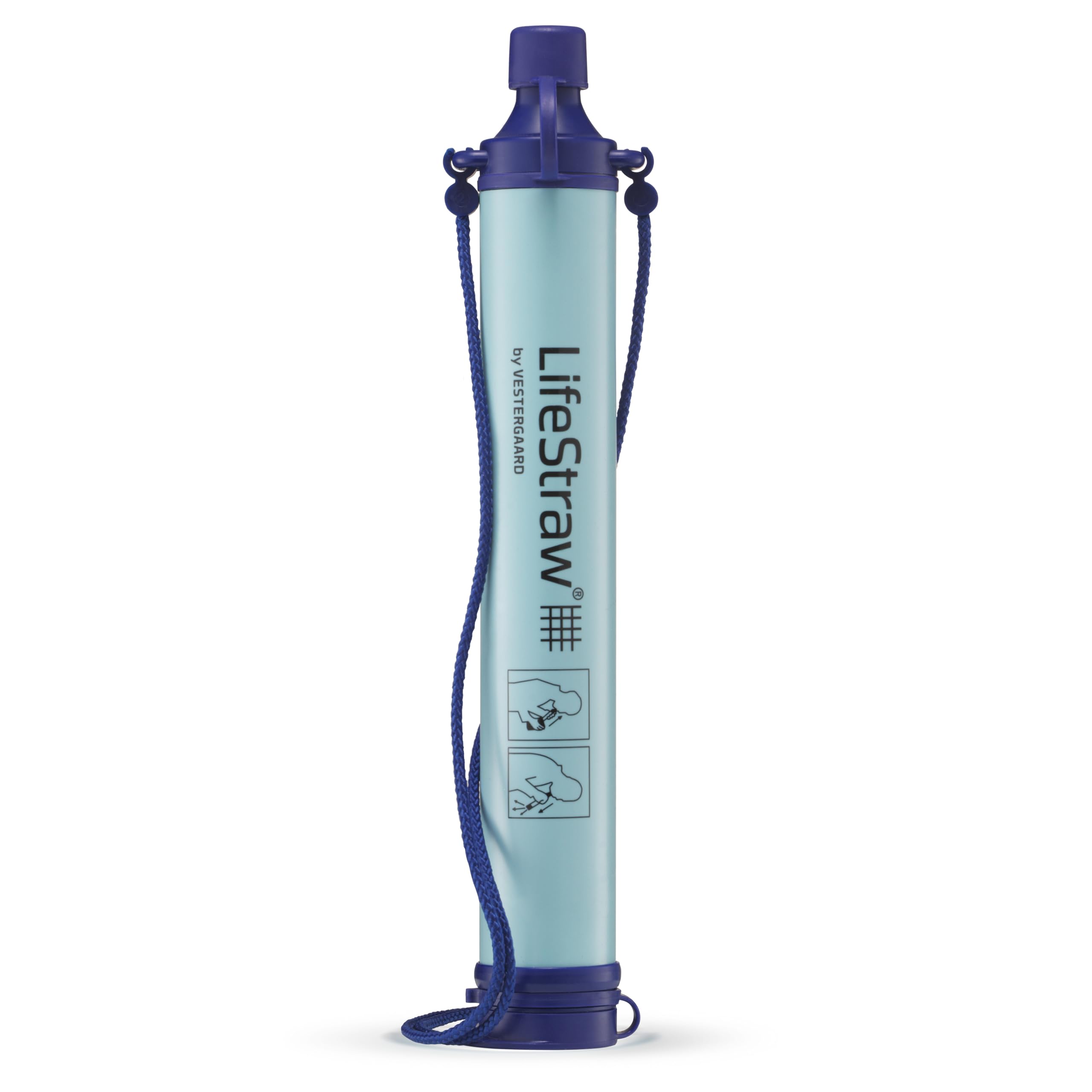
Hard water can leave streaks and mineral deposits on hardwood floors, especially when using vinegar-based cleaners. If you have hard water, consider using distilled water in your DIY cleaning solutions. You could even consider using a LifeStraw Personal Water Purifier for Hiking, Camping, TravelAmazon → to remove impurities from tap water.
When to Avoid DIY Cleaners
While DIY hardwood floor cleaners are generally safe and effective, there are certain situations where they may not be the best choice:
- Floors with Wax Finishes: Vinegar can strip away wax finishes, so avoid using it on these types of floors.
- Floors with Unknown Finishes: If you’re unsure what type of finish your floor has, consult a professional before using any cleaner.
- Extremely Dirty Floors: For heavily soiled floors, a commercial cleaner may be necessary to remove stubborn stains and grime.
- Manufacturer Recommendations: Always check your flooring manufacturer’s recommendations for cleaning products. Using unauthorized cleaners could void your warranty.
Final Thoughts: Smart Cleaning, Smart Savings
Creating your own diy hardwood floor cleaner is a simple and effective way to save money, reduce chemical exposure, and protect the environment. By following these recipes and best practices, you can keep your hardwood floors looking beautiful for years to come without breaking the bank. Remember to always test in an inconspicuous area first and to avoid over-wetting the floor. Happy cleaning!
Featured in this article
Shop the picks mentioned above
We earn a small commission if you buy through these links, at no extra cost to you.